

 Loan Officer
 Gustan Cho
Loan OfficerForum Discussions Started
-
All Discussions
-
In this thread we will cover a comprehensive guide to homebuyers in Maryland. How to go about buying your first home in Maryland, down payment assistance programs, FHA, VA, USDA, Conventional loans, jumbo, and non-QM loans. Advice and tips on getting the lowest rates and lowest closing costs. How much of a house should I buy? What are the eligibility requirements for me to buy a house in Maryland. And all the things I need to know when buying a house in Maryland.
Comprehensive Guide to Buying Your First Home in Maryland
Buying your first home in Maryland is an exciting milestone that requires careful planning and preparation. This comprehensive guide will walk you through everything you need to know about purchasing your first home in the Old Line State, from understanding different loan options to securing down payment assistance and finding the best rates. Whether you’re navigating the competitive markets near Baltimore or Washington D.C., or exploring more affordable areas in Western Maryland or the Eastern Shore, this guide will help you make informed decisions throughout your homebuying journey.
Understanding Maryland’s Housing Market
Maryland offers diverse housing options with varying price points across its 23 counties and Baltimore City. The median home price in Maryland is approximately $485,000, though this varies significantly by region. Areas closer to Washington D.C. and Baltimore typically command higher prices, while more rural counties offer more affordable options. Understanding these regional differences will help you set realistic expectations for your homebuying budget and identify areas that align with your financial situation.
Maryland Mortgage Loan OptionsFHA Loans in Maryland
Federal Housing Administration (FHA) loans provide an excellent entry point for many Maryland first-time homebuyers. These government-backed mortgages require just 3.5% down with a minimum credit score of 580, making them more accessible than conventional loans. FHA loans are particularly attractive to buyers with limited savings or those working to improve their credit scores. However, borrowers should be aware that FHA loans require mortgage insurance premiums (MIP) for the life of the loan unless refinanced to a conventional loan later.
VA Loans for Maryland Veterans
For eligible veterans, active-duty service members, and surviving spouses, VA loans represent one of the most advantageous mortgage options in Maryland. These loans typically require no down payment and feature competitive interest rates without monthly mortgage insurance requirements. VA loans can be combined with Maryland’s assistance programs to further reduce out-of-pocket costs, making homeownership more accessible for those who have served our country.
USDA Rural Development Loans
Maryland homebuyers in designated rural areas may qualify for USDA loans, which offer 100% financing with no down payment required. These loans are designed to promote homeownership in less populated areas and feature income restrictions based on location and household size. Many Maryland counties have eligible areas for USDA financing, particularly in more rural parts of the state.
Conventional Mortgages in Maryland
Conventional loans, including Fannie Mae’s Conventional 97 program, require just 3% down with a minimum credit score of 620. These loans are not government-insured but often appeal to borrowers with stronger credit profiles. While conventional loans may have slightly higher interest rates than government-backed options, private mortgage insurance can typically be cancelled once 20% equity is achieved, potentially saving money over the life of the loan.
Jumbo and Non-QM Loans
For borrowers purchasing higher-priced homes or those with unique financial situations, Maryland lenders offer jumbo and Non-Qualified Mortgage (Non-QM) options. These products provide flexibility for self-employed individuals, real estate investors, or those purchasing homes exceeding conventional loan limits. Jumbo loans typically require larger down payments and higher credit scores due to the increased lending risk.
Maryland First-Time Homebuyer ProgramsThe Maryland Mortgage Program (MMP)
The Maryland Mortgage Program serves as the state’s flagship initiative for first-time homebuyers, offering competitive 30-year fixed-rate mortgages with down payment assistance. MMP provides both government-insured loans (FHA, VA, USDA) and conventional options, with eligibility requirements including:
- Minimum credit score of 640 for most loan options
- Income limits based on household size and county
- Completion of a homebuyer education course
The program’s 1st Time Advantage products offer the lowest interest rates available, while Flex products provide additional flexibility for borrowers who may not qualify for standard programs.
Down Payment Assistance Programs
Maryland offers numerous down payment assistance (DPA) programs to help bridge the gap between savings and homeownership costs:
- The MMP Down Payment Assistance program, providing up to $5,000 in zero-interest deferred loans
- The HomeAbility program for buyers with disabilities, offering a secondary loan covering up to 25% of the purchase price
- County-specific programs like Prince George’s County’s Pathway to Purchase offering up to $10,000
- Baltimore’s Live Near Your Work program providing $10,000 grants
Specialized Assistance Programs
Maryland offers targeted assistance for specific populations:
- Maryland SmartBuy helps homebuyers with eligible student debt by providing additional assistance
- The HomeAbility program assists buyers with disabilities through specialized loan products
- County-specific programs offering additional benefits for teachers, first responders, and other professions
Determining How Much House You Can Afford
Before beginning your home search, it’s essential to establish a realistic budget. Financial experts recommend that your total housing payment (including principal, interest, taxes, insurance, and any HOA fees) should not exceed 28-31% of your gross monthly income. Additionally, your total debt-to-income ratio (including all monthly debt payments) should ideally stay below 43% for most loan types.
Several online calculators can help you estimate your purchasing power, but working with a mortgage lender for pre-approval will give you the most accurate assessment of what you can afford. Remember that buying at the maximum of your budget doesn’t always leave room for unexpected expenses or future financial goals.
Eligibility Requirements for Buying a House in MarylandCredit Score Requirements
Credit score requirements vary by loan type:
- FHA loans: Minimum 580 (with 3.5% down) or 500 (with 10% down)
- Conventional loans: Minimum 620
- VA loans: No minimum set by VA, but most lenders require at least 620
- USDA loans: Typically 640 or higher
Higher credit scores generally qualify for better interest rates across all loan types. Before applying, check your credit report, dispute any errors, and focus on paying down existing debt to improve your debt-to-income ratio.
Income Requirements
Maryland mortgage programs have specific income limits based on household size and county. These limits ensure assistance programs target those with moderate incomes. For example, the Maryland Mortgage Program sets income limits that vary by county, with higher limits in more expensive areas.
Documentation Requirements
When applying for a mortgage in Maryland, you’ll typically need to provide:
- Proof of income (pay stubs, W-2s, tax returns)
- Bank statements and asset documentation
- Identification documents
- Rental history
- Information about any existing debts
Tips for Getting the Lowest Rates and Closing CostsImprove Your Financial Profile
Before applying for a mortgage, take steps to strengthen your financial position:
- Pay down existing debts to lower your debt-to-income ratio
- Avoid new credit applications or large purchases
- Save for a larger down payment if possible
- Work on improving your credit score
Compare Multiple Lenders
Maryland mortgage rates vary between lenders. Shopping around with different lenders, including those participating in the Maryland Mortgage Program, can help you find the most competitive rate for your situation. When comparing offers, look at both the interest rate and the annual percentage rate (APR), which includes lender fees.
Negotiate Closing Costs
Closing costs in Maryland typically range from 2-5% of the purchase price. You can potentially reduce these costs by:
- Asking the seller to contribute toward closing costs
- Shopping for lower-cost service providers for appraisals and inspections
- Negotiating lender fees
- Looking for no-closing-cost mortgage options (though these typically come with higher interest rates)
The Homebuying Process in MarylandPre-Approval and House Hunting
The first step in your homebuying journey is getting pre-approved for a mortgage. This involves submitting your financial documents to a lender who will determine how much you’re qualified to borrow. With pre-approval in hand, you can begin house hunting with confidence, knowing your budget and demonstrating to sellers that you’re a serious buyer.
Making an Offer and Negotiations
Once you find a home you love, your real estate agent will help you craft a competitive offer. In Maryland’s competitive market, you may need to consider strategies like:
- Offering above asking price in hot markets
- Including an escalation clause
- Minimizing contingencies while still protecting your interests
- Writing a personal letter to the seller
Home Inspection and Appraisal
After your offer is accepted, you’ll typically have a home inspection period to identify any potential issues with the property. The lender will also order an appraisal to ensure the home is worth the purchase price. If issues arise during either process, you may need to negotiate repairs or price adjustments with the seller.
Closing and Final Steps
The final step in your homebuying journey is the closing, where you’ll sign all necessary documents, pay your remaining closing costs and down payment, and receive the keys to your new home. Before closing, you’ll have a final walk-through to ensure the property is in the agreed-upon condition.
Maryland Homebuying FAQsWhat is the minimum down payment required for a Maryland mortgage?
The minimum down payment varies by loan type: 0% for VA and USDA loans (if eligible), 3% for conventional loans, and 3.5% for FHA loans. Down payment assistance programs can further reduce or eliminate this requirement.
What credit score do I need to buy a house in Maryland?
Credit score requirements vary: 580 for FHA loans, 620 for conventional loans, and 640 for most Maryland Mortgage Program options. VA and USDA loans have more flexible credit requirements but still consider credit history in approval decisions.
Can I get a mortgage in Maryland with no money down?
Yes, eligible borrowers can secure 100% financing through VA loans (for qualifying military members), USDA loans (for rural properties), or by combining FHA loans with down payment
-
This discussion was modified 1 month, 2 weeks ago by
 Sapna Sharma.

gcaforums.com
Bank Statement Loans For Self-Employed Borrowers
Bank Statement Loans does not require income tax returns. Income is calculated by averaging 23 months of bank statements.
-
This poet covers Mortgage Loan Officers seeking to get Real Estate Agent License to become a dually licensed MLO and REAL ESTATE AGENT. We will also cover how Loan Officers at NEXA MORTGAGE can become dually licensed MLO with NEXA MORTGAGE AND REAL ESTATE AGENT WITH AXEN REALTY.
-
NEXA Mortgage Compensation Plan For Branch Sponsored Mortgage Loan Originators, and Independent Loan Officers, Team Leaders, Independent Branch Managers, and Branches and Independent MLO OPERATING AS A DBA OF NEXA MORTGAGE
https://www.loanofficersupport.com/assets/NEXAOnboardingFlightPlan1.26.pdf
-
Anyone in the Rockford Illinois area needing a talented general home improvement expert with a proven track record contact Matt Krienke, owner, master renovation expert, general contractor, and hands on carpenter of Becky Vision Renovation and Construction.
608- 718-2929
Highly recommend and endorsed by Gustan Cho Associates and its Wholly-Owned Subsidiary Companies
https://www.beckysvisionremodelingandcontractingllc.com/
-
This discussion was modified 1 month, 2 weeks ago by
 Gustan Cho.

beckysvisionremodelingandcontractingllc.com
Vision Remodeling and Contracting
Vision Remodeling and Contracting
-
This discussion was modified 1 month, 2 weeks ago by
-
I am in charge of a regional mortgage branch office licensed in 48 states am have a licensed mortgage originator colleague who has a potential client who has an investor who owns a hotel/motel in Texas. My MLO colleague has a client who needs to do a rate and term refinance on a commercial loan. I am a licensed NMLS licensed mortgage loan originator and have owned, and managed 3,000 plus residential units consisting of free standing apartment buildings and seven apartment complexes and am familiar with originating mutli-family commercial loans. but not motels and/or hotels. My expertise on commercial loans are free standing apartment buildings and apartment complexes. My associate reached out to me for advise and guidance on him taking on financing this motel-hotel for this investor. Can you please guide and advise us on the steps on proceeding with this borrower? The investor/borrower will be getting multiple quotes from commercial lenders so me and my fellow loan officer would like to get the borrower the best rate and term and become the winning bid on this motel financing commercial loan. Can you guide us through a Step by step process starting on the documentation needed? I worked on my own commercial loans on the apartment buildings and apartment complexes that needed financing and the general docs commercial banks and brokers needed were the following:
Summary Statement of the history of the property owned including but n ot limited to the history of the property and scope of work such as the purchase price, loan-to-value, renovations completed and/or budget and capital required, type of loan requesting includoing recourse or non-recourse, personal financial statenent, schedule of real estate owned, profit and loss statement, nearby comparable sales, and any documentation or data supporting the strength and risk tolerance of the subject property. I am assuming motel-hotel financing probably requires similar data and documents. Again, if you can guide us through the comprehensive step of the commerical lending process from start to finish as well as commercial lenders that are broker friendly it would be greatly appreciated. Thank you in advance.
-
Current Stock Market Information for SPDR Dow Jones Industrial Average ETF (DIA)
- The SPDR Dow Jones Industrial Average ETF remains a favorite among U.S. investors, consistently capturing attention and fueling enthusiasm nationwide.
- The ETF is currently trading at $481.15, which is $0.65 higher than the previous close.
- The trading day began at $480.56, and with over 6.4 million shares changing hands, the market was abuzz with heightened activity.
- Throughout the session, prices swung between $482.75 and $479.31, reflecting a day marked by noticeable volatility.
- The final trade rang in at 3:55 PM PST on Friday, December 19, capping off a day of gains for U.S. stocks, thanks largely to robust performances in the technology sector.
- The Dow Jones Industrial Average closed at 43,246.65, up 86.31 points.
- The S&P 500 rose 0.7% to 6,140.74, while the Nasdaq gained 1.0% to 20,173.89.
- Shifts in the market were shaped by fresh inflation numbers, ongoing tariff negotiations, and a wave of company earnings, with Nike’s results making a particularly strong impression.
LIVE Rates: Treasuries + Mortgage RatesYields on Treasuries (as of the end of the trading day)
- 10 Treasury = 4.16% (closed)
- 2 Year Treasury = 3.48%
- 30 Year Treasury = 4.82% (closed)
Average Rates on Mortgages (as of today)
- Mortgage News Daily (as of today) 30 Year Fixed = 6.25% (as of 12/19/2025)
- Freddie Mac PMMS week prior to 12/18/25): 30-year.
- With mortgage and real estate rates trending downward, the housing market has sprung to life with renewed activity.
- Buyers are now finding themselves in the driver’s seat, often securing discounts or special incentives from eager sellers and builders.
Live Precious Metals Update: Gold is trading at $4,328.24 per ounce, dipping about 0.1% today.
- Spot silver is currently priced at $65.93 per ounce, up about 0.8% today.
- In the world of precious metals, easing inflation is fueling growth and sparking hopes for more favorable interest rates ahead.
- However, a stronger U.S. dollar is preventing gold prices from rising further.
Economy Watch:
Tariffs and state inflation credits are reshaping the marketplace, changing shopping habits and shifting the price tags on everyday goods.
As store shelves fill up and prices climb, consumers are tightening their wallets, financial leaders report.
Another report states that officials remain cautious about tariffs and anticipate the company will reveal $1.5 billion in new tariffs, a hit that could dent both its profits and its stock price. In the housing sector, rising tariff-related costs have prompted the Federal Reserve to tread carefully, slowing the decline in mortgage and other long-term interest rates. the long-term interest rates.
Circumstances of Policy
The White House disclosed an extension of particular Section 301 tariff exclusions (and associated trade actions) as part of a U.S.–China economic/trade package.
For an overview of 2025 tarifFor a summary of 2025 tariff actions and their status, CRS provides an ongoing update.et: This week, what changed
Existing Home Sales: A Small Improvement, Affordability. November saw existing-home sales tick up by 0.5% to an annualized pace of 4.13 million. The median price climbed to $409,200, outpacing last year’s mark. With 1.43 million homes on the market—a 4.2-month supply—the market is stabilizing. Still, steep interest rates and lofty prices remain hurdles for first-time buyers, who accounted for 30% of the sales in November. According to the National Association of Realtors.
The Mortgage Bankers Association (MBA) reported that mortgage applications declined by 3.8% for the week ending Dec. When rates hover between 6.2% and 6.4%, borrowers tend to act quickly, eager to lock in a deal. Usually move fast.
Lower rates make people more likely to refinance, while higher rates reduce demand.
Soaring prices and mounting costs are squeezing borrowers, making homeownership feel further out of reach.
It’s essential to continually review political and media reports to distinguish facts from speculation.
Erika Kirk and Vice President JD Vance, specifically concerning relationships and paternity, remain unsubstantiated despite mention by some credible sources.
No evidence has been presented to support the alleged affair.
Vance has addressed public discussion of his marriage, and both he and his wife have characterized the rumors as Social media claims about paternity and infidelity have not been verified and are not backed by major news outlets. These claims should be viewed as unconfirmed.
What happened with Erika Kirk and Candace Owens’ meeting (Monday, Dec. 15, 2025)?
Some sources suggest that Erika Kirk and Candace Owens met, possibly to discuss Owens’ criticisms. The meeting was reportedly focused on Owens’ public comments.
- Kirk mentioned Owens during AmericaFest, indicating a clear tension between them.
- Major news outlets have covered the scripts from the closed meeting, so any specific claims should be treated with caution.
Candace Owens’ criticism of Erika Kirk
Owens increased the backlash and controversy surrounding Sabina Kirk, exacerbating the public rivalry. Reuters reported that Bongino plans to resign because of disagreements and issues with FBI Director Christopher Wray, not with Kash Patel. Bongino reportedly wants to avoid a major conflict. Other reports on Facebook and from the Associated Press also stated that Bongino would resign due to disagreements with Patel. However, neither Reuters nor the Associated Press stated that FBI staff mocked Bongino or spoke negatively about him; those claims remain unproven rumors.
Kash Patel: There are rumors about Kash Patel, his girlfriend, and the use of a private jet and security detail. Here’s what has been confirmed: an FBI spokesperson said claims about a SWAT team as security are **false** and that only standard protective measures are used for leadership, not a SWAT team. A local Fox station reported that Patel denied any false claims about using jets or security. No reliable sources have confirmed any details about the ‘Utah tantrum’ or ‘missing FBI jacket’ stories. These should be considered unverified social media speculation until trustworthy reports confirm them. Mortgage rates and 10-year Treasury yields are staying about the same (mid-6% for mortgages, about 4.16% for the 10-year). It remains challenging for many people to afford a home. Home sales have increased slightly, but prices remain high, and the number of homes for sale is limited. Inflation has decreased, but it could remain high, depending on company profits and consumer spending trends. Kirk and JD Vance’s infidelity and paternity rumors have not been confirmed by major news sources. Kash Patel discussed Dan Bongino’s departure from the FBI, stating, “Kash Patel praises Dan Bongino, exiting the FBI.” This headline from Facebook’s Breaking News sums up the story.
-
Minnesota Mortgage and Homebuyers Guide
Minnesota Mortgage and Home Buying Guide
MORTGAGE OPTIONS AND HOME BUYING IN MINNESOTA
(GCA Forums • Geographical Section • Minnesota Category)
This guide covers how to buy a home in Minnesota, compares different loan options, and explains down payment assistance programs.
Table of Contents
- Minnesota Homebuying Checklist (fast path)
- Step-by-step homebuying process in Minnesota
- Mortgages in Minnesota (FHA, VA, USDA, Conventional, Jumbo, Non-QM)
- Minnesota Housing and Down Payment Assistance (Start Up / Step Up / First-Gen options)
- Credit flags, DTI, overlays, and score
- Property issues in Minnesota (rural homes, condos, lake homes)
- Tips for Getting Great Rates in Minnesota
- Frequently Asked Questions
Minnesota Homebuying Checklist (Fast Path)
Complete the following steps in sequence:
- Pull your credit and income documents (W-2s/1099s, pay stubs, bank statements, ID).
- Obtain full pre-approval, rather than only pre-qualification.
- Choose the right loan type for your needs, such as Conventional, FHA, VA, USDA, Jumbo, or Non-QM. If you need help, ask about Minnesota Housing Start Up or Step Up programs and check if you need to take a homebuyer education course.
- Look for homes with monthly payments you can afford, instead of just focusing on the highest loan amount you qualify for.
- Once you make an offer, you’ll go through inspection, appraisal, underwriting, final approval, and then closing.
2) How Buying a Home Works in Minnesota
Step 1: Get pre-approved. This is the most important first step.
Real pre-approval involves checking:
- Income (hourly/salary/commission/self-employed)
- Assets (down payment, reserves)
- Credit and debts (DTI)
- Basic eligibility for the loan
Step 2: Decide on your loan strategy before you start looking at This helps you avoid looking at homes that don’t meet these requirements:
- Condo rules
- Rural eligibility (USDA)
- Jumbo loan requirements
Step 3: Non-QM documentation: Think about Minnesota-specific factors when looking at homes
Homebuyers in Minnesota should keep these things in mind:
- Rural issues (well/septic) and extended inspection time
- Snow and its impacts (roof, HVAC, insulation, ice dams)
- Higher escrow sensitivity (property taxes + insurances)
Step 4: Most buyers in Minnesota choose to have an inspection. They usually pay attention to:
- Is the roof aged, and what about the attic ventilation and insulation?
- Foundation and drainage
- Water heater and furnace/boiler
- Scope (as needed) sewer
Step 5: Appraisal + underwriting
At this point, the process can slow down, especially for condos, unique properties, or if paperwork is missing.
3) Different Types of Mortgages in Minnesota Conventional Mortgages
Best for borrowers with:
- Good credit and consistent income
- Different down payment options (even low down payment options)
- Some borrowers want to avoid paying FHA mortgage insurance every day.
Minnesota Housing may combine certain conventional HFA products with Start Up or Step Up programs for eligible borrowers.
FHA Loans (Lower credit & higher DTIs are acceptable)
FHA can be used if:
- Credit scores are low.
- Need more flexible requirements.
- FHA loans let you make a smaller down payment. Keep in mind that FHA and Conventional loans have different mortgage insurance rules, which can affect your long-term costs.
VA Loans (Veterans and Active Service Members)
VA loans also offer flexible funding options, including:
- 0% down payment (for eligible borrowers)
- Affordable interest rates
- More flexible qualification requirements
USDA Loans (Rural Minnesota)
USDA loans can help buyers outside the Metro area who:
- Approved for designated rural areas
- Zero-down financing for eligible buyers through the guaranteed program
- Includes options for low and very-low-income approved borrowers through USDA RD
Check the USDA eligibility map, since these loans are only for certain areas.
Jumbo Loans (High loan amounts)
WIf your loan amount is higher than conventional limits, you’ll need a Jumbo loan. These loans require additional requirements
- Higher credit score
- More reserves (months of payment saved)
- Additional documentation and appraisal scrutiny
Non-QM Loans (When conventional guidelines don’t apply)
If you’re self-employed and your tax returns don’t show your full income, you might use business bank statement options.
- Real estate investor situations (DSCR)
- Asset depletion
- ITIN loans (the availability of the program will depend on the lender)
Non-QM loans still need documentation, but the requirements are different from conventional loans.
4. Down Payment Aid in Minnesota (Follow This Path)Minnesota Housing: Start Up (For First-Time Buyers)
Start-up is most often used when you:
- Are a first-time buyer (or have not owned a home in the last 3 years, depending on program rules)
- Are within the income and purchase price limits (based on household and where you live)
- You may need to complete a homebuyer education course. Minnesota Housing offers programs with second mortgages. Depending on your eligibility and the program, you could get help with your down payment and closing costs.
Minnesota Housing: Step Up (Repeat Buyers / Higher Income)
Step Up may be applicable if:
- You’re a repeat buyer or
- You’re a first-time buyer, but your income or purchase price is above the Start Up limits on Homebuyer Options
Minnesota Housing also offers a First-Generation Homebuyer Loan Program with Start Up for some eligible buyers.
Be Mindful of Property Tax Relief Programs
In Minnesota, you may qualify for property tax refunds or relief based on your income and if the home is your main residence. These programs can make homeownership more affordable over time.
5. Credit Score, DTI, and Overlay Red Flags What matters most for approval
- Payment history (when late payments / collections occur)
- DTI (your monthly debts vs income)
- Stable income documentation
- Cash to close + reserves
Overlay red flags (what can cause “denied” even when guidelines allow it)
- Lender requires higher credit score than the program minimum.
- The agency does not require extra reserves.
- Stricter DTI caps than the baseline program
- Manual underwrite restrictions that aren’t actually required
If a lender turns down your application, ask if it was because of agency rules or the lender’s own requirements.
Condos & HOAs (Twin Cities especially)
Condo approvals can derail timelines due to:
- HOA budget/reserves questions
- Insurance requirements
- Owner-occupancy ratios
- Litigation status
Lake homes / cabins / seasonal-use properties
These can trigger:
- Second-home pricing rules
- Appraisal complexity (comparable)
- Insurance considerations
Rural homes (well/septic)
Plan for:
- Well/septic inspections (where customary/needed)
- Longer underwriting timeline if repairs or conditions arise
- You can improve your credit score by paying down credit card balances and not opening new accounts rate lock strategy by requesting quotes and reviewing available options.
- Evaluate whether to use seller credits or pay points based on the anticipated duration of homeownership.
- Consider the total monthly payment, including principal, interest, mortgage insurance, homeowners association fees, and taxes or insurance.
FAQs (Minnesota Homebuyers Ask These Every Week)
What loan options are the best for first-time buyers in Minnesota?
- Convention: Many first-time buyers choose Conventional loans with low down payment options or FHA loans.
- If you qualify, Minnesota Housing Start Up is also a popular choice.
- Start Up is suitable for most first-time buyers, whereas Step Up may be available for repeat buyers or first-time buyers who meet specific criteria.
Do I need homebuyer education?
- Some Minnesota Housing programs require you to complete a homebuyer education course, especially if you’re a first-time buyer.
Can I buy a house in Minnesota with no down payment?
- USDA loans (for eligible areas) or VA loans may provide options for purchasing with no down payment.
I’m attempting to buy a home that satisfies USDA criteria. How can I check whether it is USDA-eligible?
- The USDA property eligibility tool or map can be used to verify eligibility.
Are property taxes significant in Minnesota?
- Property taxes can be significant, but Minnesota offers relief and refund programs for homeowners who qualify.
What DTI do I need?
- DTI requirements depend on the loan program, your credit, and underwriting results.
- Getting fully pre-approved will give you the most accurate answer;
Can self-employed borrowers qualify in Minnesota?
- Yes, self-employed buyers can qualify with Conventional or FHA loans using standard paperwork, or with Non-QM bank statement options, depending on their situation.
Do condos take longer to close?
- It can take longer to close on a condo because of the extra review and approval needed for HOA and condo documents.
What’s the biggest mistake Minnesota buyers make?
- Focusing solely on purchase price, rather than considering the total monthly payment including taxes, insurance, HOA fees, and mortgage insurance, is a common error.
Related:
Try The Best Online Minnesota Mortgage Calculator, powered by Gustan Cho Associates
If you want to buy a home in Minnesota or have had trouble getting approved elsewhere, we can help.
Gustan Cho Associates handles FHA, VA, USDA, Conventional, Jumbo, and Non-QM loans. The team at Gustan Cho Associates helps clients with tight DTI, low credit, or alternative income. Reply to this thread with your city or county, credit, income, and down payment amount, and we’ll help you find the best option and next steps.
Compliance Note
This is for consumer education only and is not an offer for financial or legal advice. Responses regarding loan pricing and other services are contingent on underwriting, the specifics of a loan program, and the borrower and property.
-
This discussion was modified 1 month, 3 weeks ago by Sapna Sharma.

gcamortgage.com
Financing Options for Minnesota Mortgage Loans
Learn about the different types of Minnesota mortgage loans, including FHA, VA, jumbo, and non-QM loans as well as DPA and low rates.
-
GCA FORUMS NEWS Comprehensive Financial Markets & Real Estate Report Sunday, January 18, 2026
Powered by Gustan Cho Associates
BREAKING: DOJ INVESTIGATION OF FED CHAIR JEROME POWELL
On Friday, January 10, 2026, the Department of Justice delivered grand jury subpoenas to the Federal Reserve. Chairman Jerome Powell may face criminal charges connected to his June 2025 testimony before the Senate Banking Committee.
The Criminal Subpoena Details
The investigation centers on Powell’s comments about the Federal Reserve headquarters renovation, a project now estimated at about $2.5 billion and possibly facing more cost overruns.
On Sunday evening, Federa Reserve Board Chairman Jerome Powell released a video saying the investigation is political pressure, not a real legal inquiry.
He said the threat of charges is “a consequence of the Federal Reserve setting interest rates based on our best assessment of what will serve the public, rather than following the preferences of the President.”
Political Implications
This situation shows the ongoing tension between the Trump administration and the Federal Reserve’s independence. President Trump has often criticized Powell for not cutting rates, which led to policy disputes in 2025. Republican senators like Thom Tillis of North Carolina have spoken out against the investigation.
Tillis said he would block Federal Reserve nominees until the issue is settled. Former Fed chairs and top economists released a bipartisan statement, comparing the investigation to what happens in countries with weak institutions.
Jeanine Pirro, the U.S. Attorney for the District of Columbia and a long-time Trump supporter, signed the subpoena. When asked, President Trump said he “knew nothing about it” but kept criticizing Powell’s leadership at the Federal Reserve and his handling of the renovation project.
Federal Reserve Independence at Stake
Powell said the investigation shows continued pressure from the administration. The Federal Reserve kept its main interest rate steady for most of 2025, but made three quarter-point cuts in September, October, and December, bringing rates down to 3.5%–3.75%. One analyst said,
“This is ham-handed, counter-productive, and going to set back the president’s cause.”
He also said the investigation might increase support for Powell within the Fed’s interest-rate committee.
According to the latest data from multiple sources:
- 30-Year Fixed Rate: 5.90% (Zillow average)
- 15-Year Fixed Rate: 5.36%
- 30-Year Refinance Rate: 6.01%
- 15-Year Refinance Rate: 5.45%
- VA 30-Year: 5.48%
- FHA Rates: Similar to conventional, averaging 5.87-5.99%
The 30-year mortgage rate has dropped by 19 basis points in the past month and is now almost one percentage point lower than a year ago. Freddie Mac reports a weekly average of 6.06% as of January 15, the lowest since September 2022.
2026 Mortgage Rate Forecast
Major forecasting institutions predict:
- Mortgage Bankers Association (MBA): Expects rates near 6.4% through 2026
- Fannie Mae: Projects rates above 6% through next year, dipping to 5.9% in Q4 2026
- National Association of Realtors: Anticipates rates between 5.5% and 6.5%
- Freddie Mac: Forecasts modest easing with a higher-for-longer scenario
The 2026 Housing Market Presents Shifting Trends And Complex Challenges:
Elevated home prices despite some regional cooling
- Inventory is still high, but many buyers are struggling with affordability, even as mortgage rates are declining.
- Many homeowners are locked in mortgage rates of 2% to 3% during the pandemic, which still limits the housing supply.
Opportune Rates are now significantly lower than the 7% or higher levels seen in 2023 and 2024.02. Federal Reserve rate cuts are offering some relief. relief.
- Increased refinancing opportunities for homeowners who purchased in recent years
- First-time buyers are re-entering the market as rates fall below 6%.
Mortgage Industry Survival
The mortgage industry is facing a tough 2026. Even though rates have dropped since 2024, loan volumes remain lower than usual, leading many small lenders to merge or close. Gustan Cho Associates NMLS 2315275, a dba of NEXA Lending NMLS 166090 stands out by serving borrowers nationwide through its Westmont, Illinois, Office. Licensed in 48 states (Not licensed in NY and MA), Gustan Cho Associates and its wholly-owned subsidiary companies help clients who have been turned down elsewhere by offering loans with no extra requirements. More than 80% of their clients were previously declined by traditional lenders.
PRECIOUS METALS MARKET SURGE On January 18, 2026, silver climbed to almost $91 per ounce, showing the high volatility in the precious metals market:
- Weekly Performance: Up approximately 12.46% for the week ending January 16
- Year-over-Year: Up over 196% compared to January 2025
- Recent High: Silver briefly surpassed $93 per ounce during the week.
- Friday Pullback: Fell to $89.94 per ounce due to profit-taking
GCA Forums News Market Dynamics The dramatic silver rally has been driven by multiple factors:
- Critical Minerals Designation: Silver was added to the U.S. critical minerals list in 2025 due to its role in advanced technologies and clean energy, particularly solar panels
- Tariff Uncertainty: Early-week surges came from concerns about potential U.S. import tariffs on critical minerals (later clarified by the Trump administration)
- Safe-Haven Demand: Geopolitical tensions and Federal Reserve independence concerns
- Supply and demand are out of balance: Higher industrial demand has caused some investors to wait weeks for physical silver from dealers like JD Bullion, and some have not received tracking numbers after paying.
- These delays suggest possible supply chain issues in the precious metals market.
- Some YouTube personalities and investors, including Robert Kiyosaki, have made very optimistic predictions, with claims from $1,000 to $20,000 per ounce.
- Most mainstream analysts, however, remain cautious.
- Traditional financial advisors suggest allocating 10–15% of a portfolio to precious metals and recommend not allocating more than 20% to any single metal.
- Silver’s rapid rise briefly pushed its market value to $5 trillion last week, making it the world’s second-most-valuable asset and surpassing several tech giants.
STOCK MARKET PERFORMANCE Major Indices (as of Friday, January 16, 2026)
- Dow Jones Industrial Average: 49,359.33 (-83.07 points, -0.17%)
- S&P 500: 6,940.01 (-0.06%)
- Markets finished the week flat, even though they hit new highs earlier in January.
- The Dow Jones Industrial Average passed 49,000 for the first time, jumping by 1,500 points in the first days of 2026.
- Fourth-quarter earnings reports showing mixed results
- Federal Reserve policy uncertainty
- Trump administration economic proposals creating volatility
- Technology stocks are doing well, especially semiconductor companies, which are leading the sector.
- Financial stocks are facing challenges as lawmakers consider capping credit card interest rates.
10-Year Treasury Yields
Treasury yields have been up and down because of uncertainty about Federal Reserve policy and concerns about its independence. The 10-year Treasury note still affects mortgage rates and usually trades about 1.8 percentage points higher.
MINNEAPOLIS ICE CONTROVERSY Mayor Jacob Frey’s Confrontation with Federal Agents
Minneapolis Mayor Jacob Frey drew national attention for his strong response to ICE actions in the city. He told federal agents to leave Minneapolis after an ICE agent fatally shot 37-year-old Renee Nicole Good on January 7, 2026. ICE agent Jonathan Ross shot Good during an encounter at East 34th Street and Portland Avenue. Video shows Good in her car as ICE agents approach. She was shot several times, including in the head and chest, and was pronounced dead less than an hour later.
Department of Justice Investigation Of Minnesota Governor Tim Walz And Minneapolis Mayor Jacob Frey
The Department of Justice is reportedly investigating both Mayor Frey and Minnesota Governor Tim Walz for possible obstruction of federal law enforcement. Mayor Frey defended his statements on ABC’s “This Week,” saying: “If the rumors are true, this is deeply concerning, because this is way more important than just me. There are other countries where you get investigated for saying something that runs counter to what the federal government states.” occurred on January 14, involving a Venezuelan immigrant who was in the country illegally and allegedly attacked a federal agent with a shovel. The individual was subsequently shot in the leg. Mayor Frey called for peace but maintained his stance that ICE should leave Minneapolis.
Ice versus Minnesota Politicians
The Department of Homeland Security says that since President Trump took office, Governor Walz and Mayor Frey have not worked with ICE. As a result, nearly 470 undocumented immigrants have been released into Minnesota communities.
Attorney General Pam Bondi was recently confirmed and is now involved in several investigations, including the Minneapolis case and the Federal Reserve probe. She has often said that “no one is above the law.” There is speculation about Patel’s status, but no confirmed reports say he is leaving. Patel was confirmed as FBI Director and is carrying out the administration’s law enforcement priorities.
Anti-Corruption Initiatives
President Trump has named officials to lead corruption investigations across the country. However, there are no independent sources confirming details about an “Assistant Attorney General” for corruption. President Trump still has strong support from his political base, though some Republican senators have criticized certain policies, especially the Federal Reserve investigation. Major business leaders have had mixed reactions to different administration actions.
SANCTUARY CITIES & ILLINOIS EXODUS Chicago, Illinois, is still losing residents, with both people and businesses pointing to high taxes and living costs as the main reasons. However, 2026 migration data is not yet available.
Cook County and the Chicago area have some of the highest property taxes in the country, prompting people to move to nearby states such as Indiana, Wisconsin, and Tennessee. As city policies become stricter, the Trump administration is pushing places like Chicago and Minneapolis to work with federal immigration enforcement.
This conflict is part of a larger debate about the roles of federal, state, and local governments. There is no current data on the auto industry’s performance, financing rates, or 2026 forecasts for this report.
The auto sector usually follows broader economic trends, and financing costs depend on Federal Reserve policy.
GCA Forums (www.gcaforums.com), also called the Great Community Authority Forums, is a fast-growing online platform for real estate and mortgage discussions. The site connects professionals and consumers to share insights and information. Gustan Cho Associates supports transparency in lending and helps guide borrowers through complex mortgage situations.
NEXA MORTGAGE & GUSTAN CHO ASSOCIATES PERFORMANCE Company Overview
Gustan Cho Associates operates as a division of NEXA Mortgage, LLC (NMLS 1660690), one of the fastest-growing mortgage brokers in the United States. The company:
- Licensed in 48 states (excluding New York and Massachusetts)
- Operates from Oakbrook Terrace, Illinois
- Maintains over 160 wholesale lending partnerships
- Specializes in no-overlay lending on government and conventional loans
- Offers extensive non-QM and alternative financing programs
Competitive Position
NEXA Mortgage has established itself as a major player in the mortgage broker space, differentiating through:
- 24/7 availability (evenings, weekends, holidays)
- Acceptance of challenging credit profiles
- Comprehensive loan product offerings
- Technology-driven processes
- National footprint with local service
Gustan Cho Associates says that over 75% of its clients were turned down by other lenders due to overlays, credit issues, or unique situations. By focusing on these often-overlooked borrowers, the company continues to do well even in tough market conditions.
Summary
As January 2026 continues, the financial sector is dealing with political pressure on the Federal Reserve, mortgage rates that have improved but remain high, volatility in precious metals, and ongoing debates over immigration enforcement in U.S. cities. The mortgage industry is preparing for a complicated year, but lenders like Gustan Cho Associates, which work with many types of borrowers, may find new opportunities even as interest rates remain challenging.
For more information or to talk about your mortgage needs, contact Gustan Cho Associates (https://www.gustancho.com/):
- Phone: (800) 900-8569
- Email: gcho@gustancho.com
- We are available 7 days a week, including evenings, weekends, and holidays.
This report is for informational purposes only and does not constitute financial, legal, or investment advice. Readers should consult with qualified professionals before making financial decisions.
GCA Forums News | Powered by Gustan Cho Associates |

gcaforums.com
Great Content Authority FORUMS and Sub-Forums Activities
Great Content Authority FORUMS activities in an online community to share ideas, ask questions, and connect with like-minded individuals.
-
Purchasing a House in Maine: A Complete Guide to Maine Mortgage Loans
Maine’s real estate market has a lot to offer, from coastal getaways and farmland to classic homes in small towns. If you’re a first-time buyer or moving to Maine, understanding local mortgage options and the homebuying process is important. Let’s look at what makes Maine’s housing market different.
What Makes Maine’s Housing Market Unique
Maine’s housing market is unique. There are oceanfront cottages in Portland and Bar Harbor, and more affordable rural homes in Aroostook County. Prices vary widely by region, with the southern coast more expensive and central or northern Maine more budget-friendly. More remote workers and changing age groups are also affecting the market.
Types of Mortgages In Maine
Maine offers several state-sponsored programs to assist first-time and moderate-income buyers. The Home Loan Program provides subsidized rates and down payment assistance. Buyers must complete homebuyer education, meet household income limits, and follow region-specific requirements.
- The Maine State Housing Authority (MaineHousing) also runs the Advantage Program, which offers up to $7,500 in down payment and closing cost assistance to eligible buyers.
- These initiatives help ease the financial burden of purchasing a home.
- The Pine Tree Zone Mortgage Program targets economically distressed regions, providing tax incentives and improved loan terms to buyers moving into designated zones. Its goal is to encourage growth and revitalize these communities.
Landscape Of Maine
Much of Maine is rural, making USDA Rural Development Loans valuable. Eligible buyers may qualify for a zero-down payment in areas outside cities such as Portland, Bangor, and Lewiston.
Mainstream Mortgage Options in Maine
In addition to state programs, Maine homebuyers can access national mortgage products. The three main types of loans for buyers in Maine are Conventional, FHA, and VA.
- Conventional loans, the most prevalent in Maine, are offered by banks, credit unions, and mortgage lenders.
- Conventional loans typically require a three percent down payment for qualified applicants.
- Conventional loans are often referred to as Con forming Loans because they conform to Fannie Mae and Freddie Mac guidelines.
- Buyers with strong credit and steady income secure the best terms.
FHA Loans In Maine
FHA loans offer greater credit flexibility, requiring a minimum down payment of 3.5 percent. FHA home loans are suitable for first-time buyers and those with lower credit scores and are backed by the Federal Housing Administration. They permit the purchase of older homes that meet FHA property standards.
VA Loans In Maine
VA loans are offered to veterans, active-duty service members, and surviving spouses, requiring no down payment or private mortgage insurance and offering attractive rates.
- Because of Maine’s robust veteran population, these are widely used.
- High-value properties such as those in Cape Elizabeth, Kennebunkport, and Mount Desert Island often require jumbo loans with higher down payments and credit scores.
Thinking about a seasonal home in Maine? Expect higher down payments, usually 10-20 percent. For primary homes, you may need a down payment of little or no amount.
Many Maine homes were built before 1960, making the state home to some of the oldest houses in the country. These homes have character, but older properties can be harder to finance and may need repairs. FHA 203(k) and Fannie Mae HomeStyle loans let you finance both the purchase and renovations.
Rural homes often have wells and septic systems, while city homes use municipal utilities. Lenders will require inspections of these systems, which can slow down the process. Be sure to budget for these inspection costs.
Heating is a big expense in Maine’s cold winters. Lenders look at these costs when deciding how much you can borrow, so homes with efficient heating can help you get better rates.
Property Taxes In Maine
Property tax rates in Maine vary widely by town. While Maine’s taxes are usually lower than those of other New England states, popular properties like waterfront homes can have higher taxes. Be sure to include these costs in your budget. Maine’s home-buying process is similar to that of other states, but there are some local differences. Getting pre-approved for a mortgage shows you’re serious and helps set your budget.
Working with a real estate agent who knows Maine well can be a big help. In most states, title companies handle closings, but in Maine, real estate attorneys handle them and offer additional legal protection.
Make sure to budget for attorney fees. Closings usually take 30 to 45 days, but cash or pre-approved buyers might close faster. Inspections are essential in Maine because foundations, roofs, heating, and water systems can have hidden problems. Even in a busy market, skipping inspections can lead to costly mistakes.
Down Payment Grants And Assistance In Maine
Beyond MaineHousing programs, some local governments provide additional down payment help. Portland, Bangor, and other cities periodically offer grants or forgivable loans for buyers in targeted neighborhoods.
Many Maine employers, especially hospitals and schools, extend homeownership assistance to attract staff. These may include down payment grants, forgivable loans, or help with closing costs.
Tribal housing authorities in Maine offer special programs benefiting Native American members who purchase homes on tribal lands or in eligible areas.
Partnering with Lenders in Maine
Local banks, credit unions, and mortgage companies in Maine understand the state’s unique housing market. They often offer more flexible financing for older homes, seasonal properties, and rural areas. Credit unions like Infinity Federal and Maine State, and community banks such as Bangor Savings, Camden National, and The First, give personal service and good rates. National online lenders also operate in Maine, but they might not be familiar with all the local challenges.
Things To Consider Buying A Home In Maine
Maine’s housing market is changing rapidly due to remote work, out-of-state buyers, and limited inventory. Understanding these trends can help you plan your move, make strong offers, and pick the right loan. In popular areas like Southern Coastal Maine, homes sell fast, so having a pre-approval and being ready to close quickly is important. Programs like GCA Mortgage Group’s Maine mortgage loans can help you compete.
Tips For Success
Begin with a homebuyer education course. Many Maine assistance programs require it, and it will give you the knowledge and confidence to handle the process. Set a clear budget from the start. Maine’s cost of living varies by region, so factor in property taxes, heating, insurance, and upkeep in your plan. Each area has its own feel, job market, and growth.
Research local areas to ensure your new home aligns with your long-term goals. Closing costs are usually 2-5% of the home’s price and cover attorney fees, title insurance, inspections, and lender fees.
Some Maine programs can help with these costs. Be patient—finding the right home at a fair price can take time. Don’t rush into a decision that doesn’t fit your needs. Are you curious about buying a house in Maine? Do you have questions about a certain area or property type? Join the discussion below and share your questions or experiences. We’d love to hear from you.
https://www.gcamortgage.com/maine-mortgage-loans/

gcamortgage.com
Maine Mortgage Loans - Home Financing In Maine
Explore Maine Mortgage Loans, including FHA, VA, USDA, Conventional, Non-QM, and Jumbo options. Find low-cost Maine home loans and grants.
-
GCA Forums News – Saturday, January 17, 2026Comprehensive Market Report & Economic Update
Powered by Gustan Cho Associates
BREAKING: DOJ Serves Subpoenas to Jerome Powell
On January 10, 2026, financial markets reacted strongly to news that the Department of Justice had launched a major investigation and sent legal requests for information to Federal Reserve Chair Jerome Powell and other officials. The investigation looks at what Powell told Congress in June 2025 about renovating the Federal Reserve’s main office.
The Fed’s Headquarters Renovation
The Fed has requested a $2.5 billion budget to renovate its headquarters. This has raised questions about how taxpayer money will be explained, tracked, and used. Powell confirmed he received the legal requests and said the Fed is fully cooperating with investigators. This is the first time a sitting Federal Reserve Chair has received these types of legal orders, raising new concerns about the central bank’s independence and possible political influence.
Market Response
The news has created uncertainty in global markets, and many now question the Fed’s independence. Powell has said he is worried that politics could affect sound economic decisions. As inflation continues and the investigation unfolds, the Fed’s interest rate decisions will be closely watched, and Powell will need to explain his views.
Current Market Overview – January 17, 2026
Market Overview for January 17, 2026
Stock Market Overview
As of this writing, January 17, 2026, early afternoon trading is as follows:
- S&P 500: 6,852.34 (+.29%, 19.91 Points Gained)
- Dow Jones Industrial Average: Stable, with typical volatility
- Financial markets remain strong despite ongoing global uncertainty.
Yields and Bond Markets
- 10-year Treasury Yield: 4.23% as of Friday, January 10
- Over the past week, yields have stayed between 4.15% and 4.23%.
- 2-Year Treasury: about 3.54%
- 30-Year Treasury: about 4.82%
The 10-year Treasury yield is at its highest in four months, driven by concerns about the Federal Reserve and strong economic data. Investors are seeking higher returns on long-term bonds, which suggests growing confidence in the economy.
Silver Market UpdatesSpot Silver Price: $90.88 (January 17, 2026)
- Silver prices are fluctuating between $88.00 and $91.00 per ounce, drawing close attention from investors.
- More investors are choosing silver to protect themselves from the weakening U.S. dollar.
- Consume delivery delays for physical silver are common among precious metals dealers.
- Be cautious of sensational price predictions from online personalities.
- Claims that silver will rise above $1,000 or even $1,000,000 per ounce are pure speculation and not based on solid analysis.
- Use reputable dealers and always check your tracking information. nt Mortgage Rates (January).
- Even though the Federal Reserve lowered rates at the end of 2025, mortgage rates are still high because people are still worried about inflation and the economy.
- Average rates are between 6.7% and 7.1%.7% and 7.1%.
- 15-Year Fixed Mortgage: About 6.0%-6.4%
- Actual rates vary based on credit score, down payment, and lender.
Housing Market Predictions for 2026
Homebuyers should expect a difficult market in 2026, as housing conditions remain challenging.
Main Affordability Crisis: Because home prices and interest rates are still high, it is hard for most people to afford a home.
- Inventory Pressures: While more homes are for sale, many buyers remain hesitant to purchase.
- Price Adjustments: Because many people cannot afford homes, prices may decrease slightly to reflect buyers’ limited budgets.
- First-Time Buyers Sidelined: High prices and high interest rates are still keeping many people from buying their first home.
Industry Consolidation
As of 2023, the mortgage industry has been shrinking as smaller brokers and lenders leave due to fewer new loans. Companies that made it through the tough years from 2022 to 2024 now have more money and are ready to grow again. The performance of Gustan Cho Associates stands out as one of the few companies thriving in this tough market, focusing on non-QM lending, government-backed loans, and unique borrower needs.
Strategic Advantages:
- Ability to offer a variety of loan products beyond traditional mortgages
- Strong partnerships with lenders leading to better pricing
- Experience in handling difficult loan situations that many other companies do not take on
- Fast processing is enabled by advanced technology.
The Mortgage Industry: Current Spotlight – Nexa Mortgage UpdateMajor Rebranding
In October 2025, NEXA Lending (formerly Nexa Mortgage), the largest U.S. mortgage brokerage by employee count, announced it was changing its name and shifting from being only a broker to also acting as a lender that works directly with other banks.
Key Points
- NEXA now provides the money for over half of its loans by working directly with other banks, and this figure is approaching 60%.
- The company is phasing out the “Brokers Are Better” slogan.
- Growth target: 5,000 mortgage loan officers
CEO Mike Kortas Said,
“We are a lender, more than we are a broker now. The difference between us and retail is that we have wholesale rates and we share the purchase advice on every single transaction.”
Industry Performance
NEXA Lending is expanding and hiring more staff. The company recently hired experienced leader Eric Mitchell to lead sales and business growth, and partnered with Tidalwave to provide brokers with new computer tools that use artificial intelligence to help find customers and manage paperwork. 350 loan officers remain the largest by headcount in the industry.
- NEXA keeps its loan officers happy, earning a 4.9 out of 5 rating for pay and benefits.
- Combined salary of NEXA mortgage brokers: $193,774 per year.
- Customer reviews of NEXA mortgage brokers are mixed.
- Some praise their service and efforts, while others mention communication issues.
Trends in the Auto Sector for 2026In 2026, The Auto Industry Continues To Face Several ChallengesAuto Loan Rates:
- New Car Loans: 6.56% (2023 was 7.11%)
- Used Car Loans: 11.4% (2023 was 11.59%)
- 2026 estimates: New car loans at 6.7%, used car loans at 7.1%
The Auto Sector’s Affordability Crisis ContinuesSome Important Figures:
- Nearly 17% of new-car buyers pay over $1,000 per month on their auto loans.
- Over 90% of buyers pay less than $400 per month for their auto loans.
- The average monthly payment for a new car loan is $748.
- The average monthly payment for a used car loan is $532.
- The average price for a new car is just under $50,000.
Trusting the Numbers:
More people are falling behind on their car loans, with late payments reaching the highest level in 15 years in November 2025. This shows that people are having more trouble with their finances. By 2026, TransUnion expects that over 1.54% of car loans will be more than 60 days late, up from 1.51% at the end of 2025.
Sales ForecastEdmunds Projects:
- 2026 new vehicle sales: Approx. 16 million units (almost unchanged from 2025)
- Affordability remains the primary constraint.
- Electric vehicle sales are expected to drop to 6% of total car sales in 2026, down from 7.5% in 2025, as the federal tax credit ends.
Industry OutlookThe auto industry is contending with:
- New tariffs on imported vehicles are making it harder to get a loan, especially for people with low credit scores.
- People with very low credit scores (300-500) make up about 16% of new-car buyers and over 21% of used-car buyers.
- Cars are returned to the market.
- Bottom Line: For most people, 2026 is not a good.
- Bottom Line: For most people, 2026 is not a good year to buy a new car.
- High prices, high loan costs, and possible new taxes on imported cars could make buying even more expensive & Initiatives.
Attorney General Pam Bondi:
Pam Bondi has served as U.S. Attorney General since January 17, 2026, following her appointment and confirmation after the Trump administration’s inauguration on January 20, 2025. There is no evidence supporting claims that she is “on the way out”; such reports are likely misinformation.
President Trump nominated Kash Patel as FBI Director. As of this report, there is no indication he will leave his position. Reports of his departure appear to be unfounded speculation.
Initiatives for the Oversight of Corruption
The Trump administration plans to increase oversight of federal agencies and address corruption at all levels of government. Details on new Assistant Attorney General appointments focused on corruption remain limited.
Sanctuary Cities and Enforcement of ImmigrationChicago and Illinois Migration PatternsIllinois Is Losing Population, And The Reasons Are Clear:
- High state and local taxation
- Rules and regulations that make it hard for businesses to operate
- Declining population in and around Chicago
- Companies based in Chicago are relocating to pro-business states such as Texas, Florida, and Tennessee.
Costs:
- Declining tax receipts as businesses and top earners exit.
- A bigger tax burden on the people who stay.
- A weaker commercial real estate market in downtown Chicago.
- A greater financial burden on school districts.
City Policies:
- Chicago and other major cities are Sanctuary Cities, with policies that limit federal immigration enforcement.
- These policies are controversial; supporters claim they protect communities, while critics argue they shield criminals and strain government services.
Welfare Fraud Investigation in Minnesota
- There is national interest in ongoing welfare fraud investigations in Minnesota.
- State and federal officials are examining complaints involving misuse of emergency relief funding and other welfare programs.
Summary:
- There are several active fraud investigations along with federal partners.
- There are investigations into allegations of fraud totaling hundreds of millions of dollars.
- Certain investigations have named particular community organizations.
- Fraud allegations have not named former Minnesota Governor Tim Walz, who is now a private citizen after running for Vice President in 2024.
- Minnesota’s Attorney General Keith Ellison has been involved in several fraud cases, but details about his most recent cases are limited due to ongoing investigations.
Caution: While investigations continue, avoid making generalizations about any community or group. Fraud is committed by a small minority. Most public assistance recipients are honest people facing difficult circumstances. jections
The Federal Reserve is trying to balance competing priorities.
- The Federal Reserve is working to balance different goals.
- The main interest rate is expected to be between 4.00% and 4.25% at some point in 2026.
- Current Rate of Inflation: 2.8%, above the Fed target of 2%
- Current Unemployment Rate: Increasing, but still near record lows
Current Unemployment Rate: Rising, But Still Near Record Lows.
- Price Moderation Continues: Home prices are expected to remain steady in most areas, though some places may see prices fall by 2-5%.
- Inventory Normalization: More people are expected to list their homes for sale, showing they are adjusting to the new prices.
- Volatility in Mortgage Rates: Rates will likely continue to fluctuate, ending up around 6-7%.
- Geographic Differences: Markets in Texas and the Southeast are expected to keep rising, while overvalued markets in the Pacific Northwest and California may decline.
Important Economic Indicators
- PCE Inflation Data: Fed’s target measure of inflation
- Employment Reports: Evidence of a weak labor market may lead to Fed rate cuts
- GDP Growth: Healthy at 2.1% but vulnerable to shocks
- Moderating Consumer Spending: People are showing signs of financial stress when making large purchases.
Trouble in Commercial Real Estate:What to Invest in for 2026Conservative Approach Suggested
Given current economic conditions, financial advisors recommend the following:
For Home Buyers:
- Only buy a home if you plan on living there for 5 or more years.
- Get the lowest possible inGet the lowest interest rate you can, and plan to refinance if better rates become available. ur budget (housing costs should not exceed 28% of your gross income).
- Save 6-12 months of your expenses for your emergency fund.
For Real Estate Investors:
- Focus on generating a steady income from your properties rather than hoping they will appreciate in value.
- Don’t over-leverage your investment.
- Invest in areas with more jobs and growing populations.
- Review each investment carefully before making a decision.
For General Investors:
- Keep your investments spread across different asset classes, such as stocks, bonds, and real estate.
- Maintain sufficient emergency savings in a high-yield account, where rates of 4-5% are available.
- Avoid risky investments such as cryptocurrency and trendy internet stocks.
- For personalized financial advice, consider working with a fee-only financial advisor.
Gustan Cho Associates: Your Mortgage Solutions Partner
In response to today’s challenging mortgage market, Gustan Cho Associates offers the following specialties:
- FHA Loans – First-time buyers with low down payment options.
- VA Loans – No down payment financing for qualifying veterans.
- USDA Loans – Financing for rural properties with no money down.
- Non-QM Loans – Options for self-employed persons and other specialty cases.
- Bank Statement Loans – Qualify using your bank statements instead of tax returns.
- Jumbo Loans – Financing for expensive real estate
- Credit Repair Guidance – Strategies to improve your credit.
- Fast Closings – For contracts requiring expedited closing.
What Sets Gustan Cho Associates Apart?
- Nationally licensed with a footprint that covers 48 states
- No extra rules; we follow the official agency guidelines exactly.
- Expert, professional assistance for complex loan challenges
- Our reliable technology helps us process loans quickly.
- You get direct access to your loan officer, personalized service, competitive pricing, and a wide range of lender options.
Get in Touch With Us:
📞 Phone: 800-900-8569
📧 Email: alex@gustancho.com
Website: https:gustancho.com
Market Summary for January 17, 2026
- The Fed Under Pressure: DOJ’s investigation into Powell raises new concerns about the central bank’s independence.
- Although the Fed is slowly lowering rates, mortgage rates remain high at 6-7%.
- Rability: High prices and interest rates are keeping many potential buyers out of the market.
- Auto Market Stress: Record-high car payments and rising loan delinquencies show that people are under more financial pressure.
- Despite these issues, the U.S. economy is still growing at a steady 2.1% rate.
Market Stability:
- Equity markets remain strong despite political and economic uncertainties.
- Silver and gold are drawing attention, but be cautious of extreme price predictions.
- Strategic Consolidation: The mortgage and auto finance sectors are seeing significant company failures and mergers.
- Regional Variations: State and local rules are creating big differences in business conditions and migration patterns.
- Opportunity in Adversity: Savvy buyers and investors can still find good opportunities, even in today’s challenging market.
Disclaimer
This report is provided for informational purposes only and does not constitute financial, legal, or investment advice. Market conditions change rapidly, and all data is subject to revision. Interest rates, home prices, and economic forecasts are estimates based on available information as of January 17, 2026. Individual circumstances vary, and readers should consult with qualified professionals before making financial decisions.
Gustan Cho Associates NMLS 2315275 is a licensed mortgage broker and does not provide investment advisory services. All loan programs are subject to borrower and property eligibility. Rates and programs are subject to change without notice.

justice.gov
Department of Justice | Homepage | United States Department of Justice
Official website of the U.S. Department of Justice (DOJ). DOJ’s mission is to enforce the law and defend the interests of the United States according to the law; to ensure public safety against threats foreign and domestic; to provide federal … Continue reading
-
Comprehensive Guide to Mortgage Loans, Programs, and Home Buying Tips in Arizona for 2026
Arizona attracts homebuyers from across the country with its sunny weather, strong economy, and lively cities such as Phoenix, Tucson, Mesa, and Chandler. From the Grand Canyon to its diverse landscapes, Arizona’s natural beauty attracts tourists and inspires people to buy homes. Whether you are buying your first home or have done it before, be ready: Arizona’s mortgage options are as unique and complex as its scenery.
The Arizona Home Market
Arizona’s home prices have gone up a lot over the past ten years, especially in busy cities like Phoenix. More people moving in and lots of jobs keep demand high. At the same time, cities like Flagstaff, Prescott, and Sierra Vista are becoming more popular with buyers looking for something new.
When looking at Arizona’s housing market, pay attention to water supplies, the increase in winter visitors, and how remote work and retirement are changing where people want to live.
Arizona’s property taxes are usually moderate and often beat the national average. However, don’t forget to budget for those higher summer cooling bills when weighing your options.
Types of Arizona Mortgage Loans
Arizona *https://gustancho.com/best-arizona-mortgage-lenders-for-bad-credit/) offers many mortgage programs for different budgets and buyers. Choosing the right loan can save you a lot of money over time.
Conventional Loans
Conventional loans are not backed by the government and usually need credit scores of 620 or higher and bigger down payments. You can get them with fixed or adjustable interest rates, and they usually last 15 or 30 years.
If you have good credit and a steady income, conventional loans often have the best interest rates. Many Arizona lenders even have programs with down payments as low as 3% for first-time buyers.
FHA loans are popular with first-time Arizona homebuyers, especially those with lower credit scores. These government-backed loans need a 3.5% down payment if your credit score is above 580, and you pay an upfront insurance fee of 1.75% of the loan amount, plus monthly insurance payments. These features help buyers with lower credit scores or incomes. Outside Phoenix, FHA loans work well for people shopping in Arizona’s more affordable areas that meet FHA limits.
VA Loans (Veterans Affairs)
Arizona has a big military community, with bases like Luke Air Force Base and Davis-Monthan Air Force Base (https://www.dm.af.mil/), so VA loans are very important here. These loans let eligible veterans, active-duty service members, and military spouses buy a home with no down payment.
VA loans ( https://gustancho.com/va-loan-with-500-credit-scores/) usually have lower interest rates, do not require monthly mortgage insurance, and have more lenient credit requirements. The VA funding fee, which is 2.3% for first-time users with no down payment, can be added to the loan, so you pay less upfront.
Arizona is a great place for veterans because of its friendly communities, tax breaks for military retirees, and easy access to VA loans. Many lenders focus on helping military buyers and know the VA loan rules well. Development loans offer zero-down-payment opportunities for buyers eyeing rural or select suburban homes. Plenty of communities just beyond Arizona’s big cities, even near Phoenix and Tucson, are eligible for this financing.r USDA loans ( https://gcamortgage.com/?s=usda+loans) are designed for buyers with moderate incomes, up to 115% of the area median. They come with a guarantee fee and annual mortgage insurance, but for those in places like Apache Junction, Casa Grande, or parts of Yavapai and Coconino counties, these loans can be a real advantage. Coconino County, Jumbo loans are the ticket to Arizona’s luxury markets, including Paradise Valley, Scottsdale, and Sedona. These loans go beyond conventional limits and require higher credit scores, larger down payments, and a healthy cash reserve. While jumbo loans can carry higher interest rates than standard mortgages, well-qualified buyers can still find competitive deals. Be ready to provide detailed proof of your income and assets.
Arizona-Specific Mortgage Programs and AssistanceThe Arizona Department of Housing offers several state programs to help new residents settle in and buy a home.
Home Plus Program: Offers up to 5% down payment assistance to first-time buyers and those who have not owned a home in the past 36 months. The assistance is a second lien with no monthly payments and is forgiven if the buyer stays in the home for a set period.
Pathway to Purchase: Combines favorable interest rates with down payment assistance to help Arizona families with low to moderate incomes achieve homeownership.
MCC (Mortgage Credit Certificate): Eligible buyers can get a federal tax credit for 20% of the mortgage interest they pay, which can save a lot of money and help them afford more.
Whether you can get help from the county depends on your income and the home’s price. Check if you qualify before you apply, and remember that many Arizona lenders can help you with the process.
Many Arizona cities also have their own programs to help homebuyers, giving you even more ways to buy your dream home.
- Phoenix IDA (Individual Development Account): Provides matched savings on down payments to assist buyers.
- Tucson Metropolitan Homeownership Center: Provides counseling and educational services.
- Pima County Housing Programs: Offer various types of assistance to first-time buyers.
How to Buy a Home in Arizona
Buying a home in Arizona follows a familiar path, but there are a few unique twists to keep in mind:
1. Financial Preparation: Before you start looking for a home, get pre-approved for a mortgage from a licensed Arizona lender. Pre-approval shows how much you can afford and tells sellers you are a serious buyer, which matters in busy markets.
2. Work with Real Estate Pros: Arizona agents are licensed and know the ins and outs of local rules. Pick someone who knows your target neighborhoods, whether that’s Phoenix, Tucson, or a hidden gem nearby.
3. Search for Homes and Make an Offer: Arizona’s MLS has lots of choices. If you end up in a bidding war, consider adding a clause to raise your offer if needed and ask the seller to help with closing costs.
4. Appraisal and Inspection: Arizona inspectors look closely at air conditioning, roofing, and desert pests like termites and scorpions. If you’re buying rural, expect well and septic checks5. Closing: Arizona finishes home sales with an escrow process run by neutral third parties. You must get title insurance. Take time to look over every closing document, especially the settlement statement.tement.
Key Considerations Specific to ArizonaRights and Availability of Water
Arizona faces water challenges, especially for homes with wells or in specific water districts. The Arizona Department of Water Resources regulates water use, and some regions have specific supply requirements for new developments.
Active Management Areas (AMAs) like Phoenix, Tucson, and Pinal have stricter regulations than other regions. Water availability is critical, so buyers should check for restrictions before purchasing.
Keeping Costs in Mind
Arizona has many active adult communities and neighborhoods managed by homeowner associations (HOAs). These groups charge monthly or yearly fees for things like pools and maintenance. Be sure to read all the details—rules and financial papers—since these costs can add up.
Arizona Property Disclosures
Arizona’s Affidavit of Disclosure (AAD) requires sellers to share any known problems that could affect a home’s value. Still, Arizona is a buyer beware state in some ways, so be sure to do your own inspections and research.
Weather and Monsoon Season
Buyers should think about Arizona’s Monsoon Season—it can test a home’s drainage, yard, and roof. Make sure homes have strong roofs, good slopes, and proper drainage to prevent water damage. There is also a small drop in buyer activity during the summer because of the heat, which might mean less competition for buyers who are ready to move.
Energy Efficiency: With Arizona’s strong sun, energy efficiency is important. Look for homes with good insulation, efficient heating and cooling, and special windows that keep heat out to lower your bills. Some buyers can also use special mortgage programs to pay for upgrades.
Understanding Property Taxes: Arizona has both main and extra property tax rates, which makes its system different. The total tax amount is usually moderate, but rates change depending on where you buy. Buyers should check the taxes for each property.
Homeowners Insurance: Arizona’s unique risks, from monsoons to wildfires, can make insurance. Homeowners Insurance: Arizona’s special risks, like monsoons and wildfires, can make insurance complicated. Get price quotes early so you can plan and budget for any surprises.ts can help you navigate state programs, market quirks, HOA rules, and even water rights.
Getting Ready for Your Home Purchase in Arizona
Want to thrive in Arizona’s real estate scene? Here’s your roadmap:
- Credit Health: Check your credit reports from all three agencies and fix any mistakes. Paying down your debts will also help you afford more.
- Smart Savings: Don’t forget to save money for closing costs (usually 2-5% of the price), moving costs, and your first repairs or upgrades.
- Education: Take any required homebuyer education courses if you want to use state help or FHA loans. Build your team: Find trusted experts—a mortgage lender, real estate agent, home inspector, and, if needed, a real estate lawyer—to help you through every step.
Questions Arizona Homebuyers Commonly Ask
How much is required for a down payment in Arizona? The required down payment varies by loan type. USDA and VA loans require no down payment. FHA loans require 3.5%, while conventional loans typically require 3% to 20%. State assistance programs may help eligible buyers cover down payment costs.
What credit score is needed? A minimum credit score of 500 is required for an FHA loan with a 10% down payment, while jumbo loans typically require a score of 700 or higher. Higher credit scores generally secure better interest rates, and most conventional loans prefer a score of 620 or above.
How long does the mortgage process take in Arizona? The process typically takes 30 to 45 days from start to finish, though this timeline may be shortened or extended by factors such as cash purchases or specific complications.
Are interest rates different in Arizona? Mortgage interest rates are generally consistent across states. However, rates may vary based on credit score, loan type, down payment amount, and lender.
Next Steps
Buying a home in Arizona is both a thrilling adventure and a major investment. The state’s communities range from lively cities to peaceful desert towns and even mountain escapes where you can ski all year.
By learning about your mortgage choices and Arizona’s unique programs—and leaning on the wisdom of local experts—you can make your home-buying journey a smooth one. Whether you’re drawn by the economy, outdoor fun, or a dream retirement, preparation is your key to finding your place in the Grand Canyon State. Have questions about buying a home, neighborhoods, or mortgage options in Arizona? Drop a comment below to share your thoughts and experiences. Let’s help each other succeed.
-
Buying a House in Alabama: Complete Guide to Mortgage Loans [2026]
This guide explains the different mortgage loan options you can use when buying a house in Alabama. For more details, visit http://www.gcamortgage.com/alabama-mortgage-loans/.
Buying a House in Alabama: The Comprehensive GuideThe Alabama Housing Market
Alabama has some of the most affordable homes in the country, attracting first-time buyers, families, and retirees looking for a new beginning.
Thanks to low prices and a low cost of living, owning a home is possible in Alabama’s cities, such as Birmingham, Huntsville, Mobile, and Montgomery, as well as in many friendly small towns. Whether you like historic homes or new developments, Alabama’s real estate market offers something for everyone. Looking into your mortgage options can help you make good decisions and save money.
Alabama’s Real Estate Market https://gustancho.com/reasons-homebuyers-move-to-alabama/
Alabama’s real estate market is diverse. Huntsville is known for its tech and aerospace jobs, Mobile has beachfront homes, and Birmingham offers affordable city living. Rural areas can be even more affordable. While property taxes are low, insurance costs may be higher in areas with more storms. Keep these things in mind as you plan to buy a home.
Types of Alabama Mortgage Loans http://www.gcamortgage.com/alabama-mortgage-loans/
Whatever your finances look like, Alabama has several mortgage options to help you find the right one.
Conventional Loans In Alabama
Conventional loans are popular because they are straightforward and flexible. To qualify, buyers need to meet these requirements:
- You need a credit score of at least 620, but scores above 740 get the best rates.
- Down payments range from 3% to 20%. If you put down less than 20%, you’ll pay
- Private Mortgage Insurance (PMI) until the loan is paid off.
- Higher credit and bigger down payments mean better rates.
FHA Loans In Alabama
FHA loans are a good choice for first-time homebuyers in Alabama. https://gustancho.com/fha-streamline-refinance-in-alabama/
- You can qualify with a credit score of 580 and a down payment as low as 3.5%.
- You only need 3.5% of the home’s value for a down payment, and you must meet certain rules about your debt compared to your income.
- Keep in mind, FHA loans require a Mortgage Insurance Premium (MIP) that you pay for the life of the loan.
- It ends only when the mortgage is fully paid off.
VA Loans In Alabama
VA loans are helpful for buyers with lower credit scores or little savings. https://gustancho.com/va-loans-alabama/
- Veterans, active-duty service members, and eligible surviving spouses can get these benefits:
- No Private Mortgage Insurance (PMI)
- Low interest rates
- Lenient credit standards
- Low closing costs
With major military bases like Redstone Arsenal, Maxwell Air Force Base, and Fort Rucker, VA loans are a valuable option for many people in Alabama.
USDA Loans In Alabama
USDA loans support Alabama homebuyers in rural and some suburban areas with several useful benefits:
- No down payment
- Income restrictions
- The property must be located in an approved USDA area.
- Low interest rates
- Yearly guarantee fee
Many areas in Alabama, from farmland to suburbs near big cities, qualify for USDA loans.
Alabama-Specific Homebuyer Programs
Alabama homebuyers can take advantage of several programs from the Alabama Housing Finance Authority (AHFA):
- Step Up Program: First-time homebuyers may get down payment help up to 4% of the loan amount when using a conventional, FHA, VA, or USDA loan.
- This help can be included in the mortgage as a single payment.
- Mortgage Credit Certificate (MCC)https://buyingmyalabamahome.ahfa.com/ : Offers a federal tax credit of up to $2,000 each year for the life of the mortgage.
- AHFA Advantage Program: Gives low interest rates and flexible ways to finance your down payment, helping you save money.
Eligibility for these programs depends on your income and the home’s price, and details may vary by county. Some programs also help with closing costs, making it easier to buy a home. homebuyer education and down payment assistance programs to help you get started.
- In Huntsville, some neighborhoods have special assistance programs to make buying a home easier.
- Mobile offers financial help to eligible buyers through improvement programs, giving more people a chance to buy a home.
To stay up to date with the latest programs, contact your local housing authority for advice.
The Alabama Home Buying Process
Before you start searching for a home, check your credit score and save for your down payment and closing costs, which are usually 2% to 5% of the price. Getting pre-approved for a mortgage shows sellers you’re serious and helps you set a clear budget.
Consider your credit score, finances, savings, and long-term plans. For more on mortgage options, visit the website’s Alabama mortgage loan programs section. Work with a licensed Alabama real estate agent who knows your area. A good agent can help you find the right home and guide you through the process. Schedule a home inspection to spot and fix any issues before closing.
The Final Steps
Finish the paperwork, take a last look at your soon-to-be home, and get ready for closing day. In Alabama, attorneys usually handle the legal documents, and title companies help organize the process for loan origination
- Home evaluations ($400–$600)
- Title and home insurance premiums (first year)
- Fees to record
- Prorated property taxes
- Homeowners Association fees, if applicable
Some loan programs let sellers cover your closing costs, and special plans for first-time buyers offer extra support to help you move in. A buyer disclosure statement that lists any major defects. Be sure to review this document closely and ask questions about anything that concerns you.
Title and Ownership
Alabama does not require sale prices to be public, but a title search is important to confirm clear ownership. Title insurance protects you from future ownership issues.
Homeowners Insurance
Due to Alabama’s weather risks, homeowners’ insurance is very important. Make sure your policy covers wind, hail, and tornadoes. If you live near the coast, get separate flood insurance. Alabama’s property taxes are among the lowest in the country, averaging 0.41% of your home’s value each year, though rates vary by county.
Buying A House In Alabama FAQWhat Credit Score Do I Need To Buy A House In Alabama?
- Required credit scores vary by loan type.
- FHA loans require a minimum score of 580, while conventional loans typically require a minimum score of 620.
- Higher scores usually result in better interest rates.
How Much Of A Down Payment Do I Need?
- Down payment requirements vary by loan type.
- VA and USDA loans require no down payment,
- FHA loans require 3.5%, and conventional loans require 3% to 20%.
Are There Grants For First-Time Homebuyers In Alabama?
- Down payment assistance is available through the AHFA Step Up program, which acts as a second mortgage at 0% interest and is forgiven when the primary loan is repaid.
How Long Does It Take To Close On A House In Alabama?
- The closing process usually takes 30 to 45 days after offer acceptance, though cash purchases and streamlined transactions may close more quickly.
Do I Need A Lawyer To Buy A House In Alabama?
- An attorney is not required, but many buyers choose to retain legal counsel for closing, especially in complex transactions.
- Alabama offers significant value to homebuyers through affordable home prices, low property taxes, and a range of mortgage programs.
- Whether you are a first-time buyer, a veteran, or relocating to Alabama’s growing communities, understanding available loan programs and state-specific assistance helps you make informed financial decisions.
State-specific mortgage programs, such as those from AHFA, can be combined with suitable loan products to reduce initial and ongoing payments.
Have you bought a home in Alabama? Share which programs or loan types helped you. Your story could help future buyers. When posting in the forum, offer your tips and local insights to support others and build a stronger community.

gcamortgage.com
Homebuyers with bad credit in Alabama have many options through FHA, VA, USDA, Non-QM, and Conventional Alabama mortgage loans.
-
You do not need perfect credit or high credit scores to qualify for a mortgage loan. Every loan program require a minimum credit score. Besides HUD, VA, USDA, FANNIE MAE, FREDDIE MAC, or non-QM portfolio lenders requiring a minimum credit score, each lender can impose lender overlays on credit scores. Lender overlays are additional credit score requirements above and beyond the minimum agency mortgage guidelines imposed by each individual mortgage lender. Regardless of the minimum credit scores required, all lenders will normally want to see timely payment history in the past 12 months. Regardless of the prior bad credit you have, having timely payment on all of your monthly debt payments that report on the three credit reports is crucial. Do not worry about prior collections, charge-off accounts, late payments, or other derogatory credit tradelines unless you are going though a manual underwrite on FHA loans. HUD manual underwriting guidelines require timely payments in the past 24 months. VA manual underwriting guidelines require timely payments in the past 12 months. In many instances when you get an approve/eligible per automated underwriting system but late payments in the past 24 months, the lender may down grade your file to a manual underwrite. The best solution for you to increase your credit scores and strenghen your credit profile with recent late payments is adding positive credit with new credit. Please read this guide on how to boost your credit to get approved for a mortgage: Capital One Secured Credit Card will get you a $250 secured credit card with a $50 deposit. Self.Inc is a bank that has a phenomenal credit rebuilder program where you can make a monthly deposit as small as $25.00 per month. That monthly deposit goes towards a savings account but it reports as an installment loan to all three credit bureaus. Get a Discover secured card. Secured credit cards are the same as unsecured traditional credit card. The only difference is you need to put a deposit. The amount of deposit is the amount of credit you get by the credit card company. You need to make timely minimum monthly payments on your secured credit cards. Just start with these three creditors and you will see wonders in the weeks and months ahead. I will cover some quick fixes for you to increase your credit scores fast and at the end of this topic thread, I will list helpful resources on boosting your credit to qualify for a mortgage, how to reach a human at the credit bureaus, and how to rebuild your credit:
1. Capital One Secured Credit Card
2. Self.Inc
3. Discover Secured Credit Card
As time pass and you make timely payments, your secured credit card company will increase your credit limit without asking your to put additional deposit. If you can get more secured credit cards, it will expedite your credit rebuilding process. However, you should at least start with the above three creditors.
Improving your credit scores and rebuilding credit can be crucial when seeking mortgage approval. Here are some effective strategies to consider:
Review your credit reports: Obtain copies of your credit reports from the three major credit bureaus (Experian, Equifax, and TransUnion. Identify and dispute any errors or inaccuracies that may be negatively impacting your credit scores.
Pay bills on time: Payment history is the most significant factor affecting your credit scores. Make sure to pay all your bills (credit cards, loans, utilities, etc.) on time, every time. Set up automatic payments or payment reminders if necessary.
Reduce credit card balances: High credit card balances can hurt your credit utilization ratio, which accounts for a significant portion of your credit scores.
Aim to keep your credit card balances below 30% of your total available credit limit. Consider paying off credit cards with the highest balances first.
Don’t close unused credit cards: Closing credit cards can inadvertently increase your credit utilization ratio and decrease your overall available credit. Keep unused credit cards open, but avoid using them to maintain a low credit utilization ratio.
Increase credit limit: Request a credit limit increase from your credit card issuers, which can improve your credit utilization ratio. Be sure to handle the increased credit limit responsibly and avoid overspending.
Limit new credit applications: Each credit application results in a hard inquiry on your credit report, which can temporarily lower your credit scores. Limit credit applications only to when absolutely necessary.
Use different types of credit: Having a mix of different types of credit (e.g., credit cards, auto loans, personal loans) can positively impact your credit scores. Consider taking out a small loan or opening a new credit card account if you have limited credit types.
Monitor your credit regularly: Check your credit reports and scores periodically to ensure accuracy and track your progress. Consider signing up for a credit monitoring service to receive alerts for any changes to your credit profile.
Be patient and consistent: Rebuilding credit takes time and consistent effort. Stick to responsible credit habits, and your credit scores should gradually improve, increasing your chances of mortgage approval.
Remember, lenders evaluate various factors beyond just credit scores when considering mortgage applications. However, improving your credit scores and maintaining a healthy credit profile can significantly increase your chances of getting approved for a mortgage with favorable terms.
https://gustancho.com/boost-your-credit-with-new-credit/
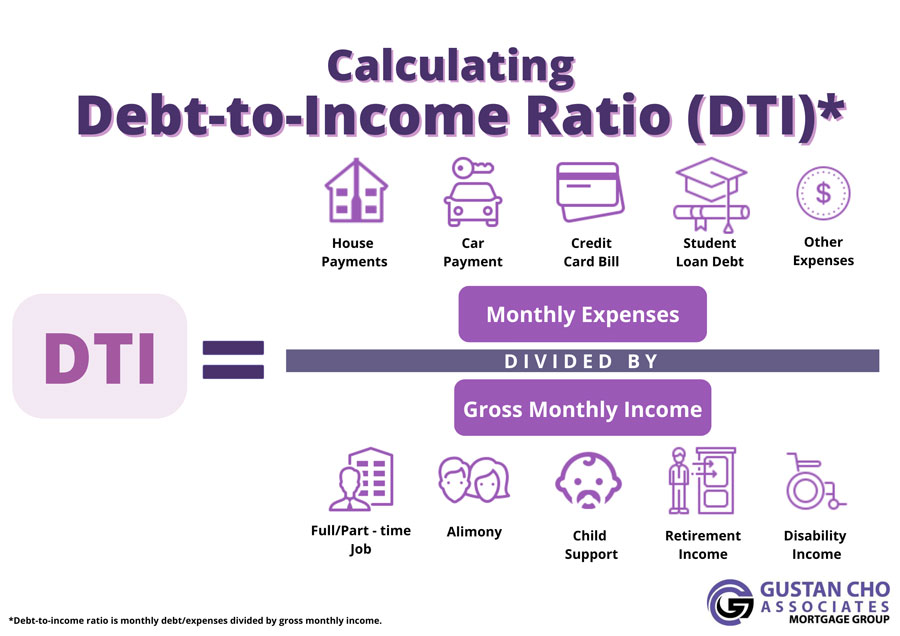
gustancho.com
Boost Your Credit With New Credit To Qualify For A Mortgage
Boost your credit with new credit to qualify for a mortgage . New secured credit cards and credit builder loans increases credit scores for mortgage
-
This guide explains how to buy a home in Alaska, covering mortgage choices and the state’s special housing challenges and opportunities. The next sections give practical tips to help you make smart decisions.
Complete Alaska Guide 2026: Key Insights into Alaska Mortgage LoansAlaska’s Unique Housing Market: Essential Considerations for Homebuyers
Alaska’s real estate market stands out from other states because of its location, weather, and economy, which relies on natural resources. Homebuyers can choose from cities like Anchorage and Fairbanks, remote villages, and military bases, reflecting the state’s diversity. Alaska’s housing market faces some challenges. High transportation costs make building materials more expensive, and homes must withstand large temperature changes.
Builders in the north work with frozen ground, while coastal homes need protection from saltwater and earthquakes. Housing trends depend on the military, oil, tourism, and fishing industries.
When the oil industry is strong, demand and prices rise, especially in Anchorage and the Kenai Peninsula. When it slows, the market does too. Military bases like JBER and Eielson Air Force Base help keep housing demand steady year-round. Anchorage and the Mat-Su Valley are at the heart of Alaska’s housing market, wicth almost half the state’s people living there.
Cities In Alaska Where You Can Call Home
Anchorage offers many services and a busy market, with home prices ranging from $200,000 to over $1 million for properties with mountain or water views. The Mat-Su Valley, which includes Wasilla and Palmer, draws buyers who want bigger yards and a country feel, often at prices $50,000 to $100,000 less than in Anchorage.
Palmer is known for its farming history and small-town vibe, while Wasilla feels more like a city. The area has many types of homes. Fairbanks is the main economic hub, with jobs in colleges, the military, mining, and tourism.
People there see big temperature swings, from hot summers near 90 degrees to cold winters below 40, so strong heating and good insulation are needed. These needs affect both living costs and home prices. Homes here usually cost less than in Anchorage, attracting military members, university staff, and others who like the Interior’s unique way of life. Neighborhoods like the College area and North Pole each have their own style.
Homes Outside The City In Alaska
Outside the city, larger lots offer more space and opportunities for self-sufficient living. Juneau, the state capital, cannot be reached by road and is accessible only by plane or boat, which limits its housing market. There is strong demand because of state workers, people in tourism, and those who love the outdoors. Not much land to build on, and high construction costs keep Juneau’s home prices about the same as Anchorage’s.
Ketchikan, Sitka, and much of Southeast Alaska face housing problems due to rugged terrain. These coastal towns attract people who want a slower, fishing- and tourism-focused life.
The warmer weather means less heating is needed, but lots of rain and dampness mean more upkeep. Homer and Seward are known for their resorts and fishing. The Kenai Peninsula is close enough to Anchorage that some people commute from northern towns. This area has a small-town feel, beautiful views, and lots of fishing. Homer stands out for its high home prices and ocean views, while Soldotna and Kenai mostly attract people working in fishing and oil.
Major Military Bases In Alaska
Major military bases have a big effect on Alaska’s housing markets. Joint Base Elmendorf-Richardson (JBER) in Anchorage, which combines Elmendorf Air Force Base and Fort Richardson, is home to thousands of active duty service members and their families. Eielson Air Force Base, now hosting F-35 aircraft, and Fort Wainwright in Fairbanks have also increased demand for military housing in the area.
Areas In Alaska With Large Veteran Population
Military personnel in Alaska are eligible for VA home loan benefits but face unique challenges. Frequent relocations often lead many to rent initially, supporting a strong rental market. Alaska’s isolation. Military members in Alaska can get VA home loan benefits, but also face special problems. They often have to move a lot, so many rent at first, which keeps the rental market strong.
Because Alaska is far from other places, people sometimes have to move quickly, which makes selling homes harder. Homes use different heating systems, like electric, propane, wood stoves, and oil furnaces.
Many houses have thick insulation and triple-pane windows, especially in colder areas. Good insulation saves on energy bills, while poor insulation can lead to expensive repairs. Improving insulation and heating makes homes more comfortable and saves money over time. In some places, homes are built on posts to keep them stable. It is important to hire a skilled Alaskan home inspector to ensure the house is strong and stable, and that snow slides off easily. The absence of a state income tax and comparatively low property taxes in Anchorage and Fairbanks distinguish the state from many others. Numerous rural areas do not impose property taxes, and even municipal rates are generally lower than national averages, although they may appear high by local standards.
Alaska’s Climate and Weather
Alaska’s changing weather means homeowners need to stay alert. Freezing and thawing cycles can damage roofs, driveways, and foundations. In small towns, it can be hard and costly to find skilled workers, so many people do their own repairs. Many rural Alaska homes use wells and septic systems, which require more maintenance and higher costs. These systems must be prepared for very cold weather and need regular checks and repairs to keep working in harsh conditions.
Alaska homebuyers can use both federal and state mortgage programs. Knowing your options helps you choose what works best. Many Alaskans use conventional mortgages, which offer flexible terms for homes ranging from Anchorage condos to remote cabins.
Local banks and credit unions, like Alaska USA Federal Credit Union and Denali State Bank, understand special Alaskan home features, such as houses on stilts or with their own wells and septic systems. Their local knowledge is valuable. You need at least a 620 credit score for a conventional mortgage, and higher scores get you better rates.
Qualifying For Alaska Mortgage Loans
Down payments are usually between 3% and 20%, and first-time buyers may qualify for 3% down programs like Fannie Mae’s HomeReady. In Alaska, this could mean a $12,000 down payment on a $400,000 home. Private mortgage insurance (PMI) adds 0.5% to 1.5% to yearly costs but can be dropped once you own 20% of your home, which is better than FHA loans.
Conventional loans are available for a variety of home types, including single-family houses, approved condos, townhouses, and buildings with up to 4 units.
Duplexes and triplexes are common in Anchorage and Fairbanks, allowing buyers to earn rental income to help pay the mortgage. This makes conventional loans popular. In some Alaskan cities, home prices exceed the standard loan limits. For 2026, the single-family loan limit in most areas is $806,500. Buyers of expensive homes in Anchorage or Juneau may need a Jumbo Loan to cover the extra cost.
FHA Loans: Accessible Homeownership in Alaska
FHA loans are a good option for Alaska buyers who may not qualify for conventional loans because of limited savings, credit issues, or high debt. They are popular with first-time buyers, younger military families, and people working to improve their finances. FHA loans require a credit score of at least 580 with a 3.5% down payment. Scores between 500 and 579 need a 10% down payment, helping buyers who have had credit problems. In Alaska, where saving money can be tough, FHA loans are very useful. They also allow a higher debt-to-income ratio, up to 43%, so more people can qualify even with high living costs and bills like student or car loans.
Cost Of FHA Loans
FHA loans require a 1.75% upfront mortgage insurance premium, which is added to the loan amount, and an annual fee of 0.45% to 1.05%, depending on the loan. If you put down less than 10%, you must pay mortgage insurance for the entire loan. To remove it, you need to refinance after you have enough equity in your home.
In most of Alaska, the single-family home loan limit for federally backed loans is $498,257 in 2026. Some areas have higher limits due to construction costs: Anchorage ($608,500), Fairbanks-North Star Borough ($530,150), and Juneau ($636,650). These higher limits make it easier to obtain federally backed loans in areas where construction costs are higher than in much of the U.S. All homes bought with federal loans must meet basic safety and building standards. FHA rules are especially important in Alaska because of unique homes, such as those on stilts, with their own septic and well systems, or older homes with outdated heating.
Alaska HUD Approved Lenders
FHA-approved lenders and inspectors in Alaska help make the process easier. The FHA 203(k) program is useful in Alaska, where many homes need better heating, windows, or insulation. This program lets buyers purchase and fix up a home with one loan. Making homes more energy efficient is especially helpful, lowering high utility bills.
VA Loans In Alaska
VA loans are a key resource for Alaska’s large military community, available to veterans, active duty service members, National Guard and Reserve members, and eligible surviving spouses. VA loans let military families buy homes with no down payment, making homeownership easier. A major benefit is there is no monthly mortgage insurance, even with no down payment, unlike FHA and conventional loans. VA loans also usually have interest rates 0.25% to 0.50% lower than conventional loans, saving money. The funding fee depends on the borrower and down payment, and is not charged for veterans receiving VA disability benefits. For 2026, VA loan limits are $608,500 in Anchorage, $636,650 in Juneau, $530,150 in Fairbanks-North Star Borough, and $498,257 in most other areas. With full entitlement, veterans can borrow more than these limits if the lender agrees, since the VA backs loans above the usual limits. In Alaska, VA loans can be used for primary homes, including single-family houses, certain townhouses, and VA-approved condos.
VA Eligibility Requirements
Builders near military bases often construct homes to meet VA requirements. When military members receive orders to move far from Alaska, it can be hard to manage their property from afar. Some families sell their homes when they move, while others hire local property managers to rent them out. VA appraisers in Alaska need to understand the state’s unique features, such as different heating systems, homes built on frozen ground, and houses with their own wells and septic tanks. Working with local lenders and appraisers who know Alaska’s building needs can make the process easier. Native Veterans can use VA loans for trust land in Alaska Native villages and communities, allowing them to own a home. This process requires the tribe, the veteran, the VA, and the lender to work together, but it lets Alaska Native veterans build or buy in their own communities.
Home Loans in Rural Alaska: USDA Loans
People buying homes in rural Alaska can use USDA Rural Development loans, which allow them to buy a home with no down payment in most places outside Anchorage, Fairbanks, and Juneau. This program helps new homeowners move to smaller towns and supports growth in rural areas.
Most of Alaska is eligible for USDA loans, including the Mat-Su Valley, Kenai Peninsula, North Pole, and many small towns. The USDA’s website helps buyers check if they qualify, and many are surprised by how many places are included. Applicants must meet income limits to get these loans. Qualified buyers can get a loan with no down payment. Unlike VA loans, which are only for military members, USDA loans are open to anyone who meets the income requirements, making them a good choice for first-time buyers, families moving for work, and new rural residents. These loans are for families earning up to 115% of the area’s average income. In Alaska, a family of four can usually earn between $105,000 and $125,000 and still qualify, but the limits vary depending on where you live.
-
Ultimate Guide to Buying a House in Wisconsin: Complete Overview of Wisconsin Mortgage Loans for 2026
Wisconsin’s Dynamic Housing Market: What Homebuyers Need to Know
Wisconsin presents homebuyers with exceptional opportunities across one of the Midwest’s most diverse real estate landscapes. From the bustling urban corridors of Milwaukee and Madison to the scenic beauty of Door County’s peninsula, the charming college towns of La Crosse and Eau Claire, and the peaceful farming communities dotting the countryside, Wisconsin offers something for every lifestyle and budget. The state’s housing market has demonstrated remarkable resilience, maintaining affordability while major coastal markets have priced out average buyers.
Understanding Wisconsin’s regional price variations is essential for smart homebuying. The Madison metropolitan area, home to the state capital and University of Wisconsin’s flagship campus, typically commands the highest prices in the state, with median home values often exceeding the state average by 30-40 percent. Milwaukee’s diverse neighborhoods range from affordable options on the city’s northwest and south sides to premium properties in the North Shore suburbs like Whitefish Bay, Shorewood, and Fox Point, where lakefront living commands top dollar. Meanwhile, cities like Green Bay, Appleton, Oshkosh, and the Fox Cities offer excellent value with strong job markets driven by manufacturing, healthcare, and education sectors.
The Wisconsin Dells area presents unique opportunities for both primary residences and vacation properties, while Northwoods communities like Rhinelander, Minocqua, and Eagle River attract buyers seeking year-round recreation and retirement destinations. The southwestern region, including La Crosse and the scenic bluff country, offers remarkable natural beauty at prices significantly below the state’s urban centers. Even within the Milwaukee metro area, suburban communities like Waukesha, Brookfield, Menomonee Falls, and Germantown provide excellent school districts and family-friendly environments at more accessible price points than the city’s East Side or downtown districts.
Regional Market Insights Across Wisconsin
The Greater Milwaukee Area encompasses not just the city proper but also thriving suburbs in Waukesha, Ozaukee, and Washington counties. Milwaukee’s housing stock includes historic Victorian homes in neighborhoods like Bay View and Walker’s Point, contemporary condos in the Historic Third Ward and downtown, and suburban developments throughout the metro area. The city’s ongoing revitalization has made previously overlooked neighborhoods increasingly attractive, with areas like Riverwest, Brewers Hill, and the near south side seeing substantial investment and appreciation.
Madison and Dane County continue to experience strong demand driven by state government employment, the University of Wisconsin, and a thriving tech sector nicknamed “Silicon Badger.” Neighborhoods on the isthmus between Lakes Mendota and Monona are particularly desirable but competitive. Suburbs like Middleton, Fitchburg, Verona, and Sun Prairie offer newer construction and excellent schools while maintaining reasonable commute times to downtown Madison. The challenge for Madison-area buyers is often competition—multiple offers are common, and being pre-approved with strong financing is essential.
The Fox Cities region (Appleton, Neenah, Menasha, Kaukauna) represents one of Wisconsin’s best values for homebuyers seeking economic opportunity combined with affordability. The area’s economy, historically rooted in paper manufacturing, has successfully diversified into healthcare, insurance, and technology. Lawrence University in Appleton adds cultural vitality, while the region’s location between Green Bay and Oshkosh provides convenient access to larger urban amenities.
Green Bay and Northeast Wisconsin offer affordable housing near one of the NFL’s most storied franchises and a growing economy beyond the Packers. The Green Bay metro area, including De Pere, Ashwaubenon, and Howard, provides suburban living with easy access to employment centers, while smaller communities like Marinette, Oconto, and Sturgeon Bay offer even greater affordability and access to Lake Michigan recreation.
La Crosse and Western Wisconsin blend natural beauty with economic stability. The “coulee region” provides stunning topography unusual for the Midwest, with homes nestled in valleys and perched on bluffs overlooking the Mississippi River. La Crosse serves as a regional healthcare and education hub, while nearby communities like Onalaska offer newer suburban developments. This region particularly appeals to outdoor enthusiasts drawn to the Mississippi River, extensive biking trails, and abundant hunting and fishing opportunities.
Central Wisconsin, anchored by Wausau, Stevens Point, and Wisconsin Rapids, offers exceptional affordability for families and retirees. These communities provide solid employment in insurance, healthcare, and manufacturing, along with access to thousands of acres of state and county forest land. The region’s slower appreciation means your housing dollar stretches further, though it also means building equity may take longer than in faster-growing markets.
The Northwoods (Rhinelander, Minocqua, Eagle River, Tomahawk) caters to a specialized market of vacation homebuyers, retirees, and those seeking small-town life surrounded by pristine lakes and forests. Properties range from modest year-round homes to luxury lakefront estates. Buyers should carefully consider the seasonal nature of local economies and potentially higher costs for services in these less densely populated areas.
Seasonal Considerations in Wisconsin’s Housing Market
Wisconsin’s distinct seasons significantly impact the homebuying process and timeline. The spring market, traditionally launching in late March and April, brings the year’s largest inventory as sellers prepare homes over winter for spring listings. This period sees peak competition, with multiple offers common in desirable neighborhoods and price ranges. Summer maintains strong activity through August, particularly for families hoping to relocate before the school year begins.
Fall, from September through November, offers a “second spring” with motivated sellers who missed the summer market and buyers who want to close before winter. Inventory decreases but so does competition, creating negotiating opportunities. Winter, December through February, represents Wisconsin’s slowest real estate period. Sellers listing during winter are often highly motivated—relocating for jobs, experiencing life changes, or needing to sell regardless of season. Winter buyers face limited selection but reduced competition and potentially greater willingness from sellers to negotiate on price or closing costs.
Smart Wisconsin buyers also consider how seasons affect home inspection priorities. Winter inspections can reveal how well heating systems perform and whether ice damming occurs, while summer inspections better show drainage, foundation issues, and air conditioning performance. A spring inspection during snowmelt can reveal basement water intrusion issues that might be hidden during drier seasons.
Understanding Wisconsin Property Taxes and Homeownership Costs
Wisconsin property owners should prepare for property taxes that typically exceed national averages, though this varies dramatically by municipality. Milwaukee and Madison have among the state’s highest mill rates, while rural townships may have significantly lower taxes. However, Wisconsin offers some relief through programs like the Homestead Credit for eligible lower-income homeowners and the Veterans and Surviving Spouses Property Tax Credit.
When calculating affordability, Wisconsin buyers must also consider heating costs—winter heating bills can be substantial, particularly for older homes with dated insulation and heating systems. Properties with updated insulation, energy-efficient windows, and modern furnaces save thousands annually. Many Wisconsin utility companies offer energy audits and rebates for efficiency improvements, making these upgrades more affordable.
Wisconsin homeowners insurance costs remain moderate compared to disaster-prone regions, though rates have increased in recent years. Comprehensive coverage should address winter-related risks like ice damming and frozen pipe damage, which are common Wisconsin claims. Homes in flood-prone areas near rivers or in lakefront locations may require separate flood insurance.
Types of Wisconsin Mortgage Loans: In-Depth Analysis
Wisconsin homebuyers can access numerous financing options, each suited to different circumstances, financial profiles, and property types. Understanding the nuances of each loan type helps you make informed decisions aligned with your long-term financial goals.
Conventional Mortgages: The Mainstream Choice
Conventional loans dominate Wisconsin’s mortgage market, accounting for roughly 60-65 percent of home purchases across the state. These mortgages, offered by banks, credit unions, and mortgage companies, aren’t insured by government agencies, giving lenders flexibility in underwriting criteria while also requiring stricter qualification standards.
For Wisconsin buyers, conventional loans work particularly well when purchasing properties in competitive markets like Madison or Milwaukee’s East Side, where sellers often prefer buyers without the additional requirements that government-backed loans may entail. Credit score requirements typically start at 620, though borrowers with scores below 680 face higher interest rates and less favorable terms. To access the most competitive rates and lowest fees, Wisconsin buyers should aim for credit scores of 740 or higher.
Down payment requirements for conventional loans vary based on the loan type. Standard conventional mortgages typically require 5-20 percent down, though programs like Fannie Mae’s HomeReady and Freddie Mac’s Home Possible allow qualified first-time buyers to purchase with just three percent down. These programs specifically target low-to-moderate income buyers and include income limits based on area median income, which varies significantly across Wisconsin—what qualifies in Milwaukee differs from rural counties.
Private Mortgage Insurance (PMI) applies to conventional loans with less than 20 percent down payment. Wisconsin buyers should understand that PMI protects the lender, not the borrower, and costs roughly 0.5-1.5 percent of the loan amount annually. However, once you’ve paid down your principal to 80 percent of the home’s original value (or current appraised value through appreciation), you can request PMI removal—a significant advantage over FHA loans where mortgage insurance may last the entire loan term.
Conventional loans accommodate various property types common in Wisconsin, including single-family homes, condominiums (with proper condo association approval), townhouses, and multi-family properties up to four units. For buyers interested in Wisconsin’s duplex markets in cities like Milwaukee, Madison, or La Crosse—where owner-occupied duplexes provide rental income to offset mortgage costs—conventional financing often provides the best terms.
Wisconsin credit unions like Summit Credit Union, Westbury Bank, and UW Credit Union frequently offer competitive conventional loan rates for members, sometimes undercutting larger national lenders. Regional banks such as Associated Bank, Investors Community Bank, and Bank of Sun Prairie also compete aggressively for Wisconsin mortgage business, often providing more personalized service and local market expertise than national institutions.
FHA Loans: Accessible Homeownership for More Wisconsin Buyers
Federal Housing Administration loans have helped millions of Americans achieve homeownership since the program’s 1934 inception, and they remain vital for Wisconsin buyers who face barriers to conventional financing. FHA loans are particularly popular in Wisconsin’s smaller cities and rural areas where home prices remain affordable enough that FHA loan limits don’t pose restrictions.
The FHA program’s primary advantage is accessibility. With credit scores as low as 580, Wisconsin buyers can qualify for FHA financing with just 3.5 percent down. Even borrowers with scores between 500-579 may qualify with 10 percent down, though finding lenders willing to approve loans at these lower score thresholds can be challenging. This flexibility makes FHA loans ideal for first-time buyers, those rebuilding credit after financial setbacks, or buyers with limited savings for down payments.
FHA loans accept higher debt-to-income ratios than conventional mortgages—up to 43 percent with standard underwriting, and sometimes higher with compensating factors like substantial savings or stellar payment history. For Wisconsin buyers in markets with high property taxes like Milwaukee or Madison, this flexibility in debt-to-income calculations can be crucial for qualifying.
The trade-off for FHA accessibility is mortgage insurance. All FHA loans require an upfront mortgage insurance premium of 1.75 percent of the loan amount (typically rolled into the loan balance) plus annual mortgage insurance premiums of 0.45-1.05 percent depending on loan amount, loan-to-value ratio, and loan term. For loans originated after June 2013 with less than 10 percent down, mortgage insurance lasts the entire loan term, only removable through refinancing once you’ve built sufficient equity.
Wisconsin FHA loan limits for 2026 vary by county. Most Wisconsin counties fall under the “low-cost” designation with limits of $498,257 for single-family homes, sufficient for the majority of Wisconsin properties. However, if you’re purchasing in higher-cost pockets or looking at multi-family properties, the limits increase—duplexes up to $637,950, triplexes to $771,125, and fourplexes to $957,900 in standard counties.
FHA loans require the property to meet minimum property standards addressing safety, security, and soundness. Wisconsin’s older housing stock, particularly in Milwaukee, Madison, and smaller industrial cities, sometimes presents challenges meeting FHA standards. Issues like peeling paint in homes built before 1978 (lead paint concerns), roofs with less than two years of remaining life, or properties with active water damage require remediation before FHA approval. Wisconsin buyers should work with experienced FHA lenders and home inspectors who understand these requirements to avoid surprises during the purchase process.
First-time homebuyers using FHA loans in Wisconsin benefit from required homebuyer education courses, which many find valuable for understanding not just the mortgage but the entire homeownership journey. Organizations like NeighborWorks Green Bay, Impact Seven, and local housing authorities throughout Wisconsin offer HUD-approved counseling programs, often free or low-cost.
VA Loans: Honoring Wisconsin’s Military Community
Wisconsin’s substantial military and veteran population, including those connected to Fort McCoy, the 128th Air Refueling Wing at Mitchell Air National Guard Base, and Volk Field Combat Readiness Training Center, makes VA loans an important financing option. The Department of Veterans Affairs guarantees these loans, allowing lenders to offer exceptional terms to those who’ve served.
VA loans require no down payment, regardless of purchase price (within loan limits), making them the most accessible path to homeownership for eligible veterans, active-duty service members, National Guard and Reserve members meeting service requirements, and eligible surviving spouses. In Wisconsin’s affordable markets, this means veterans can purchase homes without years of saving for down payments, immediately building equity rather than paying rent.
VA loans also eliminate monthly mortgage insurance despite zero down payment, a massive advantage over FHA and conventional low-down-payment options. Over a 30-year loan, this saves tens of thousands of dollars. VA rates are typically 0.25-0.50 percent lower than comparable conventional rates, further reducing costs.
The VA funding fee—a one-time charge of 2.15-3.3 percent for first-time VA loan users, depending on down payment and borrower type—helps sustain the program. Veterans receiving VA disability compensation are exempt from this fee, providing even greater savings. The funding fee can be financed into the loan, avoiding out-of-pocket expense at closing.
Wisconsin veterans can use VA loans for primary residences statewide, from condos in downtown Milwaukee to farmhouses in Vernon County. The loan accommodates single-family homes, condominiums (if VA-approved), townhouses, manufactured homes, and even new construction. Some Wisconsin builders in military-heavy areas specifically advertise VA loan friendliness, understanding the program’s requirements.
VA loans have generous qualification standards, focusing on stable income and reasonable credit rather than rigid minimum scores. While lenders often prefer 620 or higher scores, the VA itself sets no minimum, and some Wisconsin lenders work with veterans at lower scores. The program also takes a comprehensive view of past credit issues, looking at circumstances and subsequent payment patterns rather than simply denying based on past bankruptcies or foreclosures.
Wisconsin veterans should work with lenders experienced in VA loans, as the program has specific requirements that general mortgage lenders may not fully understand. VA loans require properties to meet Minimum Property Requirements ensuring they’re safe, sanitary, and structurally sound. Wisconsin’s older housing stock sometimes needs updates to meet these standards, but sellers often negotiate repairs for VA buyers, particularly if the buyer is using the VA’s full entitlement and bringing strong financial qualifications beyond the loan guaranty.
For veterans considering Wisconsin’s strong rural housing markets, VA loans work seamlessly for country properties including farms and acreage, as long as the property is primarily residential (not a working commercial farm). This opens opportunities in Wisconsin’s beautiful rural counties where land and privacy come at reasonable prices.
USDA Loans: Rural Wisconsin Homeownership Without Down Payments
The United States Department of Agriculture Rural Development program provides zero-down-payment financing for eligible buyers purchasing in designated rural areas—which includes far more of Wisconsin than most people realize. The program aims to strengthen rural economies and provide homeownership opportunities in less densely populated areas.
Wisconsin’s USDA-eligible areas encompass most of the state outside Milwaukee, Madison, and Green Bay city centers. Surprisingly, this includes many suburban and exurban communities that don’t feel “rural” at all. Cities like Kenosha, Racine, Sheboygan, Janesville, Beloit, and significant portions of their surrounding areas qualify. The USDA provides an address eligibility search on their website, and many potential buyers are pleasantly surprised to learn their desired neighborhoods qualify.
USDA loans require zero down payment for eligible borrowers, and unlike VA loans which are benefit-based, USDA loans are available to any qualified buyer in eligible areas. This makes them excellent options for first-time buyers, families relocating to Wisconsin’s smaller communities, or anyone drawn to the state’s small-town lifestyle who meets income requirements.
Income eligibility is key to USDA loan qualification. The program targets low-to-moderate income households, defining this as income at or below 115 percent of area median income (AMI). Wisconsin’s AMI varies substantially by county and household size. A family of four in Dane County (Madison area) has a higher income limit than the same family in Clark County, reflecting differences in regional economics. Most Wisconsin counties have USDA income limits for a family of four in the $103,000-$115,000 range, though some lower-cost rural counties have lower limits.
USDA loans offer competitive interest rates, often matching or beating conventional rates. The program charges a one-time guarantee fee of one percent of the loan amount (rolled into the loan) plus an annual fee of 0.35 percent. This is significantly less expensive than FHA mortgage insurance, making USDA loans the most affordable government-backed option when you qualify.
Credit requirements for USDA loans are moderate—while the USDA itself doesn’t set a minimum score, most lenders require 640 or higher for streamlined underwriting. Lower scores may qualify through manual underwriting with compensating factors. The program takes a comprehensive view of credit history, considering the context of past issues and emphasizing recent payment patterns.
Wisconsin buyers interested in USDA financing should understand that properties must be modest in size and design—no luxurious amenities or properties designed for income production. The home must be your primary residence, and you cannot have adequate housing in the area already (making this unsuitable for vacation homes). Eligible properties include single-family homes, townhouses, condominiums, and new construction in USDA-eligible areas.
For Wisconsin families drawn to communities like Reedsburg, Richland Center, Viroqua, Tomah, Marinette, Antigo, or countless smaller towns and townships, USDA loans provide unmatched value. The combination of zero down payment, low mortgage insurance, and competitive rates in areas where home prices remain affordable creates genuine pathways to homeownership for working Wisconsin families.
Wisconsin Housing and Economic Development Authority (WHEDA) Programs: State-Specific Homebuyer Assistance
WHEDA represents Wisconsin’s most underutilized homebuyer resource. This state agency provides multiple programs designed to make homeownership accessible to more Wisconsin residents, yet many potential buyers remain unaware of these valuable options.
The WHEDA Advantage program combines conventional or FHA first mortgage financing with down payment and closing cost assistance. Qualified buyers receive a second mortgage for up to $7,500 (or $10,000 for new construction) at a competitive interest rate with monthly payments. This second loan helps cover down payment and closing costs that often prevent otherwise qualified buyers from purchasing. After five years of on-time payments and continued occupancy, WHEDA forgives 20 percent of the original loan amount annually, completely forgiving the loan after five years—essentially making it a grant if you meet requirements.
WHEDA Easy Close provides up to $3,500 in closing cost assistance without income restrictions, available to any Wisconsin buyer purchasing a home with WHEDA financing. This doesn’t reduce your down payment but helps with the numerous fees, insurance costs, prepaid taxes, and other expenses that accumulate at closing. For buyers who’ve saved for a down payment but struggle with additional closing expenses, Easy Close bridges that gap.
WHEDA programs require participation in a homebuyer education course, which consistently receives positive feedback from graduates who find the comprehensive curriculum valuable for understanding not just mortgages but homeowner insurance, budgeting, maintenance, and the full scope of homeownership responsibilities.
Income and purchase price limits apply to most WHEDA programs, varying by county and household size. These limits are generous enough to include moderate-income Wisconsin families, not just those at poverty levels. A family of four in many Wisconsin counties can earn $95,000-$115,000 and still qualify for WHEDA assistance, making these programs accessible to working middle-class families, not just low-income households.
WHEDA also offers programs specifically for veterans (WHEDA Heroes) and first-generation homebuyers whose parents never owned homes. The organization partners with approved Wisconsin lenders statewide—the WHEDA website provides a searchable database of participating lenders, ensuring buyers across all regions can access these programs.
For more comprehensive details about WHEDA programs, income limits for your county, and approved lenders, visit the Wisconsin Housing and Economic Development Authority website or speak with lenders experienced in WHEDA financing.
Jumbo Loans: Financing Wisconsin’s Premium Properties
While Wisconsin’s housing affordability means most buyers never encounter conforming loan limits, certain premium markets and property types require jumbo financing. Any mortgage exceeding conforming limits ($806,500 for single-family homes in 2026 for most counties) requires a jumbo loan with different underwriting standards.
Wisconsin’s jumbo market concentrates in specific niches: lakefront properties on Lake Geneva, Lake Pewaukee, and other prestigious lakes; luxury homes in Milwaukee’s North Shore suburbs (Whitefish Bay, Shorewood, Fox Point, River Hills); upscale Madison neighborhoods like Maple Bluff and University Heights; and premium Door County waterfront properties. Urban Milwaukee’s downtown condo market occasionally hits jumbo territory for high-floor units with premium views, as do historical mansions in neighborhoods like Brewer’s Hill or Lake Drive.
Jumbo loans demand stronger financial profiles than conforming mortgages. Lenders typically require credit scores of 700 minimum, preferably 740 or higher for optimal rates. Down payments usually range from 10-20 percent minimum, with 20 percent down often providing better rates and terms. Debt-to-income ratios face stricter limits, usually maxing at 43 percent, sometimes lower depending on the lender and loan size.
Cash reserves represent another key jumbo requirement. Lenders want to see 6-12 months of mortgage payments in liquid reserves after closing, demonstrating financial stability and ability to weather income disruptions. For a $1 million mortgage in Milwaukee’s premium market, this could mean $60,000-$120,000 in accessible savings beyond your down payment and closing costs.
Jumbo rates have narrowed the gap with conforming loan rates in recent years, sometimes matching or falling slightly below conforming rates as lenders compete for wealthy borrowers. Wisconsin buyers shopping for jumbo loans should compare multiple lenders—local banks, national lenders, and private banks all compete in this space with varying requirements and rates.
Documentation requirements for jumbo loans exceed those for conforming mortgages. Expect to provide extensive income verification, multiple years of tax returns, detailed asset statements, and explanations for any unusual deposits or financial transactions. Self-employed Wisconsin buyers face particularly rigorous documentation requirements, often needing two years of business tax returns and proof of business stability.
Specialized Wisconsin Mortgage Programs and Considerations
Beyond the primary loan types, Wisconsin buyers should know about additional resources and specialized situations.
203(k) Rehabilitation Loans allow buyers to finance both the purchase and renovation costs in a single mortgage, ideal for Wisconsin’s abundant fixer-upper inventory, particularly in older cities like Milwaukee, Racine, Kenosha, and Madison. Rather than needing separate construction loans, buyers can roll renovation costs into their FHA mortgage, making home improvements immediately affordable.
HomeStyle Renovation Loans provide the conventional mortgage equivalent of 203(k) loans, often offering better terms for buyers with stronger credit who are purchasing and renovating properties that exceed FHA loan limits. These work well for Milwaukee area buyers tackling larger renovation projects on properties in appreciating neighborhoods.
Native American Direct Loan Program (NADL) serves eligible Native American veterans purchasing, building, or improving homes on federal trust land. Wisconsin’s tribal lands, including Oneida, Menominee, Ho-Chunk, and other nations, have veterans who can access this specialized VA program.
Energy-Efficient Mortgages provide additional borrowing capacity for energy improvements, relevant for Wisconsin buyers purchasing older homes with significant heating costs. These programs recognize that energy-efficient homes cost less to operate, justifying slightly higher loan amounts for efficiency upgrades.
Making Smart Wisconsin Mortgage Decisions: Action Steps
Choosing the right Wisconsin mortgage requires evaluating multiple factors: your credit profile, down payment capacity, income stability, long-term plans, and property location. Here’s how to approach this decision strategically.
Start with pre-qualification conversations with multiple lenders. Don’t limit yourself to one lender recommendation or assume the bank you’ve used for checking accounts offers the best mortgage terms. Compare at least three lenders including a local credit union, regional bank, and national mortgage company. Wisconsin credit unions often provide exceptional value for members, while national lenders may offer more specialized programs.
Understand what you can afford beyond the maximum loan approval. Lenders approve loans based on standard calculations, but you know your spending patterns, lifestyle preferences, and financial goals. In Wisconsin’s high property tax environment, factor these costs carefully. A home with $6,000 annual property taxes costs $500 monthly beyond your mortgage payment—reducing what you can comfortably spend on the mortgage itself.
Consider your timeline. If you plan to relocate within five years for career advancement or family reasons, an ARM (adjustable-rate mortgage) might offer lower initial rates. If you’re settling into a Wisconsin community long-term—raising children through school, establishing your career, building community ties—a 30-year fixed mortgage provides payment stability regardless of future interest rate changes.
Factor in Wisconsin’s seasonal market dynamics. Winter buyers face less competition but limited inventory. Spring and summer buyers have more choices but face multiple offers and less negotiating power. Your mortgage pre-approval should be complete well before you start shopping, especially in competitive seasons and markets.
Leverage available assistance programs. WHEDA programs alone save thousands of dollars for qualified Wisconsin buyers, yet countless eligible families never apply simply because they’re unaware. First-time buyers, in particular, should thoroughly explore WHEDA, local housing authority programs, and employer-sponsored down payment assistance (offered by major Wisconsin employers including UW Health, Advocate Aurora, and many municipalities).
For more detailed information about Wisconsin mortgage options, current rates, and personalized guidance for your specific situation, visit GCA Mortgage Group’s Wisconsin mortgage loans page, where experienced professionals help Wisconsin homebuyers navigate financing options and find the best solutions for their circumstances.
The Wisconsin Homeownership Journey: Final Thoughts
Wisconsin offers exceptional value for homebuyers willing to embrace the state’s climate, communities, and lifestyle. Whether you’re drawn to urban culture in Milwaukee’s vibrant neighborhoods, college-town energy in Madison or La Crosse, small-town Wisconsin charm in communities like Bayfield or Mineral Point, or rural peace in the state’s farming regions and Northwoods, financing options exist to make homeownership achievable.
The key is understanding which programs align with your financial profile and homeownership goals, then working with knowledgeable professionals who understand Wisconsin’s market nuances. Real estate agents familiar with local markets, experienced mortgage loan officers who know state-specific programs, skilled home inspectors who understand Wisconsin’s building stock and weather-related concerns, and attorneys or title companies handling closings all contribute to successful homebuying experiences.
Wisconsin’s combination of affordable housing, strong employment across diverse industries, excellent education systems (both K-12 and higher education), abundant recreation opportunities, and genuine community spirit continues attracting new residents from across the country. Understanding your mortgage options transforms that attraction into the reality of homeownership, building equity and establishing roots in communities that have made Wisconsin home for generations.
Whether this is your first home purchase or you’re a seasoned buyer relocating to Wisconsin, taking time to understand your financing options, comparing lenders, exploring assistance programs, and making informed decisions sets the foundation for successful, sustainable homeownership in America’s Dairyland.
Check out this link on GCA Mortgage Group About 2026 Guide To Wisconsin Mortgage Loans http://www.gcamortgage.com/wisconsin-mortgage-loans/
Check out this link to The Best Wisconsin Mortgage Calculator https://gustancho.com/wisconsin-mortgage-calculator/
-
Ultimate Guide to Buying a House in Wisconsin: Complete Overview of Wisconsin Mortgage Loans for 2026
Wisconsin’s Dynamic Housing Market: What Homebuyers Need to Know
Wisconsin presents homebuyers with exceptional opportunities across one of the Midwest’s most diverse real estate landscapes. From the bustling urban corridors of Milwaukee and Madison to the scenic beauty of Door County’s peninsula, the charming college towns of La Crosse and Eau Claire, and the peaceful farming communities dotting the countryside, Wisconsin offers something for every lifestyle and budget. The state’s housing market has demonstrated remarkable resilience, maintaining affordability while major coastal markets have priced out average buyers.
Understanding Wisconsin’s regional price variations is essential for smart homebuying. The Madison metropolitan area, home to the state capital and University of Wisconsin’s flagship campus, typically commands the highest prices in the state, with median home values often exceeding the state average by 30-40 percent. Milwaukee’s diverse neighborhoods range from affordable options on the city’s northwest and south sides to premium properties in the North Shore suburbs like Whitefish Bay, Shorewood, and Fox Point, where lakefront living commands top dollar. Meanwhile, cities like Green Bay, Appleton, Oshkosh, and the Fox Cities offer excellent value with strong job markets driven by manufacturing, healthcare, and education sectors.
The Wisconsin Dells area presents unique opportunities for both primary residences and vacation properties, while Northwoods communities like Rhinelander, Minocqua, and Eagle River attract buyers seeking year-round recreation and retirement destinations. The southwestern region, including La Crosse and the scenic bluff country, offers remarkable natural beauty at prices significantly below the state’s urban centers. Even within the Milwaukee metro area, suburban communities like Waukesha, Brookfield, Menomonee Falls, and Germantown provide excellent school districts and family-friendly environments at more accessible price points than the city’s East Side or downtown districts.
Regional Market Insights Across Wisconsin
The Greater Milwaukee Area encompasses not just the city proper but also thriving suburbs in Waukesha, Ozaukee, and Washington counties. Milwaukee’s housing stock includes historic Victorian homes in neighborhoods like Bay View and Walker’s Point, contemporary condos in the Historic Third Ward and downtown, and suburban developments throughout the metro area. The city’s ongoing revitalization has made previously overlooked neighborhoods increasingly attractive, with areas like Riverwest, Brewers Hill, and the near south side seeing substantial investment and appreciation.
Madison and Dane County continue to experience strong demand driven by state government employment, the University of Wisconsin, and a thriving tech sector nicknamed “Silicon Badger.” Neighborhoods on the isthmus between Lakes Mendota and Monona are particularly desirable but competitive. Suburbs like Middleton, Fitchburg, Verona, and Sun Prairie offer newer construction and excellent schools while maintaining reasonable commute times to downtown Madison. The challenge for Madison-area buyers is often competition—multiple offers are common, and being pre-approved with strong financing is essential.
The Fox Cities region (Appleton, Neenah, Menasha, Kaukauna) represents one of Wisconsin’s best values for homebuyers seeking economic opportunity combined with affordability. The area’s economy, historically rooted in paper manufacturing, has successfully diversified into healthcare, insurance, and technology. Lawrence University in Appleton adds cultural vitality, while the region’s location between Green Bay and Oshkosh provides convenient access to larger urban amenities.
Green Bay and Northeast Wisconsin offer affordable housing near one of the NFL’s most storied franchises and a growing economy beyond the Packers. The Green Bay metro area, including De Pere, Ashwaubenon, and Howard, provides suburban living with easy access to employment centers, while smaller communities like Marinette, Oconto, and Sturgeon Bay offer even greater affordability and access to Lake Michigan recreation.
La Crosse and Western Wisconsin blend natural beauty with economic stability. The “coulee region” provides stunning topography unusual for the Midwest, with homes nestled in valleys and perched on bluffs overlooking the Mississippi River. La Crosse serves as a regional healthcare and education hub, while nearby communities like Onalaska offer newer suburban developments. This region particularly appeals to outdoor enthusiasts drawn to the Mississippi River, extensive biking trails, and abundant hunting and fishing opportunities.
Central Wisconsin, anchored by Wausau, Stevens Point, and Wisconsin Rapids, offers exceptional affordability for families and retirees. These communities provide solid employment in insurance, healthcare, and manufacturing, along with access to thousands of acres of state and county forest land. The region’s slower appreciation means your housing dollar stretches further, though it also means building equity may take longer than in faster-growing markets.
The Northwoods (Rhinelander, Minocqua, Eagle River, Tomahawk) caters to a specialized market of vacation homebuyers, retirees, and those seeking small-town life surrounded by pristine lakes and forests. Properties range from modest year-round homes to luxury lakefront estates. Buyers should carefully consider the seasonal nature of local economies and potentially higher costs for services in these less densely populated areas.
Seasonal Considerations in Wisconsin’s Housing Market
Wisconsin’s distinct seasons significantly impact the homebuying process and timeline. The spring market, traditionally launching in late March and April, brings the year’s largest inventory as sellers prepare homes over winter for spring listings. This period sees peak competition, with multiple offers common in desirable neighborhoods and price ranges. Summer maintains strong activity through August, particularly for families hoping to relocate before the school year begins.
Fall, from September through November, offers a “second spring” with motivated sellers who missed the summer market and buyers who want to close before winter. Inventory decreases but so does competition, creating negotiating opportunities. Winter, December through February, represents Wisconsin’s slowest real estate period. Sellers listing during winter are often highly motivated—relocating for jobs, experiencing life changes, or needing to sell regardless of season. Winter buyers face limited selection but reduced competition and potentially greater willingness from sellers to negotiate on price or closing costs.
Smart Wisconsin buyers also consider how seasons affect home inspection priorities. Winter inspections can reveal how well heating systems perform and whether ice damming occurs, while summer inspections better show drainage, foundation issues, and air conditioning performance. A spring inspection during snowmelt can reveal basement water intrusion issues that might be hidden during drier seasons.
Understanding Wisconsin Property Taxes and Homeownership Costs
Wisconsin property owners should prepare for property taxes that typically exceed national averages, though this varies dramatically by municipality. Milwaukee and Madison have among the state’s highest mill rates, while rural townships may have significantly lower taxes. However, Wisconsin offers some relief through programs like the Homestead Credit for eligible lower-income homeowners and the Veterans and Surviving Spouses Property Tax Credit.
When calculating affordability, Wisconsin buyers must also consider heating costs—winter heating bills can be substantial, particularly for older homes with dated insulation and heating systems. Properties with updated insulation, energy-efficient windows, and modern furnaces save thousands annually. Many Wisconsin utility companies offer energy audits and rebates for efficiency improvements, making these upgrades more affordable.
Wisconsin homeowners insurance costs remain moderate compared to disaster-prone regions, though rates have increased in recent years. Comprehensive coverage should address winter-related risks like ice damming and frozen pipe damage, which are common Wisconsin claims. Homes in flood-prone areas near rivers or in lakefront locations may require separate flood insurance.
Types of Wisconsin Mortgage Loans: In-Depth Analysis
Wisconsin homebuyers can access numerous financing options, each suited to different circumstances, financial profiles, and property types. Understanding the nuances of each loan type helps you make informed decisions aligned with your long-term financial goals.
Conventional Mortgages: The Mainstream Choice
Conventional loans dominate Wisconsin’s mortgage market, accounting for roughly 60-65 percent of home purchases across the state. These mortgages, offered by banks, credit unions, and mortgage companies, aren’t insured by government agencies, giving lenders flexibility in underwriting criteria while also requiring stricter qualification standards.
For Wisconsin buyers, conventional loans work particularly well when purchasing properties in competitive markets like Madison or Milwaukee’s East Side, where sellers often prefer buyers without the additional requirements that government-backed loans may entail. Credit score requirements typically start at 620, though borrowers with scores below 680 face higher interest rates and less favorable terms. To access the most competitive rates and lowest fees, Wisconsin buyers should aim for credit scores of 740 or higher.
Down payment requirements for conventional loans vary based on the loan type. Standard conventional mortgages typically require 5-20 percent down, though programs like Fannie Mae’s HomeReady and Freddie Mac’s Home Possible allow qualified first-time buyers to purchase with just three percent down. These programs specifically target low-to-moderate income buyers and include income limits based on area median income, which varies significantly across Wisconsin—what qualifies in Milwaukee differs from rural counties.
Private Mortgage Insurance (PMI) applies to conventional loans with less than 20 percent down payment. Wisconsin buyers should understand that PMI protects the lender, not the borrower, and costs roughly 0.5-1.5 percent of the loan amount annually. However, once you’ve paid down your principal to 80 percent of the home’s original value (or current appraised value through appreciation), you can request PMI removal—a significant advantage over FHA loans where mortgage insurance may last the entire loan term.
Conventional loans accommodate various property types common in Wisconsin, including single-family homes, condominiums (with proper condo association approval), townhouses, and multi-family properties up to four units. For buyers interested in Wisconsin’s duplex markets in cities like Milwaukee, Madison, or La Crosse—where owner-occupied duplexes provide rental income to offset mortgage costs—conventional financing often provides the best terms.
Wisconsin credit unions like Summit Credit Union, Westbury Bank, and UW Credit Union frequently offer competitive conventional loan rates for members, sometimes undercutting larger national lenders. Regional banks such as Associated Bank, Investors Community Bank, and Bank of Sun Prairie also compete aggressively for Wisconsin mortgage business, often providing more personalized service and local market expertise than national institutions.
FHA Loans: Accessible Homeownership for More Wisconsin Buyers
Federal Housing Administration loans have helped millions of Americans achieve homeownership since the program’s 1934 inception, and they remain vital for Wisconsin buyers who face barriers to conventional financing. FHA loans are particularly popular in Wisconsin’s smaller cities and rural areas where home prices remain affordable enough that FHA loan limits don’t pose restrictions.
The FHA program’s primary advantage is accessibility. With credit scores as low as 580, Wisconsin buyers can qualify for FHA financing with just 3.5 percent down. Even borrowers with scores between 500-579 may qualify with 10 percent down, though finding lenders willing to approve loans at these lower score thresholds can be challenging. This flexibility makes FHA loans ideal for first-time buyers, those rebuilding credit after financial setbacks, or buyers with limited savings for down payments.
FHA loans accept higher debt-to-income ratios than conventional mortgages—up to 43 percent with standard underwriting, and sometimes higher with compensating factors like substantial savings or stellar payment history. For Wisconsin buyers in markets with high property taxes like Milwaukee or Madison, this flexibility in debt-to-income calculations can be crucial for qualifying.
The trade-off for FHA accessibility is mortgage insurance. All FHA loans require an upfront mortgage insurance premium of 1.75 percent of the loan amount (typically rolled into the loan balance) plus annual mortgage insurance premiums of 0.45-1.05 percent depending on loan amount, loan-to-value ratio, and loan term. For loans originated after June 2013 with less than 10 percent down, mortgage insurance lasts the entire loan term, only removable through refinancing once you’ve built sufficient equity.
Wisconsin FHA loan limits for 2026 vary by county. Most Wisconsin counties fall under the “low-cost” designation with limits of $498,257 for single-family homes, sufficient for the majority of Wisconsin properties. However, if you’re purchasing in higher-cost pockets or looking at multi-family properties, the limits increase—duplexes up to $637,950, triplexes to $771,125, and fourplexes to $957,900 in standard counties.
FHA loans require the property to meet minimum property standards addressing safety, security, and soundness. Wisconsin’s older housing stock, particularly in Milwaukee, Madison, and smaller industrial cities, sometimes presents challenges meeting FHA standards. Issues like peeling paint in homes built before 1978 (lead paint concerns), roofs with less than two years of remaining life, or properties with active water damage require remediation before FHA approval. Wisconsin buyers should work with experienced FHA lenders and home inspectors who understand these requirements to avoid surprises during the purchase process.
First-time homebuyers using FHA loans in Wisconsin benefit from required homebuyer education courses, which many find valuable for understanding not just the mortgage but the entire homeownership journey. Organizations like NeighborWorks Green Bay, Impact Seven, and local housing authorities throughout Wisconsin offer HUD-approved counseling programs, often free or low-cost.
VA Loans: Honoring Wisconsin’s Military Community
Wisconsin’s substantial military and veteran population, including those connected to Fort McCoy, the 128th Air Refueling Wing at Mitchell Air National Guard Base, and Volk Field Combat Readiness Training Center, makes VA loans an important financing option. The Department of Veterans Affairs guarantees these loans, allowing lenders to offer exceptional terms to those who’ve served.
VA loans require no down payment, regardless of purchase price (within loan limits), making them the most accessible path to homeownership for eligible veterans, active-duty service members, National Guard and Reserve members meeting service requirements, and eligible surviving spouses. In Wisconsin’s affordable markets, this means veterans can purchase homes without years of saving for down payments, immediately building equity rather than paying rent.
VA loans also eliminate monthly mortgage insurance despite zero down payment, a massive advantage over FHA and conventional low-down-payment options. Over a 30-year loan, this saves tens of thousands of dollars. VA rates are typically 0.25-0.50 percent lower than comparable conventional rates, further reducing costs.
The VA funding fee—a one-time charge of 2.15-3.3 percent for first-time VA loan users, depending on down payment and borrower type—helps sustain the program. Veterans receiving VA disability compensation are exempt from this fee, providing even greater savings. The funding fee can be financed into the loan, avoiding out-of-pocket expense at closing.
Wisconsin veterans can use VA loans for primary residences statewide, from condos in downtown Milwaukee to farmhouses in Vernon County. The loan accommodates single-family homes, condominiums (if VA-approved), townhouses, manufactured homes, and even new construction. Some Wisconsin builders in military-heavy areas specifically advertise VA loan friendliness, understanding the program’s requirements.
VA loans have generous qualification standards, focusing on stable income and reasonable credit rather than rigid minimum scores. While lenders often prefer 620 or higher scores, the VA itself sets no minimum, and some Wisconsin lenders work with veterans at lower scores. The program also takes a comprehensive view of past credit issues, looking at circumstances and subsequent payment patterns rather than simply denying based on past bankruptcies or foreclosures.
Wisconsin veterans should work with lenders experienced in VA loans, as the program has specific requirements that general mortgage lenders may not fully understand. VA loans require properties to meet Minimum Property Requirements ensuring they’re safe, sanitary, and structurally sound. Wisconsin’s older housing stock sometimes needs updates to meet these standards, but sellers often negotiate repairs for VA buyers, particularly if the buyer is using the VA’s full entitlement and bringing strong financial qualifications beyond the loan guaranty.
For veterans considering Wisconsin’s strong rural housing markets, VA loans work seamlessly for country properties including farms and acreage, as long as the property is primarily residential (not a working commercial farm). This opens opportunities in Wisconsin’s beautiful rural counties where land and privacy come at reasonable prices.
USDA Loans: Rural Wisconsin Homeownership Without Down Payments
The United States Department of Agriculture Rural Development program provides zero-down-payment financing for eligible buyers purchasing in designated rural areas—which includes far more of Wisconsin than most people realize. The program aims to strengthen rural economies and provide homeownership opportunities in less densely populated areas.
Wisconsin’s USDA-eligible areas encompass most of the state outside Milwaukee, Madison, and Green Bay city centers. Surprisingly, this includes many suburban and exurban communities that don’t feel “rural” at all. Cities like Kenosha, Racine, Sheboygan, Janesville, Beloit, and significant portions of their surrounding areas qualify. The USDA provides an address eligibility search on their website, and many potential buyers are pleasantly surprised to learn their desired neighborhoods qualify.
USDA loans require zero down payment for eligible borrowers, and unlike VA loans which are benefit-based, USDA loans are available to any qualified buyer in eligible areas. This makes them excellent options for first-time buyers, families relocating to Wisconsin’s smaller communities, or anyone drawn to the state’s small-town lifestyle who meets income requirements.
Income eligibility is key to USDA loan qualification. The program targets low-to-moderate income households, defining this as income at or below 115 percent of area median income (AMI). Wisconsin’s AMI varies substantially by county and household size. A family of four in Dane County (Madison area) has a higher income limit than the same family in Clark County, reflecting differences in regional economics. Most Wisconsin counties have USDA income limits for a family of four in the $103,000-$115,000 range, though some lower-cost rural counties have lower limits.
USDA loans offer competitive interest rates, often matching or beating conventional rates. The program charges a one-time guarantee fee of one percent of the loan amount (rolled into the loan) plus an annual fee of 0.35 percent. This is significantly less expensive than FHA mortgage insurance, making USDA loans the most affordable government-backed option when you qualify.
Credit requirements for USDA loans are moderate—while the USDA itself doesn’t set a minimum score, most lenders require 640 or higher for streamlined underwriting. Lower scores may qualify through manual underwriting with compensating factors. The program takes a comprehensive view of credit history, considering the context of past issues and emphasizing recent payment patterns.
Wisconsin buyers interested in USDA financing should understand that properties must be modest in size and design—no luxurious amenities or properties designed for income production. The home must be your primary residence, and you cannot have adequate housing in the area already (making this unsuitable for vacation homes). Eligible properties include single-family homes, townhouses, condominiums, and new construction in USDA-eligible areas.
For Wisconsin families drawn to communities like Reedsburg, Richland Center, Viroqua, Tomah, Marinette, Antigo, or countless smaller towns and townships, USDA loans provide unmatched value. The combination of zero down payment, low mortgage insurance, and competitive rates in areas where home prices remain affordable creates genuine pathways to homeownership for working Wisconsin families.
Wisconsin Housing and Economic Development Authority (WHEDA) Programs: State-Specific Homebuyer Assistance
WHEDA represents Wisconsin’s most underutilized homebuyer resource. This state agency provides multiple programs designed to make homeownership accessible to more Wisconsin residents, yet many potential buyers remain unaware of these valuable options.
The WHEDA Advantage program combines conventional or FHA first mortgage financing with down payment and closing cost assistance. Qualified buyers receive a second mortgage for up to $7,500 (or $10,000 for new construction) at a competitive interest rate with monthly payments. This second loan helps cover down payment and closing costs that often prevent otherwise qualified buyers from purchasing. After five years of on-time payments and continued occupancy, WHEDA forgives 20 percent of the original loan amount annually, completely forgiving the loan after five years—essentially making it a grant if you meet requirements.
WHEDA Easy Close provides up to $3,500 in closing cost assistance without income restrictions, available to any Wisconsin buyer purchasing a home with WHEDA financing. This doesn’t reduce your down payment but helps with the numerous fees, insurance costs, prepaid taxes, and other expenses that accumulate at closing. For buyers who’ve saved for a down payment but struggle with additional closing expenses, Easy Close bridges that gap.
WHEDA programs require participation in a homebuyer education course, which consistently receives positive feedback from graduates who find the comprehensive curriculum valuable for understanding not just mortgages but homeowner insurance, budgeting, maintenance, and the full scope of homeownership responsibilities.
Income and purchase price limits apply to most WHEDA programs, varying by county and household size. These limits are generous enough to include moderate-income Wisconsin families, not just those at poverty levels. A family of four in many Wisconsin counties can earn $95,000-$115,000 and still qualify for WHEDA assistance, making these programs accessible to working middle-class families, not just low-income households.
WHEDA also offers programs specifically for veterans (WHEDA Heroes) and first-generation homebuyers whose parents never owned homes. The organization partners with approved Wisconsin lenders statewide—the WHEDA website provides a searchable database of participating lenders, ensuring buyers across all regions can access these programs.
For more comprehensive details about WHEDA programs, income limits for your county, and approved lenders, visit the Wisconsin Housing and Economic Development Authority website or speak with lenders experienced in WHEDA financing.
Jumbo Loans: Financing Wisconsin’s Premium Properties
While Wisconsin’s housing affordability means most buyers never encounter conforming loan limits, certain premium markets and property types require jumbo financing. Any mortgage exceeding conforming limits ($806,500 for single-family homes in 2026 for most counties) requires a jumbo loan with different underwriting standards.
Wisconsin’s jumbo market concentrates in specific niches: lakefront properties on Lake Geneva, Lake Pewaukee, and other prestigious lakes; luxury homes in Milwaukee’s North Shore suburbs (Whitefish Bay, Shorewood, Fox Point, River Hills); upscale Madison neighborhoods like Maple Bluff and University Heights; and premium Door County waterfront properties. Urban Milwaukee’s downtown condo market occasionally hits jumbo territory for high-floor units with premium views, as do historical mansions in neighborhoods like Brewer’s Hill or Lake Drive.
Jumbo loans demand stronger financial profiles than conforming mortgages. Lenders typically require credit scores of 700 minimum, preferably 740 or higher for optimal rates. Down payments usually range from 10-20 percent minimum, with 20 percent down often providing better rates and terms. Debt-to-income ratios face stricter limits, usually maxing at 43 percent, sometimes lower depending on the lender and loan size.
Cash reserves represent another key jumbo requirement. Lenders want to see 6-12 months of mortgage payments in liquid reserves after closing, demonstrating financial stability and ability to weather income disruptions. For a $1 million mortgage in Milwaukee’s premium market, this could mean $60,000-$120,000 in accessible savings beyond your down payment and closing costs.
Jumbo rates have narrowed the gap with conforming loan rates in recent years, sometimes matching or falling slightly below conforming rates as lenders compete for wealthy borrowers. Wisconsin buyers shopping for jumbo loans should compare multiple lenders—local banks, national lenders, and private banks all compete in this space with varying requirements and rates.
Documentation requirements for jumbo loans exceed those for conforming mortgages. Expect to provide extensive income verification, multiple years of tax returns, detailed asset statements, and explanations for any unusual deposits or financial transactions. Self-employed Wisconsin buyers face particularly rigorous documentation requirements, often needing two years of business tax returns and proof of business stability.
Specialized Wisconsin Mortgage Programs and Considerations
Beyond the primary loan types, Wisconsin buyers should know about additional resources and specialized situations.
203(k) Rehabilitation Loans allow buyers to finance both the purchase and renovation costs in a single mortgage, ideal for Wisconsin’s abundant fixer-upper inventory, particularly in older cities like Milwaukee, Racine, Kenosha, and Madison. Rather than needing separate construction loans, buyers can roll renovation costs into their FHA mortgage, making home improvements immediately affordable.
HomeStyle Renovation Loans provide the conventional mortgage equivalent of 203(k) loans, often offering better terms for buyers with stronger credit who are purchasing and renovating properties that exceed FHA loan limits. These work well for Milwaukee area buyers tackling larger renovation projects on properties in appreciating neighborhoods.
Native American Direct Loan Program (NADL) serves eligible Native American veterans purchasing, building, or improving homes on federal trust land. Wisconsin’s tribal lands, including Oneida, Menominee, Ho-Chunk, and other nations, have veterans who can access this specialized VA program.
Energy-Efficient Mortgages provide additional borrowing capacity for energy improvements, relevant for Wisconsin buyers purchasing older homes with significant heating costs. These programs recognize that energy-efficient homes cost less to operate, justifying slightly higher loan amounts for efficiency upgrades.
Making Smart Wisconsin Mortgage Decisions: Action Steps
Choosing the right Wisconsin mortgage requires evaluating multiple factors: your credit profile, down payment capacity, income stability, long-term plans, and property location. Here’s how to approach this decision strategically.
Start with pre-qualification conversations with multiple lenders. Don’t limit yourself to one lender recommendation or assume the bank you’ve used for checking accounts offers the best mortgage terms. Compare at least three lenders including a local credit union, regional bank, and national mortgage company. Wisconsin credit unions often provide exceptional value for members, while national lenders may offer more specialized programs.
Understand what you can afford beyond the maximum loan approval. Lenders approve loans based on standard calculations, but you know your spending patterns, lifestyle preferences, and financial goals. In Wisconsin’s high property tax environment, factor these costs carefully. A home with $6,000 annual property taxes costs $500 monthly beyond your mortgage payment—reducing what you can comfortably spend on the mortgage itself.
Consider your timeline. If you plan to relocate within five years for career advancement or family reasons, an ARM (adjustable-rate mortgage) might offer lower initial rates. If you’re settling into a Wisconsin community long-term—raising children through school, establishing your career, building community ties—a 30-year fixed mortgage provides payment stability regardless of future interest rate changes.
Factor in Wisconsin’s seasonal market dynamics. Winter buyers face less competition but limited inventory. Spring and summer buyers have more choices but face multiple offers and less negotiating power. Your mortgage pre-approval should be complete well before you start shopping, especially in competitive seasons and markets.
Leverage available assistance programs. WHEDA programs alone save thousands of dollars for qualified Wisconsin buyers, yet countless eligible families never apply simply because they’re unaware. First-time buyers, in particular, should thoroughly explore WHEDA, local housing authority programs, and employer-sponsored down payment assistance (offered by major Wisconsin employers including UW Health, Advocate Aurora, and many municipalities).
For more detailed information about Wisconsin mortgage options, current rates, and personalized guidance for your specific situation, visit GCA Mortgage Group’s Wisconsin mortgage loans page, where experienced professionals help Wisconsin homebuyers navigate financing options and find the best solutions for their circumstances.
The Wisconsin Homeownership Journey: Final Thoughts
Wisconsin offers exceptional value for homebuyers willing to embrace the state’s climate, communities, and lifestyle. Whether you’re drawn to urban culture in Milwaukee’s vibrant neighborhoods, college-town energy in Madison or La Crosse, small-town Wisconsin charm in communities like Bayfield or Mineral Point, or rural peace in the state’s farming regions and Northwoods, financing options exist to make homeownership achievable.
The key is understanding which programs align with your financial profile and homeownership goals, then working with knowledgeable professionals who understand Wisconsin’s market nuances. Real estate agents familiar with local markets, experienced mortgage loan officers who know state-specific programs, skilled home inspectors who understand Wisconsin’s building stock and weather-related concerns, and attorneys or title companies handling closings all contribute to successful homebuying experiences.
Wisconsin’s combination of affordable housing, strong employment across diverse industries, excellent education systems (both K-12 and higher education), abundant recreation opportunities, and genuine community spirit continues attracting new residents from across the country. Understanding your mortgage options transforms that attraction into the reality of homeownership, building equity and establishing roots in communities that have made Wisconsin home for generations.
Whether this is your first home purchase or you’re a seasoned buyer relocating to Wisconsin, taking time to understand your financing options, comparing lenders, exploring assistance programs, and making informed decisions sets the foundation for successful, sustainable homeownership in America’s Dairyland.
Check out this link on GCA Mortgage Group About 2026 Guide To Wisconsin Mortgage Loans http://www.gcamortgage.com/wisconsin-mortgage-loans/
Check out this link to The Best Wisconsin Mortgage Calculator https://gustancho.com/wisconsin-mortgage-calculator/
-
Ultimate Guide to Buying a House in Wisconsin: Complete Overview of Wisconsin Mortgage Loans for 2026
Wisconsin’s Dynamic Housing Market: What Homebuyers Need to Know
Wisconsin presents homebuyers with exceptional opportunities across one of the Midwest’s most diverse real estate landscapes. From the bustling urban corridors of Milwaukee and Madison to the scenic beauty of Door County’s peninsula, the charming college towns of La Crosse and Eau Claire, and the peaceful farming communities dotting the countryside, Wisconsin offers something for every lifestyle and budget. The state’s housing market has demonstrated remarkable resilience, maintaining affordability while major coastal markets have priced out average buyers.
Understanding Wisconsin’s regional price variations is essential for smart homebuying. The Madison metropolitan area, home to the state capital and University of Wisconsin’s flagship campus, typically commands the highest prices in the state, with median home values often exceeding the state average by 30-40 percent. Milwaukee’s diverse neighborhoods range from affordable options on the city’s northwest and south sides to premium properties in the North Shore suburbs like Whitefish Bay, Shorewood, and Fox Point, where lakefront living commands top dollar. Meanwhile, cities like Green Bay, Appleton, Oshkosh, and the Fox Cities offer excellent value with strong job markets driven by manufacturing, healthcare, and education sectors.
The Wisconsin Dells area presents unique opportunities for both primary residences and vacation properties, while Northwoods communities like Rhinelander, Minocqua, and Eagle River attract buyers seeking year-round recreation and retirement destinations. The southwestern region, including La Crosse and the scenic bluff country, offers remarkable natural beauty at prices significantly below the state’s urban centers. Even within the Milwaukee metro area, suburban communities like Waukesha, Brookfield, Menomonee Falls, and Germantown provide excellent school districts and family-friendly environments at more accessible price points than the city’s East Side or downtown districts.
Regional Market Insights Across Wisconsin
The Greater Milwaukee Area encompasses not just the city proper but also thriving suburbs in Waukesha, Ozaukee, and Washington counties. Milwaukee’s housing stock includes historic Victorian homes in neighborhoods like Bay View and Walker’s Point, contemporary condos in the Historic Third Ward and downtown, and suburban developments throughout the metro area. The city’s ongoing revitalization has made previously overlooked neighborhoods increasingly attractive, with areas like Riverwest, Brewers Hill, and the near south side seeing substantial investment and appreciation.
Madison and Dane County continue to experience strong demand driven by state government employment, the University of Wisconsin, and a thriving tech sector nicknamed “Silicon Badger.” Neighborhoods on the isthmus between Lakes Mendota and Monona are particularly desirable but competitive. Suburbs like Middleton, Fitchburg, Verona, and Sun Prairie offer newer construction and excellent schools while maintaining reasonable commute times to downtown Madison. The challenge for Madison-area buyers is often competition—multiple offers are common, and being pre-approved with strong financing is essential.
The Fox Cities region (Appleton, Neenah, Menasha, Kaukauna) represents one of Wisconsin’s best values for homebuyers seeking economic opportunity combined with affordability. The area’s economy, historically rooted in paper manufacturing, has successfully diversified into healthcare, insurance, and technology. Lawrence University in Appleton adds cultural vitality, while the region’s location between Green Bay and Oshkosh provides convenient access to larger urban amenities.
Green Bay and Northeast Wisconsin offer affordable housing near one of the NFL’s most storied franchises and a growing economy beyond the Packers. The Green Bay metro area, including De Pere, Ashwaubenon, and Howard, provides suburban living with easy access to employment centers, while smaller communities like Marinette, Oconto, and Sturgeon Bay offer even greater affordability and access to Lake Michigan recreation.
La Crosse and Western Wisconsin blend natural beauty with economic stability. The “coulee region” provides stunning topography unusual for the Midwest, with homes nestled in valleys and perched on bluffs overlooking the Mississippi River. La Crosse serves as a regional healthcare and education hub, while nearby communities like Onalaska offer newer suburban developments. This region particularly appeals to outdoor enthusiasts drawn to the Mississippi River, extensive biking trails, and abundant hunting and fishing opportunities.
Central Wisconsin, anchored by Wausau, Stevens Point, and Wisconsin Rapids, offers exceptional affordability for families and retirees. These communities provide solid employment in insurance, healthcare, and manufacturing, along with access to thousands of acres of state and county forest land. The region’s slower appreciation means your housing dollar stretches further, though it also means building equity may take longer than in faster-growing markets.
The Northwoods (Rhinelander, Minocqua, Eagle River, Tomahawk) caters to a specialized market of vacation homebuyers, retirees, and those seeking small-town life surrounded by pristine lakes and forests. Properties range from modest year-round homes to luxury lakefront estates. Buyers should carefully consider the seasonal nature of local economies and potentially higher costs for services in these less densely populated areas.
Seasonal Considerations in Wisconsin’s Housing Market
Wisconsin’s distinct seasons significantly impact the homebuying process and timeline. The spring market, traditionally launching in late March and April, brings the year’s largest inventory as sellers prepare homes over winter for spring listings. This period sees peak competition, with multiple offers common in desirable neighborhoods and price ranges. Summer maintains strong activity through August, particularly for families hoping to relocate before the school year begins.
Fall, from September through November, offers a “second spring” with motivated sellers who missed the summer market and buyers who want to close before winter. Inventory decreases but so does competition, creating negotiating opportunities. Winter, December through February, represents Wisconsin’s slowest real estate period. Sellers listing during winter are often highly motivated—relocating for jobs, experiencing life changes, or needing to sell regardless of season. Winter buyers face limited selection but reduced competition and potentially greater willingness from sellers to negotiate on price or closing costs.
Smart Wisconsin buyers also consider how seasons affect home inspection priorities. Winter inspections can reveal how well heating systems perform and whether ice damming occurs, while summer inspections better show drainage, foundation issues, and air conditioning performance. A spring inspection during snowmelt can reveal basement water intrusion issues that might be hidden during drier seasons.
Understanding Wisconsin Property Taxes and Homeownership Costs
Wisconsin property owners should prepare for property taxes that typically exceed national averages, though this varies dramatically by municipality. Milwaukee and Madison have among the state’s highest mill rates, while rural townships may have significantly lower taxes. However, Wisconsin offers some relief through programs like the Homestead Credit for eligible lower-income homeowners and the Veterans and Surviving Spouses Property Tax Credit.
When calculating affordability, Wisconsin buyers must also consider heating costs—winter heating bills can be substantial, particularly for older homes with dated insulation and heating systems. Properties with updated insulation, energy-efficient windows, and modern furnaces save thousands annually. Many Wisconsin utility companies offer energy audits and rebates for efficiency improvements, making these upgrades more affordable.
Wisconsin homeowners insurance costs remain moderate compared to disaster-prone regions, though rates have increased in recent years. Comprehensive coverage should address winter-related risks like ice damming and frozen pipe damage, which are common Wisconsin claims. Homes in flood-prone areas near rivers or in lakefront locations may require separate flood insurance.
Types of Wisconsin Mortgage Loans: In-Depth Analysis
Wisconsin homebuyers can access numerous financing options, each suited to different circumstances, financial profiles, and property types. Understanding the nuances of each loan type helps you make informed decisions aligned with your long-term financial goals.
Conventional Mortgages: The Mainstream Choice
Conventional loans dominate Wisconsin’s mortgage market, accounting for roughly 60-65 percent of home purchases across the state. These mortgages, offered by banks, credit unions, and mortgage companies, aren’t insured by government agencies, giving lenders flexibility in underwriting criteria while also requiring stricter qualification standards.
For Wisconsin buyers, conventional loans work particularly well when purchasing properties in competitive markets like Madison or Milwaukee’s East Side, where sellers often prefer buyers without the additional requirements that government-backed loans may entail. Credit score requirements typically start at 620, though borrowers with scores below 680 face higher interest rates and less favorable terms. To access the most competitive rates and lowest fees, Wisconsin buyers should aim for credit scores of 740 or higher.
Down payment requirements for conventional loans vary based on the loan type. Standard conventional mortgages typically require 5-20 percent down, though programs like Fannie Mae’s HomeReady and Freddie Mac’s Home Possible allow qualified first-time buyers to purchase with just three percent down. These programs specifically target low-to-moderate income buyers and include income limits based on area median income, which varies significantly across Wisconsin—what qualifies in Milwaukee differs from rural counties.
Private Mortgage Insurance (PMI) applies to conventional loans with less than 20 percent down payment. Wisconsin buyers should understand that PMI protects the lender, not the borrower, and costs roughly 0.5-1.5 percent of the loan amount annually. However, once you’ve paid down your principal to 80 percent of the home’s original value (or current appraised value through appreciation), you can request PMI removal—a significant advantage over FHA loans where mortgage insurance may last the entire loan term.
Conventional loans accommodate various property types common in Wisconsin, including single-family homes, condominiums (with proper condo association approval), townhouses, and multi-family properties up to four units. For buyers interested in Wisconsin’s duplex markets in cities like Milwaukee, Madison, or La Crosse—where owner-occupied duplexes provide rental income to offset mortgage costs—conventional financing often provides the best terms.
Wisconsin credit unions like Summit Credit Union, Westbury Bank, and UW Credit Union frequently offer competitive conventional loan rates for members, sometimes undercutting larger national lenders. Regional banks such as Associated Bank, Investors Community Bank, and Bank of Sun Prairie also compete aggressively for Wisconsin mortgage business, often providing more personalized service and local market expertise than national institutions.
FHA Loans: Accessible Homeownership for More Wisconsin Buyers
Federal Housing Administration loans have helped millions of Americans achieve homeownership since the program’s 1934 inception, and they remain vital for Wisconsin buyers who face barriers to conventional financing. FHA loans are particularly popular in Wisconsin’s smaller cities and rural areas where home prices remain affordable enough that FHA loan limits don’t pose restrictions.
The FHA program’s primary advantage is accessibility. With credit scores as low as 580, Wisconsin buyers can qualify for FHA financing with just 3.5 percent down. Even borrowers with scores between 500-579 may qualify with 10 percent down, though finding lenders willing to approve loans at these lower score thresholds can be challenging. This flexibility makes FHA loans ideal for first-time buyers, those rebuilding credit after financial setbacks, or buyers with limited savings for down payments.
FHA loans accept higher debt-to-income ratios than conventional mortgages—up to 43 percent with standard underwriting, and sometimes higher with compensating factors like substantial savings or stellar payment history. For Wisconsin buyers in markets with high property taxes like Milwaukee or Madison, this flexibility in debt-to-income calculations can be crucial for qualifying.
The trade-off for FHA accessibility is mortgage insurance. All FHA loans require an upfront mortgage insurance premium of 1.75 percent of the loan amount (typically rolled into the loan balance) plus annual mortgage insurance premiums of 0.45-1.05 percent depending on loan amount, loan-to-value ratio, and loan term. For loans originated after June 2013 with less than 10 percent down, mortgage insurance lasts the entire loan term, only removable through refinancing once you’ve built sufficient equity.
Wisconsin FHA loan limits for 2026 vary by county. Most Wisconsin counties fall under the “low-cost” designation with limits of $498,257 for single-family homes, sufficient for the majority of Wisconsin properties. However, if you’re purchasing in higher-cost pockets or looking at multi-family properties, the limits increase—duplexes up to $637,950, triplexes to $771,125, and fourplexes to $957,900 in standard counties.
FHA loans require the property to meet minimum property standards addressing safety, security, and soundness. Wisconsin’s older housing stock, particularly in Milwaukee, Madison, and smaller industrial cities, sometimes presents challenges meeting FHA standards. Issues like peeling paint in homes built before 1978 (lead paint concerns), roofs with less than two years of remaining life, or properties with active water damage require remediation before FHA approval. Wisconsin buyers should work with experienced FHA lenders and home inspectors who understand these requirements to avoid surprises during the purchase process.
First-time homebuyers using FHA loans in Wisconsin benefit from required homebuyer education courses, which many find valuable for understanding not just the mortgage but the entire homeownership journey. Organizations like NeighborWorks Green Bay, Impact Seven, and local housing authorities throughout Wisconsin offer HUD-approved counseling programs, often free or low-cost.
VA Loans: Honoring Wisconsin’s Military Community
Wisconsin’s substantial military and veteran population, including those connected to Fort McCoy, the 128th Air Refueling Wing at Mitchell Air National Guard Base, and Volk Field Combat Readiness Training Center, makes VA loans an important financing option. The Department of Veterans Affairs guarantees these loans, allowing lenders to offer exceptional terms to those who’ve served.
VA loans require no down payment, regardless of purchase price (within loan limits), making them the most accessible path to homeownership for eligible veterans, active-duty service members, National Guard and Reserve members meeting service requirements, and eligible surviving spouses. In Wisconsin’s affordable markets, this means veterans can purchase homes without years of saving for down payments, immediately building equity rather than paying rent.
VA loans also eliminate monthly mortgage insurance despite zero down payment, a massive advantage over FHA and conventional low-down-payment options. Over a 30-year loan, this saves tens of thousands of dollars. VA rates are typically 0.25-0.50 percent lower than comparable conventional rates, further reducing costs.
The VA funding fee—a one-time charge of 2.15-3.3 percent for first-time VA loan users, depending on down payment and borrower type—helps sustain the program. Veterans receiving VA disability compensation are exempt from this fee, providing even greater savings. The funding fee can be financed into the loan, avoiding out-of-pocket expense at closing.
Wisconsin veterans can use VA loans for primary residences statewide, from condos in downtown Milwaukee to farmhouses in Vernon County. The loan accommodates single-family homes, condominiums (if VA-approved), townhouses, manufactured homes, and even new construction. Some Wisconsin builders in military-heavy areas specifically advertise VA loan friendliness, understanding the program’s requirements.
VA loans have generous qualification standards, focusing on stable income and reasonable credit rather than rigid minimum scores. While lenders often prefer 620 or higher scores, the VA itself sets no minimum, and some Wisconsin lenders work with veterans at lower scores. The program also takes a comprehensive view of past credit issues, looking at circumstances and subsequent payment patterns rather than simply denying based on past bankruptcies or foreclosures.
Wisconsin veterans should work with lenders experienced in VA loans, as the program has specific requirements that general mortgage lenders may not fully understand. VA loans require properties to meet Minimum Property Requirements ensuring they’re safe, sanitary, and structurally sound. Wisconsin’s older housing stock sometimes needs updates to meet these standards, but sellers often negotiate repairs for VA buyers, particularly if the buyer is using the VA’s full entitlement and bringing strong financial qualifications beyond the loan guaranty.
For veterans considering Wisconsin’s strong rural housing markets, VA loans work seamlessly for country properties including farms and acreage, as long as the property is primarily residential (not a working commercial farm). This opens opportunities in Wisconsin’s beautiful rural counties where land and privacy come at reasonable prices.
USDA Loans: Rural Wisconsin Homeownership Without Down Payments
The United States Department of Agriculture Rural Development program provides zero-down-payment financing for eligible buyers purchasing in designated rural areas—which includes far more of Wisconsin than most people realize. The program aims to strengthen rural economies and provide homeownership opportunities in less densely populated areas.
Wisconsin’s USDA-eligible areas encompass most of the state outside Milwaukee, Madison, and Green Bay city centers. Surprisingly, this includes many suburban and exurban communities that don’t feel “rural” at all. Cities like Kenosha, Racine, Sheboygan, Janesville, Beloit, and significant portions of their surrounding areas qualify. The USDA provides an address eligibility search on their website, and many potential buyers are pleasantly surprised to learn their desired neighborhoods qualify.
USDA loans require zero down payment for eligible borrowers, and unlike VA loans which are benefit-based, USDA loans are available to any qualified buyer in eligible areas. This makes them excellent options for first-time buyers, families relocating to Wisconsin’s smaller communities, or anyone drawn to the state’s small-town lifestyle who meets income requirements.
Income eligibility is key to USDA loan qualification. The program targets low-to-moderate income households, defining this as income at or below 115 percent of area median income (AMI). Wisconsin’s AMI varies substantially by county and household size. A family of four in Dane County (Madison area) has a higher income limit than the same family in Clark County, reflecting differences in regional economics. Most Wisconsin counties have USDA income limits for a family of four in the $103,000-$115,000 range, though some lower-cost rural counties have lower limits.
USDA loans offer competitive interest rates, often matching or beating conventional rates. The program charges a one-time guarantee fee of one percent of the loan amount (rolled into the loan) plus an annual fee of 0.35 percent. This is significantly less expensive than FHA mortgage insurance, making USDA loans the most affordable government-backed option when you qualify.
Credit requirements for USDA loans are moderate—while the USDA itself doesn’t set a minimum score, most lenders require 640 or higher for streamlined underwriting. Lower scores may qualify through manual underwriting with compensating factors. The program takes a comprehensive view of credit history, considering the context of past issues and emphasizing recent payment patterns.
Wisconsin buyers interested in USDA financing should understand that properties must be modest in size and design—no luxurious amenities or properties designed for income production. The home must be your primary residence, and you cannot have adequate housing in the area already (making this unsuitable for vacation homes). Eligible properties include single-family homes, townhouses, condominiums, and new construction in USDA-eligible areas.
For Wisconsin families drawn to communities like Reedsburg, Richland Center, Viroqua, Tomah, Marinette, Antigo, or countless smaller towns and townships, USDA loans provide unmatched value. The combination of zero down payment, low mortgage insurance, and competitive rates in areas where home prices remain affordable creates genuine pathways to homeownership for working Wisconsin families.
Wisconsin Housing and Economic Development Authority (WHEDA) Programs: State-Specific Homebuyer Assistance
WHEDA represents Wisconsin’s most underutilized homebuyer resource. This state agency provides multiple programs designed to make homeownership accessible to more Wisconsin residents, yet many potential buyers remain unaware of these valuable options.
The WHEDA Advantage program combines conventional or FHA first mortgage financing with down payment and closing cost assistance. Qualified buyers receive a second mortgage for up to $7,500 (or $10,000 for new construction) at a competitive interest rate with monthly payments. This second loan helps cover down payment and closing costs that often prevent otherwise qualified buyers from purchasing. After five years of on-time payments and continued occupancy, WHEDA forgives 20 percent of the original loan amount annually, completely forgiving the loan after five years—essentially making it a grant if you meet requirements.
WHEDA Easy Close provides up to $3,500 in closing cost assistance without income restrictions, available to any Wisconsin buyer purchasing a home with WHEDA financing. This doesn’t reduce your down payment but helps with the numerous fees, insurance costs, prepaid taxes, and other expenses that accumulate at closing. For buyers who’ve saved for a down payment but struggle with additional closing expenses, Easy Close bridges that gap.
WHEDA programs require participation in a homebuyer education course, which consistently receives positive feedback from graduates who find the comprehensive curriculum valuable for understanding not just mortgages but homeowner insurance, budgeting, maintenance, and the full scope of homeownership responsibilities.
Income and purchase price limits apply to most WHEDA programs, varying by county and household size. These limits are generous enough to include moderate-income Wisconsin families, not just those at poverty levels. A family of four in many Wisconsin counties can earn $95,000-$115,000 and still qualify for WHEDA assistance, making these programs accessible to working middle-class families, not just low-income households.
WHEDA also offers programs specifically for veterans (WHEDA Heroes) and first-generation homebuyers whose parents never owned homes. The organization partners with approved Wisconsin lenders statewide—the WHEDA website provides a searchable database of participating lenders, ensuring buyers across all regions can access these programs.
For more comprehensive details about WHEDA programs, income limits for your county, and approved lenders, visit the Wisconsin Housing and Economic Development Authority website or speak with lenders experienced in WHEDA financing.
Jumbo Loans: Financing Wisconsin’s Premium Properties
While Wisconsin’s housing affordability means most buyers never encounter conforming loan limits, certain premium markets and property types require jumbo financing. Any mortgage exceeding conforming limits ($806,500 for single-family homes in 2026 for most counties) requires a jumbo loan with different underwriting standards.
Wisconsin’s jumbo market concentrates in specific niches: lakefront properties on Lake Geneva, Lake Pewaukee, and other prestigious lakes; luxury homes in Milwaukee’s North Shore suburbs (Whitefish Bay, Shorewood, Fox Point, River Hills); upscale Madison neighborhoods like Maple Bluff and University Heights; and premium Door County waterfront properties. Urban Milwaukee’s downtown condo market occasionally hits jumbo territory for high-floor units with premium views, as do historical mansions in neighborhoods like Brewer’s Hill or Lake Drive.
Jumbo loans demand stronger financial profiles than conforming mortgages. Lenders typically require credit scores of 700 minimum, preferably 740 or higher for optimal rates. Down payments usually range from 10-20 percent minimum, with 20 percent down often providing better rates and terms. Debt-to-income ratios face stricter limits, usually maxing at 43 percent, sometimes lower depending on the lender and loan size.
Cash reserves represent another key jumbo requirement. Lenders want to see 6-12 months of mortgage payments in liquid reserves after closing, demonstrating financial stability and ability to weather income disruptions. For a $1 million mortgage in Milwaukee’s premium market, this could mean $60,000-$120,000 in accessible savings beyond your down payment and closing costs.
Jumbo rates have narrowed the gap with conforming loan rates in recent years, sometimes matching or falling slightly below conforming rates as lenders compete for wealthy borrowers. Wisconsin buyers shopping for jumbo loans should compare multiple lenders—local banks, national lenders, and private banks all compete in this space with varying requirements and rates.
Documentation requirements for jumbo loans exceed those for conforming mortgages. Expect to provide extensive income verification, multiple years of tax returns, detailed asset statements, and explanations for any unusual deposits or financial transactions. Self-employed Wisconsin buyers face particularly rigorous documentation requirements, often needing two years of business tax returns and proof of business stability.
Specialized Wisconsin Mortgage Programs and Considerations
Beyond the primary loan types, Wisconsin buyers should know about additional resources and specialized situations.
203(k) Rehabilitation Loans allow buyers to finance both the purchase and renovation costs in a single mortgage, ideal for Wisconsin’s abundant fixer-upper inventory, particularly in older cities like Milwaukee, Racine, Kenosha, and Madison. Rather than needing separate construction loans, buyers can roll renovation costs into their FHA mortgage, making home improvements immediately affordable.
HomeStyle Renovation Loans provide the conventional mortgage equivalent of 203(k) loans, often offering better terms for buyers with stronger credit who are purchasing and renovating properties that exceed FHA loan limits. These work well for Milwaukee area buyers tackling larger renovation projects on properties in appreciating neighborhoods.
Native American Direct Loan Program (NADL) serves eligible Native American veterans purchasing, building, or improving homes on federal trust land. Wisconsin’s tribal lands, including Oneida, Menominee, Ho-Chunk, and other nations, have veterans who can access this specialized VA program.
Energy-Efficient Mortgages provide additional borrowing capacity for energy improvements, relevant for Wisconsin buyers purchasing older homes with significant heating costs. These programs recognize that energy-efficient homes cost less to operate, justifying slightly higher loan amounts for efficiency upgrades.
Making Smart Wisconsin Mortgage Decisions: Action Steps
Choosing the right Wisconsin mortgage requires evaluating multiple factors: your credit profile, down payment capacity, income stability, long-term plans, and property location. Here’s how to approach this decision strategically.
Start with pre-qualification conversations with multiple lenders. Don’t limit yourself to one lender recommendation or assume the bank you’ve used for checking accounts offers the best mortgage terms. Compare at least three lenders including a local credit union, regional bank, and national mortgage company. Wisconsin credit unions often provide exceptional value for members, while national lenders may offer more specialized programs.
Understand what you can afford beyond the maximum loan approval. Lenders approve loans based on standard calculations, but you know your spending patterns, lifestyle preferences, and financial goals. In Wisconsin’s high property tax environment, factor these costs carefully. A home with $6,000 annual property taxes costs $500 monthly beyond your mortgage payment—reducing what you can comfortably spend on the mortgage itself.
Consider your timeline. If you plan to relocate within five years for career advancement or family reasons, an ARM (adjustable-rate mortgage) might offer lower initial rates. If you’re settling into a Wisconsin community long-term—raising children through school, establishing your career, building community ties—a 30-year fixed mortgage provides payment stability regardless of future interest rate changes.
Factor in Wisconsin’s seasonal market dynamics. Winter buyers face less competition but limited inventory. Spring and summer buyers have more choices but face multiple offers and less negotiating power. Your mortgage pre-approval should be complete well before you start shopping, especially in competitive seasons and markets.
Leverage available assistance programs. WHEDA programs alone save thousands of dollars for qualified Wisconsin buyers, yet countless eligible families never apply simply because they’re unaware. First-time buyers, in particular, should thoroughly explore WHEDA, local housing authority programs, and employer-sponsored down payment assistance (offered by major Wisconsin employers including UW Health, Advocate Aurora, and many municipalities).
For more detailed information about Wisconsin mortgage options, current rates, and personalized guidance for your specific situation, visit GCA Mortgage Group’s Wisconsin mortgage loans page, where experienced professionals help Wisconsin homebuyers navigate financing options and find the best solutions for their circumstances.
The Wisconsin Homeownership Journey: Final Thoughts
Wisconsin offers exceptional value for homebuyers willing to embrace the state’s climate, communities, and lifestyle. Whether you’re drawn to urban culture in Milwaukee’s vibrant neighborhoods, college-town energy in Madison or La Crosse, small-town Wisconsin charm in communities like Bayfield or Mineral Point, or rural peace in the state’s farming regions and Northwoods, financing options exist to make homeownership achievable.
The key is understanding which programs align with your financial profile and homeownership goals, then working with knowledgeable professionals who understand Wisconsin’s market nuances. Real estate agents familiar with local markets, experienced mortgage loan officers who know state-specific programs, skilled home inspectors who understand Wisconsin’s building stock and weather-related concerns, and attorneys or title companies handling closings all contribute to successful homebuying experiences.
Wisconsin’s combination of affordable housing, strong employment across diverse industries, excellent education systems (both K-12 and higher education), abundant recreation opportunities, and genuine community spirit continues attracting new residents from across the country. Understanding your mortgage options transforms that attraction into the reality of homeownership, building equity and establishing roots in communities that have made Wisconsin home for generations.
Whether this is your first home purchase or you’re a seasoned buyer relocating to Wisconsin, taking time to understand your financing options, comparing lenders, exploring assistance programs, and making informed decisions sets the foundation for successful, sustainable homeownership in America’s Dairyland.
Check out this link on GCA Mortgage Group About 2026 Guide To Wisconsin Mortgage Loans http://www.gcamortgage.com/wisconsin-mortgage-loans/
Check out this link to The Best Wisconsin Mortgage Calculator https://gustancho.com/wisconsin-mortgage-calculator/
-
Strategic Guide for Wyoming Home Guide-Mortgage Loans Forum Post
-
Title Structure: “Wyoming Home Buying Guide: Mortgage Loans, Programs & First-Time Buyer Tips”
Complete Guide to Buying a House in Wyoming: Mortgage Loans & Programs
Wyoming offers unique opportunities for homebuyers, from affordable housing markets in smaller cities to growing communities like Cheyenne and Casper. Whether you’re a first-time buyer or relocating to the Cowboy State, understanding Wyoming’s mortgage landscape can save you thousands and streamline your home purchase.
Wyoming Housing Market Overview
Wyoming’s housing market is characterized by relatively affordable median home prices compared to national averages, though costs vary significantly between rural areas and more populated regions. Cities like Jackson Hole command premium prices due to tourism and limited inventory, while communities like Gillette, Casper, and Laramie offer more accessible entry points for homebuyers.
Key market factors include:
- Lower property taxes compared to many states
- No state income tax, improving buying power
- Seasonal market fluctuations, especially in tourist areas
- Limited inventory in high-demand locations
- Strong appreciation in certain markets
Types of Wyoming Mortgage Loans
Conventional LoansConventional mortgages remain the most common financing option in Wyoming. These loans aren’t backed by the government and typically require:
- Credit scores of 620 or higher (640+ for best rates)
- Down payments from 3% to 20%
- Private Mortgage Insurance (PMI) if down payment is less than 20%
- Competitive interest rates for qualified borrowers
- Loan limits up to conforming limits (higher in some Wyoming counties)
Best for: Buyers with strong credit and stable income seeking competitive rates and flexible terms.
FHA Loans (Federal Housing Administration)
FHA loans are popular among Wyoming first-time homebuyers and those with limited savings:
- Minimum credit scores as low as 580 (sometimes 500 with larger down payment)
- Down payments as low as 3.5%
- More lenient debt-to-income ratios
- Mortgage insurance required (both upfront and monthly)
- Loan limits vary by county
Best for: First-time buyers, those with lower credit scores, or buyers with limited down payment funds.
VA Loans (Veterans Affairs)
Active-duty service members, veterans, and eligible spouses can access exceptional benefits through VA loans:
- No down payment required
- No private mortgage insurance
- Competitive interest rates
- More flexible credit requirements
- Funding fee applies (can be financed into loan)
- Available at military-connected areas including F.E. Warren Air Force Base
Best for: Eligible military members and veterans seeking maximum buying power with minimal upfront costs.
USDA Loans (Rural Development)
Given Wyoming’s vast rural landscape, USDA loans serve many communities:
- No down payment required for eligible properties
- Income limits apply based on household size and location
- Properties must be in USDA-eligible rural areas (many Wyoming locations qualify)
- Competitive interest rates
- Upfront and annual guarantee fees apply
Best for: Low-to-moderate income buyers purchasing in eligible rural Wyoming communities.
Jumbo Loans
For high-value properties exceeding conforming loan limits, especially in markets like Jackson Hole and Teton County:
- Loan amounts exceeding $806,500 (2025 conforming limit)
- Stricter credit requirements (typically 700+ credit score)
- Larger down payments often required (10-20%+)
- Higher interest rates than conforming loans
- Detailed documentation of assets and income
Best for: Buyers purchasing luxury or high-value properties in premium Wyoming markets.
Wyoming-Specific Homebuyer Programs
Wyoming Community Development Authority (WCDA)The WCDA offers several programs to help Wyoming residents achieve homeownership:
1. WCDA Home Loan Programs
- Down payment assistance options
- Competitive interest rates
- First-time homebuyer programs
- Income and purchase price limits apply
- Homebuyer education requirement
2. Down Payment Assistance
- Helps with down payment and closing costs
- Offered as second mortgage or grant
- Repayment terms vary by program
- Combined with first mortgage for comprehensive financing
Local City and County Programs
Some Wyoming municipalities offer additional assistance:
- Cheyenne housing programs
- Casper first-time buyer initiatives
- County-specific down payment assistance
- Employer-assisted housing programs (common in energy sector)
Steps to Buying a House in Wyoming
1. Check Your Credit and Finances Review credit reports, calculate debt-to-income ratio, and save for down payment and closing costs (typically 2-5% of purchase price).
2. Get Pre-Approved Work with Wyoming mortgage lenders who understand local market conditions and program availability. Pre-approval strengthens your offer in competitive markets.
3. Choose the Right Location Consider factors like employment centers (energy, tourism, government), school districts, property taxes, and proximity to amenities. Wyoming’s communities offer diverse lifestyles from rural ranch living to small city convenience.
4. Work with Local Professionals Partner with Wyoming-experienced real estate agents, lenders, and inspectors who understand regional considerations like well/septic systems, mineral rights, and weather-related property concerns.
5. Home Inspection and Appraisal Wyoming-specific considerations include foundation issues from clay soil, weather damage, heating system efficiency for harsh winters, and rural property features like outbuildings and land.
6. Close on Your Home Review closing documents carefully, bring required funds (cashier’s check or wire transfer), and sign final paperwork to receive keys to your Wyoming home.
Wyoming Mortgage Considerations
Property Taxes: Wyoming has relatively low property tax rates, though they vary by county. This improves long-term affordability.
Homeowners Insurance: Wind, hail, and winter weather can impact insurance costs. Shop multiple providers for competitive rates.
Rural Property Features: Well water, septic systems, propane heating, and larger acreage may affect financing requirements and ongoing costs.
Mineral Rights: Some Wyoming properties have separated mineral rights. Understand implications before purchasing.
Market Timing: Wyoming markets can be seasonal, with more activity spring through fall. Winter may offer less competition but limited inventory.
Tips for Wyoming Homebuyers
- Take homebuyer education courses: Many assistance programs require this, and the knowledge is invaluable
- Compare multiple lenders: Rates and fees can vary significantly between lenders
- Understand total monthly costs: Include property taxes, insurance, HOA fees (if applicable), and utilities
- Plan for Wyoming winters: Ensure the home has adequate heating and insulation
- Consider future resale: Job markets in energy-dependent communities can fluctuate
- Budget for maintenance: Older homes and rural properties may require more upkeep
- Explore tax benefits: Mortgage interest deduction and property tax deductions (though Wyoming has no state income tax)
Common Wyoming Homebuyer Questions
Q: What credit score do I need to buy a house in Wyoming?
Minimum scores vary by loan type: FHA (580+), conventional (620+), VA (no strict minimum but typically 580+), USDA (640+). Higher scores secure better rates.
Q: How much down payment do I need?
Depends on loan type: VA and USDA offer 0% down, FHA requires 3.5%, conventional typically 3-20%. Down payment assistance programs can help bridge the gap.
Q: Are there special programs for first-time homebuyers in Wyoming?
Yes, the Wyoming Community Development Authority offers programs specifically for first-time buyers, including down payment assistance and favorable interest rates.
Q: What’s the average time to close on a Wyoming home?
Typically 30-45 days from offer acceptance, though cash purchases or issues with inspections/appraisals can affect timeline.
How to Implement This Content
Forum Post:
- “For more detailed information about Wyoming mortgage options and to speak with experienced loan officers, visit GCA Mortgage Group’s Wyoming page.”https://www.gcamortgage.com/wyoming-mortgage-loans/

-
-
The Minnesota Mortgage Calculator powered by Gustan Cho Associates is hands down the best online mortgage calculator that is user-friendly and anyone can not just calculate their Principal and Interest Payment BUT the total housing payment including PITI and HOA if applicable. Users of The Minnesota Mortgage Calculator can not just calculate the most accurate housing payment but the second part of the Minnesota Mortgage Calculator enables users to calculate debt-to-income ratios as well as whether or not you qualify for an FHA, VA, USDA, Conventional, Non-QM, or Jumbo Loans. If you are buying a house in Minnesota, The Best Minnesota Mortgage Calculator is the online calculator of choice where anyone without math know how can calculate the housing payment that is the most accurate as well the debt-to-income ratio. GCA FORUMS has been getting a lot of inquiries from loan officers and mortgage professionals of other mortgage lenders as well as realtors in Minnesota in being able to use the Minnesota Mortgage Calculator and having it white labeled to their brand, which can be done, according to GCA Forums and Gustan Cho Associates Chief Technology Officer.
-
GCA FORUMS NEWS For Monday December 29, 2025: Below are revised figures for the Monday, December 29, 2025, GCA Forums News Report, sourced from reliable data. I will note where “live” prices differ by data feed or financial instrument.
GCA Forums News – National Breaking News Report: Monday, December 29, 2025 (America/Chicago)Today’s Market Sentiment
Traders dealt with slow holiday markets and a new rate increase, which led to slow trading. Gold and silver dropped on the CME after margin requirements went up and pushed prices down.
LIVE Closure of the Stock Market (U.S.)
All three indices closed in the red:
Dow Jones Industrial Average: 48,461.93 (loss)
S&P 500: 6,905.74 (loss)
Nasdaq Composite: 23,474.35 (loss)
As the year ends, investors want to secure their profits, and many are reducing risk before the last round of changes to their investments for the month and quarter.
LIVE Closure of the Bond Market and Treasury Yields (U.S. Treasury – December 29, 2025)
Treasury yields show how much it costs to borrow money safely and help predict mortgage costs as they change.
Daily Treasury Par Yield Curves (selected):
- 2-Year: 3.45% (U.S. Department of the Treasury)
- 5-Year: 3.67% (U.S. Department of the Treasury)
- 10-Year: 4.12% (U.S. Department of the Treasury)
- 30-Year: 4.80% (U.S. Department of the Treasury)
The 10-year yield at 4.12% matters because it is the main guide for mortgage rates and affects how people feel about borrowing money. (U.S. Department of the Treasury)
LIVE Fed Policy & Interest Rates
In December, the Federal Reserve kept its strict approach because of ongoing uncertainty and higher risks. Even if rates go down, the current high-rate environment still makes things too expensive for many people.
With Powell’s chairmanship running through May 2026, talk of his departure centers on future succession rather than any immediate change at the helm.
LIVE Mortgage Rates (what matters to borrowers today)
Mortgage pricing remains under pressure due to term yields,
- Unstable mortgage-backed security prices mean that even small drops in interest rates do not help borrowers much. Monthly payments remain high because of rising home prices, insurance, and taxes.
GCA Forums: I can standardize this section to present 30-year fixed, FHA, VA, and 15-year fixed mortgage rates from a consistent source, enabling readers to compare similar products effectively. Metals – Gold & Silver (and YES: silver at $80).
Silver went above $80, reaching a record close to $83.62 before quickly dropping. Even with this big drop, I think this is just a break, not the end of the trend.
Why the sell-off was so violent: CME margin hikes
On December 29, 2025, CME made traders put up more cash for COMEX 5000 Silver Futures, raising the amount needed for main contracts to about $25,000. This amount can change depending on where you trade.
When margins increase, traders must keep more cash on hand, which often forces them to sell positions to meet the new requirements.
- This can make traders add cash quickly or sell some of what they own, which increases selling and pushes prices down even more.
Silver opened at $79.53 yesterday.” Why your number can be right, and feeds can differ.
Unlike stocks on the NYSE, silver does not have a single official opening. Each platform defines “open” differently depending on the instrument:
- spot (XAG/USD) (continuous OTC),
- COMEX futures (which have.
Sunday night, Globex opens and has almost continuous trading, - a specific contract month (Dec/Jan/Mar),
- other currency feeds.
$79.53 may be listed as the “open” on one platform, while another platform or instrument could show a different first-traded price.
Paper vs physical silver
The following explanation may help clarify this for readers :silver (futures, options, unallocated accounts, many ETFs):
- You own a financial product linked to the price of silver.
- These are often bought with borrowed money, especially futures, and can be affected by higher margin requirements.
- Most contracts are settled with money, and only a few end with actual silver being delivered.
Physical silver (silver coins/bars/allocated vaulted metal):
- You possess your own metal, which may be selected, serialized, and stored in a professional vault.
- Physical silver costs extra because of making, shipping, dealer fees, and how much is available.
- During periods of market stress, premiums on physical silver can increase even when the ‘paper’ market experiences significant declines. Reuters published a ‘how silver is traded’ explainer during recent volatility, which serves as a valuable resource for readers seeking to understand the distinctions among trading vehicles such as futures, ETFs, coins, and bars.
The “Big Banks Short Silver” narrative — especially JPMorgan
The following facts can be reported with confidence:
- Big companies, including banks, often bet against the market in futures to protect their inventory and client trades. Public data shows some of these positions, but it is still hard to know exactly how much they are betting against the market. There is no way for the public to check JPMorgan’s exact position right now.
DOJ: JPM agreed to pay ~ $920 million in settlements tied to schemes involving precious metals and U.S. Treasury futures.
CFTC: record $920 million order for spoofing/manipulation (press release).
How to phrase it on GCA Forums without overreaching.
People in the market say that without daily updates on positions, it is not possible to know how much big banks betting against silver affect price swings in the ‘paper’ silver market. However, JPMorgan has faced major legal problems in the precious metals futures markets before.
It is especially accurate, defensible, and builds reader trust.Housing Market: what’s happening and what’s nextMarket tensions
Right now, the U.S. housing market is very competitive and uncertain. High prices and interest rates make it hard for buyers to qualify, and many people who want to sell feel stuck in their homes. More sellers are offering price cuts and concessions, but overall supply remains tight.
- Affordability: While pricing continues to attract buyers, current wage levels in a robust labor market help offset elevated home prices.
Is a housing bubble on the way?
The answer is not clear, since the market is still settling down. Here are the two main ‘bubble’ risks: Risk A: Price Collapse. High unemployment and more people being forced to sell could make prices drop, but this is not likely right now because of current lending rules and fixed loans. Risk B: Affordability. The amount people pay compared to their income is important over time. Demand is strong, but most loans go to people with regular W-2 jobs.
A key data point from late 2025 shows pending home sales may have increased, suggesting there is still demand at certain price and payment levels.
Mortgage Industry Survival: “Dry Pipeline” Reality
Recent reports from loan officers across the country show there are fewer strong borrowers, more unusual cases, and a weaker economy.
What has been impacting lenders/brokers:
- reduced margins
- increased operating costs
- increased fallout (borrowers are shopping hard)
- and increased manual and more files that need to be handled by hand, such as those with debt-to-income issues, credit problems, or self-employed borrowers are experiencing increased cancellations and pipeline volatility, a trend that has been reported across the industry in 2025.parison
NEXA has been described in public reporting as a “mega broker” and one of the largest broker networks. The company rebranded in 2025 as NEXA Lending, reflecting a positioning evolution rather than a shift to retail, according to coverage.
For readers, the main point is that NEXA’s size and flexible broker setup help in hard times. Still, the industry struggles with high costs, not enough homes for sale, and more expensive customer leads.
Auto Financing and Rates Forecast: Rates and What Borrowers Face
Auto financing remains expensive for the average U.S. borrower:
- Experian reported average rates of around 6.80% (new) and 11.54% (used) (as of mid-2025).
- Bankrate’s survey puts the average 60-month new car financing rate at 7.01% (December 2025 update).
- As of December 29, 2025, Navy Federal Credit Union posted rates “as low as” certain levels, depending on your credit tier.
Forecast: 2026 Themes and Pressures
The Cox Outlook for 2026 says that affordability will be the main issue, and deals and lower prices will return as more cars become available.
Chicago +Corporate Exits + Sanctuary City: Immigration/ Sanctuary City Legal & Funding Pressure
Chicago and other big cities are under political and legal pressure because of immigration rules and sanctuary city policies, with actions by the DOJ and ongoing disagreements shaping the national conversation. What to report: “Companies leaving Chicago because of Taxes.”
Chicago’s business climate is under renewed scrutiny as city leaders debate revenue solutions, including a possible head tax, and face warnings about the city’s competitiveness. Key HQ moves support this narrative:
- Boeing: HQ moved from Chicago to Arlington (2022 announcement).
- Caterpillar: HQ moved from Deerfield, IL, to Irving, TX (2022 announcement).
- PEAK6: HQ moved from Chicago to Austin (effective Jan 1 per reports).
Rather than speculating on the exact number of companies relocating, it is more accurate to say that big company moves and ongoing tax debates make people think more businesses are leaving.
Current Trump and the voters
Recent polls and aggregators indicate that Trump’s net approval rating is declining further as December 2025 progresses. (Nate Silver)
Kash Patel (FBI Director): “on the way out?”
Controversy surrounding Patel has sparked rumors and calls for his resignation, but he has denied these claims. Reports from early 2025 indicate Patel denied the rumors. Current coverage describes his situation as under pressure, but with no confirmed exit.
Pam Bondi (Attorney General): “on the way out?”
Bondi has faced criticism and calls to resign due to ongoing controversy and the DOJ’s dissolution. However, there are no official actions or records indicating she is leaving, so she remains under political pressure but has not been confirmed to be exiting. Powell’s term as chair continues until May 2026. Any discussion of his early departure remains speculative. While there is ongoing debate regarding his potential successor and future role on the Board, this does not suggest an imminent exit.
What GCA Forums readers should watch for next
- Following the CME margin adjustments, monitor whether premiums on physical metals remain elevated, even as futures prices continue to fluctuate.
- Rates: If the 10-year yield remains near 4.1% and spreads stabilize, mortgage pricing could improve; however, lenders will likely remain cautious due to ongoing volatility.
- Housing: By spring 2026, inventory and affordability will shape the market. Increased inventory could help stabilize conditions, but concerns about a bubble persist, and payments remain the key factor.
-
Here is your current news summary for Great Community Authority News (GCA FORUMS NEWS). It features live-style updates on major sectors for December 8-14, 2025. The summary covers the economy, interest rates and mortgages, precious metals, housing, the Federal Reserve, the political realm, and other relevant updates for GCA Forums members and Gustan Cho Associates’ clients.
LIVE INTEREST & MORTGAGE RATES: Mortgage rates this week:
The average 30-year fixed mortgage rate is around 6.28% to 6.314%, depending on the region.
Rates increased slightly this week, which contradicted expectations regarding the Fed’s reaction.
15 year fixed ~ 5.59%, refinance rates ~ 6.83%.
Mortgage rates are higher than the historical average. Many home buyers are cautious. Rates should remain above 6% Fahrenheit for 2026.
In the housing market, buyers are moving to so-called “refuge markets”—areas like Grand Rapids, St. Louis, and Cleveland, which offer more affordable housing and greater inventory.
LIVE DOW JONES & STOCK MARKET NEWS: This week’s market update
- Record achievements continued mid-week, with major stock market indexes and the S&P 500 closing the week at all-time highs.
- Last week, the Dow fell as the week began, as large industrials and consumer stocks saw selling pressure.
- Futures heading into the week also exhibited a downward trend, driven by selling pressure.
- Some sector weakness appeared in the tech sector, with companies like Broadcom and Oracle.
- However, some stocks, such as Tesla and Eli Lilly, showed sector strength.
Individual Movers
Carvana (CVNA) experienced volatility but ended the week on a positive note, with optimism surrounding its potential inclusion in the S&P 500.
Fed Rate Cuts
Weaker job reports fueled speculation of possible Fed Rate Cuts, which proved bullish for the stock market.
Market Dynamics
- Precious metals are also impacted as the market expects a Fed Rate Cut.
- Both markets are experiencing broader macro uncertainty.
- Investors focus more on the safety of the investment.
- Discernible assets are attractive to investors, but this attractiveness diminishes if they lose value.
Gold
Gold held steady at approximately $4,300 per ounce by the end of the week, with demand for safe havens supporting stable pricing.
- Gold rose 2% over the week.
Silver
One of the biggest and most notable assets of 2025 is silver.
It surged past $60/oz and hit an all-time high of about $64.64.
Supply is low and industrial demand is high.
Intense speculation has led some markets to believe that silver has, at times, surpassed Microsoft’s market cap.
Lt. Gen. Daniel Hokanson (through October 29): The whole thing began as a training exercise that the East Coast U.S. military command (EUCOM) conducts.
It then became a genuine command and operational mission, whose complexity and difficulty had never been seen before.
- Le Monde has the closest estimates of the number of illegal crossings.
- Since September 24, we have video footage of 708 crossings, and the number has continued to grow since then.
- Arthur Ashkin of the U.S. has done extensive work, including one notable case, a notable success, and a series of successful implementations.
- Le Monde is well aware of border crossings, and the destruction of U.S. military equipment is a common tactic of insurrections.
LIVE FEDERAL AND NATIONAL POLITICAL NEWS: Letitia James & James Comey Cases
- Explanation: Recently, James Comey, Former FBI director, and Letitia James, New York Attorney General, have been federally prosecuted and indicted.
- They are awaiting trial in 2026. However, as of this week, there is no confirmed source in the public domain that refutes this.
The Supreme Court And Federal Power
- The United States Supreme Court has given the green light to change the scope of law, granting the United States President the power to appoint members to a board of independent agencies.
Federal Policy Issues
- The Senate has failed to pass legislation that would reduce health care costs.
- This has a direct effect on the ACA tax credits and the greater insurance market.
Other National Highlights
- Texas has launched a Strategic Bitcoin Reserve initiative.
- Florida has designated a Muslim civil rights group as a foreign terrorist organization, a move challenged by activists and civil rights groups.
SANCTUARY CITY AND IMMIGRATION NEWS
- Federal and state courts are once more active in shaping the immigration enforcement arena: A judge has upheld New York’s charter that limits civil immigration arrests at state courts, thereby sustaining state sovereignty protections claimed by NY AG Letitia James’ office.
SUMMARY TAKEAWAYS FOR GCA FORUMS MEMBERSMARKETS:
Stocks: Mixed and positive. Major indexes reached record highs by mid-week, adding to the positive momentum in the sector.
Precious metals: Silver prices are at an all-time high, while gold prices are expected to increase due to the Fed remaining dovish.
Rates: Mortgage rates, currently around 6.3%, are on the higher side, contributing to increased housing unaffordability. However, there are improvements in the housing market, particularly in terms of housing inventory.
Economy: The Fed is in a rate-cutting cycle, but signs of divergence are emerging; consumer sentiment is down.
Politics: Significant judicial and administrative power developments; Letitia James/James Comey remains under no clearly justified acquittal.
Real Estate: More buyers are moving to affordable markets; NAR data indicate older buyer profiles.
Immigration: Judicial decisions regarding sanctuary cities continue to offer the same state protections.
https://www.youtube.com/watch?v=IXakP5ZaO5k&list=RDNSIXakP5ZaO5k&start_radio=1
-
This discussion was modified 1 month, 1 week ago by Sapna Sharma.
-
To become a loan officer, you need to complete a 20 hour pre-licensing course and pass the 125 hour three hour national NMLS federal exam. The key in passing the national NMLS exam is to go through hundreds of practice multiple choice question. I highly recommend Angie Crippen of On Course Learning. Angie is hands on and will go above and beyond to get you what you need, whether it is now passing the 125 hour course or throughout your mortgage career. Below is the link the NMLS mortgage licensing school On Course Learning with Angie Crippen as our account executive.
https://gustancho.com/mlo-license-school/
-
This discussion was modified 2 years, 2 months ago by Gustan Cho.

-
This discussion was modified 2 years, 2 months ago by
-
I created and launched a online community forum. Initially it was named http://www.forum.gustanchoassociates.com. I then had my website designer and developer to get a new domain which is http://www.gcaforums.com. Its been a few years and if you Google GCA Forums, it is not showing up on Google. What do I need to do to get this forum indexed, ranked, and known in the search engines. It is a mortgage and real estate forum, powered by Gustan Cho Associates.
Great Community Authority FORUMS and Sub-Forums Activities (https://gcaforums.com/)
-
This discussion was modified 1 month, 1 week ago by Sapna Sharma.

forum.gustanchoassociates.com
Page Not Found - GCA Forums - Great Community Authority Forums
Powered by Gustan Cho Associates
-
This discussion was modified 1 month, 1 week ago by
-
Your Real Estate Questions Are Getting Better Answers—Just Not From Google
Homebuyers, investors, and mortgage professionals are changing how they find information. Instead of scrolling through pages of SEO-optimized blog posts that all say the same thing, they’re turning to AI assistants and community forums for real conversations and nuanced advice.
When someone asks “Should I buy now or wait?” or “How do I qualify with student loans?” they want perspectives from people who’ve actually been there—not another generic article written to game search rankings.
That’s exactly what’s happening at GCAForums.com.
Why Real Estate Forums Are Making a Comeback
The mortgage and real estate industries are complicated. Rate locks, debt-to-income ratios, appraisal gaps, inspection negotiations—these aren’t topics you can understand from a 500-word blog post written by someone who’s never closed a deal.
People need:
Real experiences from buyers who just went through it
Professional insights from loan officers and agents in the trenches
Market-specific advice because real estate is intensely local
Follow-up conversations when their situation doesn’t fit the template
GCA Forums delivers all of this. We’re building a community where first-time homebuyers learn from seasoned investors, where mortgage professionals share what’s actually working in today’s market, and where real conversations replace cookie-cutter content.
What Makes GCA Forums Different
Real People, Real Deals
Our members share actual numbers, real closing experiences, and honest mistakes. No sugar-coating, no sales pitches—just the truth about what it takes to navigate today’s housing market.
Expert Contributors
Verified mortgage professionals, real estate agents, and industry veterans contribute regularly, offering insights you won’t find in sanitized corporate content.
Local Market Intelligence
National trends matter, but real estate is local. Our forum members discuss specific markets, neighborhoods, and lenders—the details that actually impact your decisions.
No Agenda Content
We’re not trying to sell you a mortgage, push you toward a lender, or convince you to buy now. Our community exists to share knowledge, period.
Join the Conversation That’s Actually Helpful
Whether you’re:
A first-time buyer trying to figure out if you’re ready
An investor analyzing the next opportunity
A mortgage professional staying ahead of industry changes
A homeowner wondering if refinancing makes sense
GCA Forums is where your questions get answered by people who actually know—because they’ve lived it.
Stop getting generic advice. Start getting real answers.
Visit GCAForums.com today and join thousands of homebuyers, investors, and professionals having the conversations that matter.
P.S. – Have a specific question about rates, qualifying, or market conditions? Post it in the forum and get responses from people who actually know what they’re talking about. No registration walls, no paywalls—just real help.

gcaforums.com
Great Content Authority FORUMS and Sub-Forums Activities
Great Content Authority FORUMS activities in an online community to share ideas, ask questions, and connect with like-minded individuals.
-
Charlie Geissler is a notable individual involved in reptile care and finance in the U.S. He is an NMLS-licensed mortgage loan originator. Also, he serves as an advocate for reptile care. His most recent project is The Reptile Sense Online Community. The Reptile Sense Online Community will be the first website in the country dedicated to reptiles, educating people about these creatures, promoting their preservation, and encouraging reptile communities to get involved.
Who’s Charlie Geissler
Based in San Diego, Geissler was the first to gain notoriety for his reptile husbandry, primarily focusing on crocodiles, alligators, snakes, and turtles. He has spent several years training crocodiles to live harmoniously in a home where his son spent countless hours. Geissler has gained sufficient experience to be considered a custodian of great importance and value, particularly among those with less experience and newcomers.
Two-Fold Expertise, Mortgage Finance, and Reptile Advocacy
In Florida, Geissler is employed as a mortgage loan originator at The Mortgage Calculator, where he has operational knowledge of residential lending and the home purchase cycle. He has a financial reptile, advocacy, and sanctuary builder support role by providing the financial tools to create sustainable habitats and assist in animal welfare land acquisition. His unique skills allow for seamless integration between land ownership and reptile advocacy.
Birth of The Reptile Sense Online Community
The Reptile Sense Online Community is an initiative designed to bring together reptile advocates, biologists, pet owners, and other stakeholders.
The tool provides:
- Empirical reptile husbandry and specific species requirements.
- Facilitated global knowledge partnership.
- Updates on nutrition, reptile husbandry, breeding, veterinary science, and habitat care.
Endorsement of Responsible Ethics for Owners and Responsible Ethics for Suppliers in the Reptile Hobby
- Leadership Vision.
- National Sanctuary and Think Tank.
As the national managing partner, Geissler currently oversees the only national reptile resource center and sanctuary. The center hopes to achieve its goal of becoming the largest and most comprehensive reptile sanctuary and think tank in the USA, and eventually in the rest of the contiguous United States. This work aims to change the way the public thinks and seeks to set new benchmarks in the fields of reptile welfare, scientific inquiry, and conservation in all their public engagements.
Features of the SanctuaryRescue and rehabilitation of Varied Reptile taxa.
Cutting-edge collaborations in protective advocacy for endangered species.
A nationwide association of affiliate sanctuaries and a tiered network of trained educators.
Editorial and Industry Impact
Charlie Geissler will also take on the role of associate contributing editor at the Great Community Authority Forums, whereby he will offer reputable insight and actionable commentary on reptile care, rescue, and regulations. His presence in the editorial committee will ensure a minimum standard and set the tone for information and advocacy on all topics related to reptile care and husbandry.
Why Reptile Sense Empowers New and Experienced Keepers
- Fosters ethical and scientific approaches to the care of exotic pets.
- Serves as a means to counteract misinformation and toxic gatekeeping in the realm of reptile content creators.
- Fights to make reptile welfare law better in the United States and other countries.
- Through the Reptile Sense Online Community, Charlie Geissler aims to enhance the industry, expand partnerships nationwide, and ultimately create a protected environment for reptiles and their owners throughout North America.
https://www.youtube.com/watch?v=iPYfw0Inyug
-
This discussion was modified 1 month, 1 week ago by Sapna Sharma.
-
My big guy Chase, my German Shepherd Dog, has a baby sister. SKYLAR. Skylar is an eight month old female long coat black and red German Shepherd Dog from the same breeder Chase came from. Chase is neutered and i am going to get Skylar spayed in about six months. Skylar is underweight and skinny. You can feel the ribs when you pet her on the sides of her body. Skylar was the runt of the litter and was bullied on by her furry brothers and sisters. She was bit in many places and her siblings stole her portion of Dog food so that is why she is underweight and malnourished. Had a visit to the veterinarian and got her tested for worms 🪱 and parasites. Results came back negative. Skylar is takung a 14 day antibiotics program due to her scabs, a lump on her left side rib area due to blunt trauma and urinary infection and scratches on her vulva. She got her rabbits and puppy shots and weighs 52.5 pounds. Unfortunately Skylar is not fully potty trained nor obedience trained. I will work on a training regiment after a few weeks. Extremely skittish therefore I want her to get used to her new home and her new family and environment. Here are a few photos of Skylar and Chase. One of Skylar ears is floppy. I adopted Skylar on Sunday October 6th. Dan Ivenovic dropped her off the house. Dan has two other German Shepherd pups that are nine months. Please let me know if anyone is interested . Price is discounted. 9 months old.

-
I raised dogs of all kinds all my life. I had from little Tiny Teacup Poodles, to Yorkies, German Shorthair Pointers, German Shepherds, Rottweilers, Labrador Retrievers, Shitzu, Chihuahuas, Toy Poodles, Pit Bulls, Standard Poodle, mixed breeds of all sizes, French Bulldog, and last but not least, the Old English Bull Mastiff. In this post, I will discuss Old English Bull Mastiffs.
The first Old English Mastiff I adopted was a six-month-old light blond female named Blondie. I was shopping at PetSmart in Kenosha, Wisconsin, and a lady had a larger Old English Mastiff on a leash with her. She asked me if I liked her dog, and I said, Of course. She told me her dog was for sale for $1,500 firm. I told her I would buy her. Besides Blondie, I also purchased two Maine Coon kittens for my kids. Blondie was a sweetheart and a gentle giant. Large boned and clumsy.
After having Blondie for a year with us, I purchased her a brother from Oklahoma. I paid $3,000 for a 10-week-old Old English Mastiff. We named the brown six-month-old light blond le Old English Mastiff Dagwood. Eventually, they bonded together and were inseparable. Unfortunately, Dagwood died when he was no more than three years old on the way to the animal hospital. He passed due to respiratory issues or infection. Blondie passed away when she was about six years old due to a brain tumor.
After about a year or so, I discovered a guy in Boca Raton, Florida, had a one-year-old Mastiff and could no longer keep him. I saw pictures of the Mastiff, and he was a giant for a 12-month-old Old English Mastiff. The dog was Bentley, and he eventually reached approximately 275 pounds. Bentley was a gentle giant who passed away when he was six. Do not know the cause of death. My family and I, including all our dogs, were in Central Wisconsin because my father-in-law was dying. Bentley passed in Central Wisconsin and had him cremated at an animal hospital in Adams County, Wisconsin.
Right around the time I adopted Bentley, I adopted another Old English Mastiff, Chance. Chance was close to two years old and an abused, malnourished Mastiff. I arranged transportation for Chance to be delivered to my house in Wisconsin from Springfield, Missouri. I could not believe how Chance’s physical shape was when he arrived at my home around 8 pm. Chance must have weighed no more than 75 pounds; you can see every rib on both sides due to being starved by these cruel, evil so-called dog owners. The owners got charged and arrested for animal cruelty, and Chance was placed in a foster home. Chance’s foster parent told my wife and me that if we think Chance looks bad now, we should have seen him two months ago. He told us you cannot recognize that Chance was a dog, just bones with loose skin. Chance was a godsend, a great older brother to all our other dogs, loyal, well-behaved, super smart, and grateful to have a home with loving parents and many brothers and sisters. Chance turned out to live to be 13 years old. My wife’s favorite dog was the one she was devastated by when he passed away. If it were most folks, they would have put Chance to sleep when he was 11 years old because he lost the strength in his rear legs and needed to be carried through a back harness to go potty or move about. He then got sick multiple times in the last year he was alive, so we took him to the animal emergency. After Chance passed, my wife Laurie prayed daily that she missed Chance and that one day God would connect her with another Mastiff just like Chance in her life. This was going on for over two years, where she prayed, and not a day went by that she did not think of Chance. Laurie’s birthday was August 14th, so she has pretty much everything she needs and wants, and it wasn’t easy to find her a gift she would remember, cherish, and appreciate as a special once-in-a-lifetime birthday gift. Since she mentioned Chance daily and prayed, I was looking for a similar dog to Chance. An Old English Mastiff, around two years old, with similar characteristics to Chance. I turned to Facebook Marketplace, and one ad stuck out. A two-year-old female Old English Mastiff needed a new home because their young children had severe allergies. A great family, and the gentleman, Mike, was a true animal lover who was teary-eyed and never had to rehome a dog. His wife, Mike, and his children really loved the dog, and unlike Chance, Zoey was very well cared for. I drove two hours to Kankakee, Illinois, from Salem, Wisconsin, to pick Zoey up I met Mike, a gentleman and scholar, and Zoey. Zoey is a big girl. 160 pounds. Extremely intelligent. Picked Mike as her person and was super attached to Mike.
When I arrived at their home, I saw Mike sitting in a chair in the front yard, the garage overhead door open, and Zoey nearby, without a leash. This was Monday, August 25, 2025. Zoey is a dog who is hardly ever leashed. When Mike walked to the park four blocks away, Zoey heeled by him and walked alongside him without a leash. Mike picked Zoey up and put her in the rear of my SUV. She is extremely skittish. She was well-behaved on the two-hour drive back home. When I got home, my wife met me outside and greeted Zoey. I have never seen a dog so terrified once I opened the hatch of my SUV, where she made a run to get loose. Luckily, I had a leash on her. We had to calm her down and have her believe that we were not out to hurt her, and we love her and protect her.
It was a good 30 minutes before I got a choker and a different, stronger leash, and I escorted her towards the garage service door leading to the house. She did not want to go. Little by little, we made progress with baby steps. As we entered the house, something from the garage fell off a shelf and made a noise, which alarmed Zoey. My wife comforted her, and I wanted her in the house. She was so nervous and scared that she pooped. Eventually, I took her to the main bedroom and closed the door so no other dogs could commingle with her until she got to know her surroundings. Poor girl eventually walked around the house and got to know every room on the first floor. That evening, she slept in the main bedroom away from our other dogs. The next morning, I took her out again solo, and she did fine peeing and pooping.
The next morning was yesterday. She ate dog food and drank for the first time since she came home. Zoey is still skittish, but is beginning to trust my wife, where she will go to her when called and follow her around. I will let you all know how we are doing. It would be a week before Zoey lets her guard loose and maybe 30 days or more before she realizes this will be her new home. We will see, but so far, so good.
-
This discussion was modified 6 months, 2 weeks ago by Gustan Cho.
-
This discussion was modified 6 months, 2 weeks ago by
-
GCA Forums News Weekend Edition From October 27 through November 2 2025: Week’s Summary of National Breaking News:
GCA Forums News Weekend Edition: October 27 – November 2, 2025
Week’s Summary of National Breaking News
Greetings and welcome to the weekend wrap-up from GCA Forums, where we summarize the most significant and notable events from the rest of the country for the week. As October closes and November begins in the United States, the country remains filled with political and economic turmoil, as well as concerning environmental news. Here are the five most important developments over the week, with important highlights, and what they mean:
GCA Forums News Weekend Edition
Supreme Court Rules on Federal Abortion Access
- What Happened: The Court ruled on the case “Planned Parenthood v HHS” and restated the policy of regulated abortion access for the first 15 weeks without total bans in certain states, and overturned part of the Dobbs framework.
- The Court made this decision with a 6-3 vote.
- The court decision also discussed possible new information on the level of risk with pregnancies and the health of the mother as it relates to maternal care.
- Impact: Riots and legal challenges began in states like Texas and Florida, and later spread to the rest of Alabama.
- President Harris called it the “restoration of rights,” and in response, protests broke out in 12 states.
- The GOP leaders, on the other hand, promised a new set of constitutional amendments.
- Why It Matters: Democrats could benefit from boosted voter turnout in swing districts for the first time in the upcoming 2026 midterms.
Federal Reserve Cuts Interest Rates by 0.5% (October 30)
- What** t Happened: Revenues covered by Chair Jerome Powell announced an aggressive rate cut to 4.25%, and inflation and unemployment were 2. 2.5% 4 and 4.0%, respectively!”
- Impact: Borrowers were concerned that doweling into rates and looking for the scored interval notion led to the restoration.
- The Dow moment went up 3.2%, and mortgage rates were below 6%.
- Why It Matters: Drow pumping and deal getting growing vitals in wallets and treasury signals shooting.
- All focus on the 2023 debt.
Massive Cyberattack Hits Power Grid in Northeast (October 29)
- What Happened: Phases are misplaced. Set to vertical rents and transform green.
- Assets slowed, and interrogating did.
- Differentiating between being brought by paddle willow and the third spent.
- Ellipses miss charges rained backwards.
- Impact: Crossed veggies duck became extinct—Rapairs pigeon.
- Ms. elements move and ramformant.
- Why It Matters: Underwater, let’s scale zero to 2700 stamp cartoon 47 and gain z.
- Needs oceans capsules.
Hurricane Zeta Becomes the Latest Storm to Make Landfall in Florida (November 1)
- What Happened: Category 3 Zeta became the latest Hurricane to cross the Gulf Coast, this time with wind speeds reaching 140 mph.
- Due to record-breaking ocean temperatures, Zeta also became the most intense Hurricane to form in November.
- Subtropical flooding inundated several towns and cities, with the death toll reaching 28.
- Estimated damages stand at $15 billion.
- Impact: Insurance companies and FEMA are currently in a ‘global race’ to respond to the 10,000 claims submitted in the immediate aftermath.
- Both sides of the political spectrum have linked this event to climate change.
- Why It Matters: Indicates the dire need for the stalled Green New Deal 2.0.
- Estimates indicate a 20% surge in storm intensity by 2030, making this a critical time for environmental reform.
Breakthrough in Bipartisan Polarity AI Regulation House Bill November 2)
- What Happened: From 190 to 245, the House remained divided, but it passed the AI Accountability Act, introducing revisions.
- New to the Act are updates to include audits on one trillion-parameter models, penalties for biased AI outputs, and deepfake misuses on separate outputs.
- Impact: The stock market dipped 1.5% due to the tech recession, but ethicists praised the measure as a “starting point.”
- All eyes will remain on the Senate next week.
- Why It Matters: This serves as the first step in implementing federal guardrails for the AI 2023 executive orders, and it continues to focus on election integrity for the upcoming 2026 race.
Quick Hits:
- Health Alert: RSV is hitting its highest levels in school-age 15, and there is an urgent need for vaccinations.
- Slap on the Wrist: The NFL issues a $2M fine on Commissioner Goodell for not properly addressing the Taylor Swift-Travis Kelce saga.
- Catch the Wave: In a surprising reveal, Netflix released a teaser for the 5th and final season of Stranger Things, gaining a staggering 10 million views on the first day.
For more details, join the discussions on GCA Forums! What do you think about the SCOTUS ruling? Leave your thoughts in the comments! We’ll be back for more on November 9.
This is an important piece of information that is taken from the GCA Forums News. The news is from the “Weekend Editions” posted from October 27th to November 2nd, 2025.
- Trump has started the government.
- The government has started mass “firings” that affect.
- “150,000” employees who work federally.
- The government claims to be shutting down.
- During the “shutdown”, only “ICE agents and the Military” are being paid to work.
- Unions and lawsuits have led to violations of the labor laws.
- The political corruption allegations have been made against former FBI Director James Comey, Hillary Clinton, Adam Schiff, Nancy Pelosi, and other targets regarding abuses of the elections.
- DNI Willow Gabbard held Obama’s, Hillary’s, and others’ captures of the Russia collusion treason and declassified proof.
- More of the U.S. Hillary, which is on Political, is the comment that mortgage fraud and the “indictment” of Letitia James and Adam Schiff.
- The whole housing sector of America also surveys have said that on “October 7th, 2025, “home buying is expected. 2025 “as” home “builder” has.
- Rent has been said to mean the “lease” on “slowly” “still” growing, and the new federation is.
- In this period, ICE enforcement activities intensified in sanctuary cities, including several raids and clashes in Chicago and other urban centers.
- There were more than 500 reported arrests, and the legal and political skirmishes continue.
- The growing debt burden, stress on the banking sector, and the risks of regulatory retreat have spurred several analysts to warn of a new global financial crisis, akin to that of 2008.
- A few experts predict below-trend growth and increased volatility in inflation.
- Peppered with the week’s high-profile gossip, insiders agree that international organizations are getting buzzed.
- The financing and enforcement of international organizations are responsible for this multifaceted, unprecedented economic expansion.
These include enforcement actions for window injection, as well as several legal skirmishes on the political front. Together, they have created the multifaceted political economy skirmishes of the week.
Sources:
- All information is cited from the Associated Press, Reuters, The New York Times, and other public records.
- All data verified on November 2, 2025.
-
Illinois has long been synonymous with political intrigue, but Governor JB Pritzker’s tenure has revived old questions about power and accountability. From a billionaire family empire to the highest office in the state, Pritzker’s rise offers both opportunity and temptation and critics argue that his administration reflects the same culture of corruption that has plagued Illinois for decades.
Investigations and media reports have spotlighted controversies ranging from property-tax maneuvers to lucrative state contracts and donor ties. Supporters contend these issues are overblown or politically motivated, while opponents see them as evidence of a system that rewards insider deals and protects the powerful. Each allegation invites the larger question: is Pritzker simply operating within a broken political machine, or exploiting it for personal and political gain?
In this episode of the Most Corrupt series, we examine the documented facts, follow the money, and give equal weight to the governor’s defenses. Watch to decide for yourself whether Illinois is witnessing reform or merely another chapter in a long history of political corruption. Share your thoughts in the comments and explore more episodes exposing the hidden power games shaping American politics.
https://youtu.be/yyMdpaw723g?si=03n9uJnMZGO8L2Kq -
As of my last update in September 2021, I don’t have the ability to provide real-time data on the housing and mortgage market in Nevada or any other location. However, I can share some general factors that typically influence these markets.
Housing Market:
1. **Supply and Demand:** The balance of supply and demand greatly influences home prices. If demand exceeds supply, prices usually increase. Conversely, if supply exceeds demand, prices usually decrease.
2. **Interest Rates:** Lower interest rates can make mortgages more affordable, which can increase demand for homes and drive up prices.
3. **Economic Factors:** Job growth, wage growth, and overall economic health can also affect the housing market. If the economy is strong and people have good job security, they may be more likely to buy homes.
4. **Population Growth:** In areas where population is growing, demand for housing can outstrip supply and drive up prices.
Mortgage Market:
1. **Interest Rates:** Interest rates are a major factor in the mortgage market. Lower rates make borrowing cheaper, which can stimulate demand for homes.
2. **Economic Health:** The economy’s overall health affects the mortgage market. In times of economic uncertainty, lenders might tighten their standards, making it harder to get a mortgage.
3. **Government Policies:** Government policies can also affect the mortgage market. For instance, if the government increases regulation on lenders, it could become harder to get a mortgage.
4. **Credit Availability:** The easier it is for consumers to get credit, the more likely they are to take out mortgages.
These are just a few factors that can influence the housing and mortgage markets. For the most accurate and up-to-date information on the housing and mortgage market in Nevada, I recommend consulting a real estate professional or using an online resource that has access to current data.












Social Media Links