
-
All Discussions
-
Thanks to Warby Parker for sponsoring this video!
Plan your next big trip with onX Offroad today — Download now! Available in the Apple App Store or Google Play Store. Click the link to use promo code “TFL” and save 20% on an annual membership: Which generation of Jeep Grand Cherokee is best — old or new? To find out, we take 20-year-old WJ and pitch it against the last-generation WK2 Grand Cherokee as well as the brand new WL (2022) model.
-
The Expedition receives some big changes from Ford for 2022. On the outside you will find new LED lighting, grill, front fascia and wheels. On the inside there is a large infotainment system, updated materials and digital gauge cluster. Under the hood is aa 3.5L twin-turbo V6 that is mated to a 10-speed automatic transmission. Is the NEW 2022 Ford Expedition a BETTER luxury SUV than a GMC Yukon Denali?
-
Elon Musk has invested much money and time in branding the Tesla brand. Tesla is synonymous with electric vehicles. Elon Musk bought the Tesla name and brand for some big money. However, as time passes, Tesla is becoming a real jalopy. Nothing about Tesla is surprising to consumers. Many people who buy Tesla electric vehicles are regretting it big time. They say Tesla is nothing but a glorified throw-away electric vehicle. How about the Cyber Truck? Tesla’s Cyber truck is the worst truck ever built in the history of humanity, according to surveys by Tesla surveying truck owners. In 2019, Elon Musk thought that Tesla Cyber trucks were the most technically advanced truck in history and the future of SUVs and pickup trucks. However, it turned out to be the opposite. Tesla Cyber trucks were a nightmare for those who put a deposit down. Nothing about the truck is positive. The large aluminum Tesla cyber truck is sharp on all edges, charging is a problem, battery life is a fraction of what Tesla promised, Tesla cyber truck depreciates like no other vehicle in the planet, Tesla cyber trucks catch on fire due to their batteries, nobody wants them and most cyber truck owners sell the cyber truck in less than one year of ownership and rather sell fast than wait to see the value go worthless. Most people have lost respect for Elon Musk and Tesla electric vehicles, especially the Tesla Cyber Trucks. Many consumers are now staying away from Tesla altogether, period. The future for Tesla remains dark and gloomy. Tesla is probably on a fast-track road to bankruptcy and extinction due to the poor engineering, design, and service. You cannot get hold of a customer service representative with Tesla. They are worse than any jalopy. It is more like a disposable electric vehicle. In the meantime, the competition blows away Elon Musk and Tesla. Elon Musk needs to stop being a jack of all trades and try to stop being a master of them all. He should give up on Tesla, sell it to one of the major auto giants, and stick to SpaceX or Twitter.
-
This Pickup Truck Just Got BANNED From the U.S. – Owners Are FURIOUS
Welcome to America, where a Honda Acty can ruin someone’s entire week in a state office. Kei trucks, those tiny, practical Japanese pickup trucks, are now being hunted down like they’re some kind of national threat. They’re banned or facing bans in 12 U.S. states. That’s right, twelve. These aren’t Mad Max death machines; they’re compact workhorses made for things like farming, deliveries, or just being able to park without needing a runway.
-
This news clip needs to be fact checked. Electric Vehicles let’s out radiation from its batteries. You will get cancer of the buttocks, testicular cancer and genital cancer from the car batteries. The batteries 🔋 of EV weighs around 10,000 pounds
-
We will discuss the Jeep Gladiator in this post. Talk about gas vs diesel, the different trim levels, and the customability potential with the Jeep Gladiator. There are so many after market accessories available on the Jeep Gladiators than any other trucks. From soft vs hard tops, painted vs black fender flares, lift kits, paint options, stock vs custom trim levels, wheels and tires, exterior and interior accessories and options, electrical and electronic equipment options, engine and power options, consumer reviews, and most importantly, comparison between the Jeep Gladiator versus other Jeep brands. We will go over the pros and cons of the countless modification options available in the marketplace. Other topics covered is the five foot bed, off road ability of the Jeep Gladiator, using the Jeep Gladiator for pleasure versus using the truck as a work truck.
We will cover the engine options available for Jeep Gladiators. The Jeep Gladiator has a unique look compared to other trucks.
I replaced my Gladiator with a Ram Rebel! : • 18 Months with the Ram…
I bought my 2021 Jeep Gladiator one year ago and it’s time for a full review. This comes from an actual owner, I have zero affiliation with Jeep. Why did I choose a Gladiator over the competition? Does it live up to the promise of combining the off-road ability of the Jeep Wrangler with the utility and towing ability of a pickup truck? THIS is an honest OWNER review of the Jeep Gladiator.
I chose the Gladiator instead of it’s competition: Toyota Tacoma, Nissan Frontier, Ford Ranger, Jeep Wrangler, Toyota 4Runner, Ford F-150, Toyota Tundra, RAM 1500, Chevy Silverado, GMC Sierra, Nissan Titan, Ford Bronco, Chevy Colorado, GMC Canyon, Honda Ridgeline.
-
Electric Vehicles or EVs were the nation’s talk, especially among Democrats. Many states, like California, have mandated that electric vehicles be the vehicle of choice by a certain year, and consumers will no longer be allowed to drive gas-powered vehicles. However, electric vehicles have been launched and are in full production. There are a lot of kinks and things wrong with electric vehicles. Tesla’s Cyber Truck was the gem of Elon Musk and considered the pinnacle of EVs. However, the Cyber Truck costs over $100,000, and values have plummeted within months of a buyer purchasing the Cyber Truck. At first, Tesla’s Cyber Truck sold for a big premium over the MSRP. For example, some consumers purchased Tesla’s electric vehicles for almost $200,000, and in less than one year, the Tesla Cyber Truck is valued at $60,000. Many people are skittish about buying a used electric vehicle because the battery panel of the EV is the heart and brain of all electric vehicles. The battery power source alone can cost over $50,000, and the battery has been proven to it can go bad in five years. With a battery needing replacing on an electric vehicle, the vehicle is worthless. Electric vehicles were expected to be a hit and very popular, exceeding gas-powered vehicles in production. Unfortunately, many EV owners threw in the towel and took the loss of selling their electric vehicle and trading it in for a gas-powered vehicle. Shaque O’Neill purchased three Tesla Cyber Trucks less than one year ago. After Elon Musk and President Trump had a big argument, Shaque O’Neill sold all three Tesla Aluminum Cyber Trucks. Plus, the infrastructure of the EV charging systems throughout the country is in its infancy, and the country is not ready to adjust and turn in its gas-powered vehicles for electric vehicles.
-
Thanks to leaks in the factory bedliner, our shop truck was deteriorating with rust and holes. After welding up those holes, we used our Truck Bed Coating (aerosol and roller) to protect the bed with durable texture. We also coated all the bare metal patches with Rust Barrier.
Learn more about Truck Bed Coating aerosol and roll-on: https://www.gcaforums.com
Connect with us!
-
The decision of whether electric cars are worth your money depends on various factors, including your individual needs, preferences, and circumstances. Here are some considerations to help you make an informed decision:
Initial Cost: Electric cars can have a higher upfront cost compared to traditional internal combustion engine vehicles. However, this cost may be offset by government incentives, tax credits, and lower operating costs over time.
Operating Costs: Electric cars generally have lower operating costs than traditional vehicles. They are often more energy-efficient and have fewer moving parts, resulting in lower maintenance expenses. Additionally, electricity is usually cheaper than gasoline on a per-mile basis.
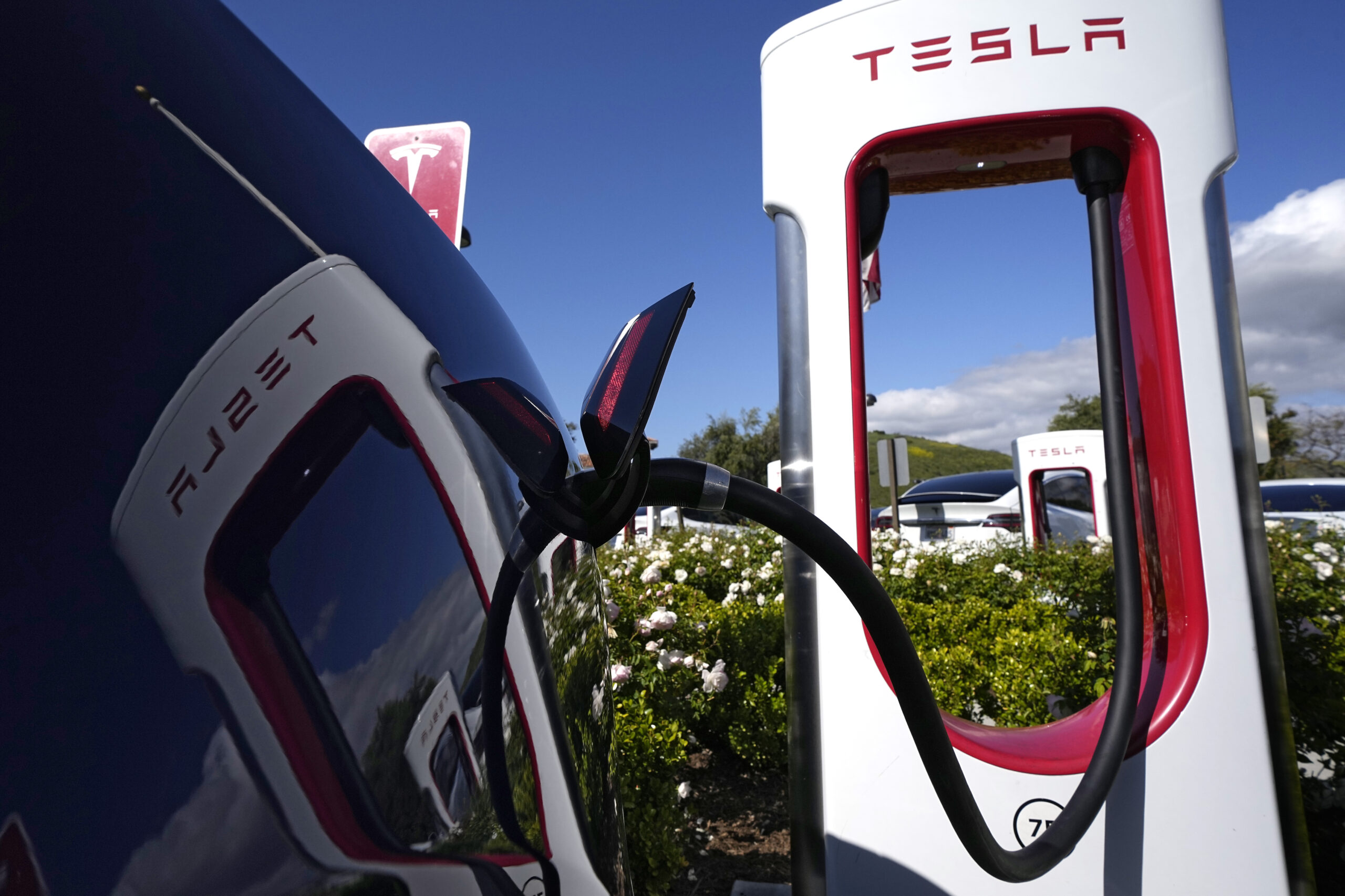
Range and Charging Infrastructure: Consider the driving range of the electric car and the availability of charging infrastructure in your area. If you have a daily commute within the electric car’s range and access to charging stations, it may be a practical choice. Advances in charging infrastructure are continually being made, making electric cars more convenient for many users.
Environmental Impact: Electric cars produce fewer emissions during operation compared to traditional vehicles, especially if the electricity comes from renewable sources. If reducing your carbon footprint is important to you, an electric car may be a good choice.
Resale Value: The resale value of electric cars is influenced by factors such as battery technology, model popularity, and overall market trends. Research the resale values of specific models to gauge their long-term value.
Technology and Features: Electric cars often come with advanced technology and features, including regenerative braking, autopilot capabilities, and smart connectivity. Consider whether these features align with your preferences and needs.
Incentives and Rebates: Many regions offer incentives and rebates for electric vehicle purchases, which can significantly reduce the overall cost. Research the incentives available in your area to see how they may impact your decision.
Infrastructure Development: Consider the rate at which charging infrastructure is expanding in your region. A well-developed charging network enhances the practicality of owning an electric car.
Personal Values: Some people choose electric cars because they align with their environmental values or desire to support sustainable transportation. If these factors are important to you, they may influence your decision.
It’s essential to research and compare specific models, taking into account your driving habits, budget, and local infrastructure. As technology advances and becomes more widespread, electric cars are likely to become an increasingly viable and attractive option for many consumers.
-
This discussion was modified 2 years, 2 months ago by
 Ollie.
-
This discussion was modified 2 years, 2 months ago by
-
Electric car blog that is very informative. https://www.politico.com/news/2023/12/22/electric-vehicle-boom-demise-00133064
politico.com
Why the battle over electric cars is primed to take off
“In my district, … this is not playing well,” GOP Rep. Lisa McClain said. “And let’s be honest, Michigan is a very influential state for the upcoming election.”
-
-
I have an auto loan in my name for my wife’s vehicle. My question is that the loan is about 2 years old and down to about 11,000 owed. Do I refinance now with my credit union?
-
How do you go about getting a lost replacement title for an RV that is under a family members name? Can I get it from DMV or does my family member need to go in person. Trying to transfer RV from my family member to me and the lender needs the title since I am taking out on it.
-
Here are the key differences between hybrid and electric cars:
Power Source:
Hybrid Cars: Hybrids have both an internal combustion engine (usually gasoline) and an electric motor. They can operate on either power source independently or use both simultaneously, depending on driving conditions. The electric motor is typically used at low speeds or during acceleration, while the gasoline engine kicks in at higher speeds.
Electric Cars (EVs): Electric cars are powered solely by an electric motor and rely on electricity stored in a battery for propulsion. They do not have a traditional internal combustion engine and produce zero tailpipe emissions.
Battery Size and Range:
Hybrid Cars: Hybrids have smaller batteries compared to electric cars. These batteries are usually charged through regenerative braking or by the internal combustion engine, and they provide a limited electric-only range. However, hybrids do not need to be plugged in to charge.
Electric Cars (EVs): Electric cars have larger batteries that need to be charged externally, usually by plugging into an electric power source. The size of the battery determines the car’s range on a single charge, which can vary from tens to hundreds of miles depending on the model.
Fuel Efficiency:
Hybrid Cars: Hybrids are designed to improve fuel efficiency by using the electric motor to supplement the gasoline engine, especially in stop-and-go traffic. They achieve better gas mileage compared to traditional gasoline cars, but they still rely on gasoline.
Electric Cars (EVs): Electric cars are highly efficient and have the potential for zero tailpipe emissions, depending on the source of the electricity used for charging. They offer excellent energy efficiency and are considered environmentally friendly if the electricity comes from renewable sources.
Charging Infrastructure:
Hybrid Cars: Hybrids do not require external charging infrastructure since their batteries are charged through the internal combustion engine and regenerative braking. They can be fueled at traditional gas stations.
Electric Cars (EVs): Electric cars need access to charging stations for recharging their batteries. The availability and convenience of charging infrastructure can vary depending on the region, but it is expanding globally.
Environmental Impact:
Hybrid Cars: While hybrids are more fuel-efficient than traditional gasoline cars and produce fewer emissions, they still rely on gasoline and, therefore, contribute to air pollution and carbon emissions.
Electric Cars (EVs): Electric cars produce zero tailpipe emissions, making them environmentally friendly, especially when charged with electricity from renewable sources. However, the overall environmental impact depends on the source of the electricity used for charging.
In summary, hybrid cars combine both internal combustion engines and electric motors, offering improved fuel efficiency but still relying on gasoline. Electric cars, on the other hand, solely rely on electric power and provide the potential for zero emissions, depending on the electricity source.
-
This discussion was modified 1 year, 9 months ago by
 Gustan Cho.
-
This discussion was modified 1 year, 9 months ago by
-
Here are the key differences between hybrid and electric cars:
Power Source:
Hybrid Cars: Hybrids have both an internal combustion engine (usually gasoline) and an electric motor. They can operate on either power source independently or use both simultaneously, depending on driving conditions. The electric motor is typically used at low speeds or during acceleration, while the gasoline engine kicks in at higher speeds.
Electric cars are powered solely by an electric motor and rely on electricity stored in a battery for propulsion. They do not have a traditional internal combustion engine and produce zero tailpipe emissions.
Battery Size and Range:
Hybrid Cars: Hybrids have smaller batteries compared to electric cars. These batteries are usually charged through regenerative braking or by the internal combustion engine, and they provide a limited electric-only range. However, hybrids do not need to be plugged in to charge.
Electric Cars (EVs): Electric cars have larger batteries that need to be charged externally, usually by plugging into an electric power source. The size of the battery determines the car’s range on a single charge, which can vary from tens to hundreds of miles depending on the model.
Fuel Efficiency:
Hybrid Cars: Hybrids are designed to improve fuel efficiency by using the electric motor to supplement the gasoline engine, especially in stop-and-go traffic. They achieve better gas mileage compared to traditional gasoline cars, but they still rely on gasoline.
Electric Cars (EVs): Electric cars are highly efficient and have the potential for zero tailpipe emissions, depending on the source of the electricity used for charging. They offer excellent energy efficiency and are considered environmentally friendly if the electricity comes from renewable sources.
Charging Infrastructure:
Hybrid Cars: Hybrids do not require external charging infrastructure since their batteries are charged through the internal combustion engine and regenerative braking. They can be fueled at traditional gas stations.
Electric Cars (EVs): Electric cars need access to charging stations for recharging their batteries. The availability and convenience of charging infrastructure can vary depending on the region, but it is expanding globally.
Environmental Impact:
Hybrid Cars: While hybrids are more fuel-efficient than traditional gasoline cars and produce fewer emissions, they still rely on gasoline and, therefore, contribute to air pollution and carbon emissions.
Electric Cars (EVs): Electric cars produce zero tailpipe emissions, making them environmentally friendly, especially when charged with electricity from renewable sources. However, the overall environmental impact depends on the source of the electricity used for charging.
In summary, hybrid cars combine both internal combustion engines and electric motors, offering improved fuel efficiency but still relying on gasoline. Electric cars, on the other hand, solely rely on electric power and provide the potential for zero emissions, depending on the electricity source.
-
With technology advancing at lighting speed, many old generation Americans are still catching up on electric cars and hybrid vehicles. Many Americans still are not familiar with electric and hybrid vehicles. A hybrid vehicle is a type of vehicle that utilizes a combination of two or more distinct power sources to propel the vehicle. The most common type of hybrid vehicle is the hybrid electric vehicle (HEV), which combines an internal combustion engine (usually fueled by gasoline) with an electric propulsion system. There are two main types of hybrid electric vehicles:
Parallel Hybrid: In a parallel hybrid, both the internal combustion engine and the electric motor are connected to the transmission and can drive the vehicle simultaneously. The vehicle can operate on either the gasoline engine, the electric motor, or a combination of both, depending on driving conditions and power requirements.
Series Hybrid: In a series hybrid, only the electric motor drives the wheels, while the internal combustion engine acts as a generator to recharge the electric battery or provide additional power when needed. The gasoline engine does not directly drive the wheels but works to generate electricity to power the electric motor.
The goal of hybrid vehicles is to achieve improved fuel efficiency and reduced emissions compared to traditional vehicles that rely solely on internal combustion engines. The electric motor in a hybrid vehicle assists the gasoline engine during acceleration and other high-power demand situations, and it can also operate the vehicle at low speeds or when cruising, relying solely on electric power.
Hybrid technology has evolved over the years, and there are different variations of hybrid systems, including plug-in hybrid electric vehicles (PHEVs), which can be charged externally and have a larger electric-only driving range compared to traditional hybrids.
The benefits of hybrid vehicles include lower fuel consumption, reduced emissions, and increased energy efficiency, making them a popular choice for environmentally conscious consumers.
-
This discussion was modified 1 year, 1 month ago by
 Sapna Sharma.
-
This discussion was modified 1 year, 1 month ago by
-
The biggest fear of electric car owners is running out of electric charge and being stalled. If you were to travel interstate cross country on your electric car and there are no charging stations, what do you do? Here’s a relative of California Governor Gavin Newsom rigging a generator in the back of his electric car because he had enough getting stranded multiple times during his long commute to work. He has a generator and a gas can full of fuel for the generator



























You must be logged in to create new discussions.