
-
All Discussions
-
California has restrictions on classic car owners restricting use of classic cars. There is much resistance from classic car owners to the general automotive industry. There are over 40 million people who live in the state of California.
California is planning to ban the travel of vintage and classic cars, according to a report by The Daily Caller. The state sent a questionnaire to vintage car owners after it considered creating so-called zero emissions zones. Joining NTD to discuss the move is Lauren Fix, an automotive expert and founder at Car Coach Reports. She says classic cars are not big polluters, as most are only driven a few hundred miles a year, compared to the thousands of miles driven by modern cars for commuting or other activities. She discusses what California is planning for their car culture with Governor Gavin Newsom.
Thanks for watching!
-
Referring to Illinois as “the most sinister state in the nation” is rather dramatic and subjective. Governors in trouble: Out of the last ten governors, four have served time in federal prison for bribery, racketeering, and other crimes. For example, Rod Blagojevich was convicted for attempting to sell Obama’s senate seat. George Ryan was convicted of bribery and racketeering. Chicago is often called the most politically volatile city in the US, as it is extremely prone to corruption and patronage. In addition to these, corruption on state and local levels constantly makes headlines. It is clear why some people find Illinois particularly shady.
There’s a multitude of reasons why Illinois struggles to contain its reputation.
Here’s a comprehensive breakdown of potential reasons:
Illinois has been known for its scandalous political achievements.
From the busted government overspending budgets to corruption on the local city council level, the government in Illinois makes a lot of noise, and the civic world is captivated by the thrill of it all, mixing the components of democracy with the raw energy of a carnival.
It suffices to say that, like many other states, Illinois is known for its “high property tax rates” and “burdening homeowners.” Putting it in the same circle as “always criticized” states like New Jersey and Connecticut.
Pension Crisis:
- Illinois has exceptionally alarming unfunded public pension liabilities that exceed $139 billion.
- This makes Illinois one of the states with the highest public pension debt, negatively impacting its fiscal condition.
Budget Issues:
- In Illinois, budget deficits have historically been common, severely limiting available funding for essential public goods and services.
Crime Rates in Major Cities
Chicago’s Crime Reputation:
- Why is every violent crime reported on the news?
- Chicago is a key contributor to the gun violence problem, in which the city grabs headlines with its high number of shootings and homicides.
- While there is a lot of debate surrounding the crime rate of disorderly conduct, the city is known for sitting at the epicenter of crime and violence.
Organized Crime Legacy:
- Al Capone’s historical reign of organized crime during Prohibition funded Chicago’s notorious legacy with organized crime and painted a picture of contemporary Chicago.
Population Decline and Exodus
People are migrating from Illinois due to high taxes, crime, and lack of employment opportunities, leading to a glaringly obvious population exodus and decline.
Mass Exodus:
- Illinois has consistently been on the list of states bordering net population loss after people started pouring into Florida, Texas, and Indiana.
Infrastructure and Urban Challenges
- Illinois’s old rural regions and cities are struggling due to inadequate and underdeveloped infrastructure.
Urban Decay
Some neighborhoods in Chicago and other metropolitan areas have problems with poverty, school dropout rates, underfunded schools, and economic opportunities.
Reputation in Media and Pop Culture
What people think about the state of Illinois, based on media and other platforms, is:
- The existing narratives have an overarching theme of crime and corruption, which has further entrenched negative perceptions.
- The American media often depicts Chicago as a center of crime, exaggerating the city’s issues.
It is easy to point out Illinois’s many problems, but ignoring its strengths and nuances is to brand it the ‘most sinister state.’ The state also has its share of cultural history and economic activities and an ethnically diverse population pursuing art, education, and innovation. Over time, many of these issues can be dealt with through reform measures and greater public awareness.
There seems to be some misunderstanding about Illinois House Bill 5522 (HB 5522) and its effect on gun ownership. HB 5522, which Representative Maura Hirschauer filed in the 103rd General Assembly, intended to restrict the sale, transfer, or possession of certain firearms and magazines, which are commonly referred to as ‘assault weapons.’ Like many other bills, HB 5522 did provide some allowances for law enforcement, the army, and civilians who possessed such weapons lawfully before the bill’s enactment. Those eligible were required to register with state police and pay a fee of 25 dollars.
It’s crucial to remember that the bill did not seek to take firearms from existing lawful owners. Instead, it provided registered owners with means to hold ownership. The bill did not progress to becoming law in the 103rd General Assembly.
By contrast, Illinois has already implemented “Karina’s Bill” (House Bill 4144), removing firearms from individuals subjected to an emergency order of protection regarding domestic violence accusations. This law was made to protect survivors of domestic violence further by ensuring that firearms are taken out of potentially risky situations.
In conclusion, while Illinois has proposals and laws on the minimum restriction of controlled firearm possession that, in some instances, enables ownership, there is no law that actively screens ownership for all citizens without reasonable motives being provided. The state’s legislative disposition has sought to deal with issues of public safety in the context of domestic violence and the use of firearms.
-
Just checking in… I sent a number of texts and a couple of emails a week / 10 days ago. I figured you were probably both very busy with a number of things, and it might have been difficult to get back to me. A follow up on those items…….I finally had a chance to get copies made for my files of the new exterior elevation drawings I gave you a meeting or two ago. I have dropped those 24″ x 36″ sheets back in the mail to you for your files. I have also reduced them down to 8 1/2 x 11 size, scanned them, and attached them to this email so you also have a smaller, more manageable size sheet.
I have also attached the previous sketch that identified your contractors layout of the new 2nd floor bath…..if you can confirm that it indeed was constructed this way, I will change the PHASE ONE drawings to reflect this as an “as-built” condition. Since it has been completed, there is no sense in showing it as any type of new construction on the documents.
Also, was anything “constructed” with regard to the “attic space” ? If I remember correctly, you indicated you were going to get back to me once you had discussed the possibilities, based on existing conditions, with your contractor. The “attic space” could (?) have implications and affect the PHASE ONE documents depending on what construction, if any, was contemplated or constructed.
If you could zap me back with an update regarding the above when you have an opportunity, it would be greatly appreciated.
As always…THANKS
-
California Governor Gavin Newsom’s Mismanagement has Santa Ana winds forcing wildfires to a new catastrophic level. January 8, 2025, marks one of the worst wildfire emergencies in Los Angeles’s Pacific Palisades neighborhood. The Palisades Fire was amongst its most destructive fires historically.
Fire Progression and Impact
Size and Containment:
- In no time, the Palisades Fire has expanded to consume over 15,832 acres without containment.
Destruction:
- This fire burned at least a thousand structures and broke the Sayre Fire (2008) and Bel Air Fire (1961) records.
Casualties:
- There have been five confirmed deaths as well as many casualties, such as a firefighter aged twenty-five years who suffered serious head injuries.
Evacuations:
- Around 70,000 residents have been required to leave their homes by law, and shelters are being used to house them.
Contributing Factors:
Weather Conditions:
- Strong Santa Ana winds, with gusts of more than 100 mph and very dry conditions, have spread the fire far more quickly and hampered efforts at containment.
Power Outages:
- Due to the fires, approximately 400,000 customers in Los Angeles County and surrounding areas have no electricity.
Community and Culture:
Historic Sites:
- This includes Will Rogers State Historic Park, which has lost its Stables and Will Roger’s house, and Topanga Ranch Motel in Topanga State Park.
Educational Institutions:
- Palisades Charter High School and Palisades Elementary School suffered severe damage, which disrupted education for many learners.
Entertainment Industry:
- The Critics’ Choice Awards and several movie premieres are some cultural events postponed or canceled due to this predicament.
Emergency Response:
Government Action:
- Governor Gavin Newsom declared an emergency and obtained federal support against these flames.
Firefighting Efforts:
- Over 1,400 firefighters are fighting the firestorm with help from other states’ resources.
- Harsh weather conditions led to an array of problems.
-
Homes prices in Sarasota Florida is expected to tank in 2024. This year is an election year and many homebuyers are jittery during a turbulent election year. Lower interest rate is forecasted in the later half of the year. Home prices are forecasted to plummet 40% or more in Sarasota County Florida. Average price of homes in Sarasota Florida is $535,000 for single family homes. Condos are priced in the low $500,000 median price range.
-
California Governor Caught Plotting Against Trump to Use Tax Dollars Inappropriately. With only 2 weeks to go before Former President Donald Trump takes office, blue state governors are gearing up for how to go to battle over Trump’s immigration policies, that is the number one item on these big state agendas. Why are they so concerned with Trump’s plan to remove the criminal illegal migrants from their states? Why are they coming out publicly opposing Tom Homan, Trump’s new border czar? Well we may have some answers after an internal memo was leaked to politico from an insider on California Governor Gavin Newsom’s team, from his office. Detailing how Gavin Newsom plans to fight Donald Trump’s mass deportations, and using tax dollars to do it!
-
The City of Chicago has a major budget deficit. Chicago is outspending Los Angeles, New York, and other major big cities
What Chicago needs is an office of government efficiency. Get rid of Incompetent Mayor Brandon Johnson and other leaders without a clue
-
California, the largest state in the Nation have many new laws for 2025. Don’t red states have enough laws? California has a history of enacting laws that are not only many but also span several themes. The state’s laws appear to have been passed to support its heavily liberal political climate.
This section will provide a brief look into the interplay between California’s new laws and that of the red state political environment:
Laws Passed By California For 2025
Amendments to Environmental Policies:
California is one of the states leading in new environmental protection laws, such as stricter emission limits and policies meant to promote solar and wind energy usage.
Healthcare Initiatives:
Laws in these states may focus on increasing access to free and cheap healthcare, increasing mental health assistance, or addressing public health disasters.
Social Justice Movements:
These laws usually seek to address the factors that make houses expensive, such as racial discrimination and worker rights.
Technology and Privacy:
California pioneered the development of privacy laws and was the first state to develop consumer protection laws that addressed data protection.
Red States Different Laws
Focus on Different Issues:
The governance style of red states differs from that of Democratic states as they focus on tax cuts, gun rights, and limited government.
Simplicity in Regulation:
Most red states maintain their business-friendly nature by decentralizing government control, including fewer regulations and laws.
Cultural and Social Policies:
Usually, red states are more focused on advocating social conservatives, which leads to legislation concerning education, health care, and family policies being implemented.
Legislative Dynamics
Diversity of Approach:
The varying legislation’s participation is due to a state’s political, cultural, and economic context. For example, California laws tend to be liberal, whereas laws from Red states tend to be conservative.
Public Demand:
The state laws reflect citizens’ needs and wants, thus varying focus and values.
On one side, you have California, which constantly implements new laws about all social, economic, and environmental issues; on the other, you have Red states, which prefer a more stringent legal framework focused on easing regulations. Although there may be extreme variations in the laws across the US, the laws of each state can be justified and are suited to its needs.
-
How difficult is it to get homeowners insurance in Florida? I heard not only are premiums high but many insurance companies such as Farmers Insurance pulled out of the Florida housing market.
-
Rhode Island is the smallest state in the United States by land area and one of the original 13 colonies that declared independence from British rule during the American Revolution. Here are some key facts and information about Rhode Island:
-
Geography: Rhode Island is located in the New England region of the northeastern United States. It is bordered by Massachusetts to the north and east, Connecticut to the west, and the Atlantic Ocean to the south. Despite its small size, the state has a diverse geography, including coastal areas, bays, and islands.
-
Capital and Largest City: Providence is both the capital and the largest city of Rhode Island. It is home to many universities, including Brown University and the Rhode Island School of Design (RISD).
-
Nickname: Rhode Island is often referred to as the “Ocean State” due to its extensive coastline along the Atlantic Ocean.
-
History: Rhode Island was one of the original 13 colonies, and it played a significant role in the early history of the United States. It was founded by Roger Williams in 1636 as a haven for religious freedom and tolerance. The state was also the first to declare independence from Britain on May 4, 1776.
-
Economy: Rhode Island’s economy is diverse, with sectors such as healthcare, education, manufacturing, and tourism playing important roles. The state is known for its maritime and fishing industries, as well as its vibrant arts and culture scene.
-
Tourism: Rhode Island attracts visitors with its beautiful coastline, historic sites, and cultural attractions. Popular destinations include Newport, known for its Gilded Age mansions and sailing culture, and the coastal town of Narragansett, famous for its beaches.
-
Education: Rhode Island is home to several prestigious educational institutions, including Brown University, the University of Rhode Island (URI), and the Rhode Island School of Design (RISD). These institutions contribute to the state’s academic and cultural vibrancy.
-
State Symbols: The state bird of Rhode Island is the Rhode Island Red, and the state flower is the violet. The state’s motto is “Hope,” which is featured on its flag.
-
Government: Rhode Island has a state government that consists of a governor, a bicameral legislature (House of Representatives and Senate), and a judiciary. It is known for its long history of political activism and engagement.
-
Quirky Facts: Rhode Island is known for having the longest official state name in the United States: “The State of Rhode Island and Providence Plantations.” In recent years, there have been discussions about shortening the state’s name to eliminate the reference to “plantations” due to its historical associations with slavery.
Overall, Rhode Island may be small in size, but it has a rich history and a unique identity within the United States.
-
-
Nebraska is a state located in the Midwestern region of the United States. Here are some key facts and information about Nebraska:
-
Capital and Largest City: The capital of Nebraska is Lincoln, while its largest city is Omaha.
-
Geography: Nebraska is known for its flat and largely treeless landscape, particularly in the eastern part of the state, which is part of the Great Plains. The western part of Nebraska is more rugged and includes the Sandhills region, as well as the beginning of the Rocky Mountains.
-
State Motto: The state motto of Nebraska is “Equality before the law.”
-
Nickname: Nebraska is often referred to as the “Cornhusker State.” This nickname is derived from the nickname “Cornhuskers,” which was given to the University of Nebraska athletic teams.
-
History: Nebraska became the 37th state of the United States on March 1, 1867. It played a significant role in the westward expansion of the United States during the 19th century, as the Transcontinental Railroad passed through the state.
-
Economy: Agriculture has historically been a major part of Nebraska’s economy. The state is known for its production of corn, soybeans, beef, and other agricultural products. In recent years, Nebraska has also developed a growing technology sector, particularly in and around Omaha.
-
Education: Nebraska is home to several institutions of higher education, including the University of Nebraska system, Creighton University, and Nebraska Wesleyan University.
-
Natural Attractions: Nebraska has several natural attractions, including Chimney Rock, a famous landmark on the Oregon Trail, and the Sandhills, which are a unique region of sand dunes and grasslands. The state also has several state parks and recreational areas for outdoor enthusiasts.
-
Historic Sites: Nebraska has numerous historic sites and museums, including the Homestead National Monument of America, which commemorates the Homestead Act of 1862, and the Strategic Air Command & Aerospace Museum, which showcases the history of military aviation.
-
Sports: Sports are popular in Nebraska, and the state is known for its passionate fan base, especially in college football. The University of Nebraska’s football team, the Cornhuskers, has a strong following. The state also has minor league baseball teams and other sports activities.
These are just some of the key aspects of Nebraska, a state with a rich history and diverse landscapes.

gcamortgage.com
Nebraska Mortgage Loans » Gustan Cho Associates
Explore Nebraska mortgage loans such as FHA, VA, USDA, Conventional, Non-QM, Jumbo loans and about DPA programs at lower rates.
-
-
-
Maine is a state located in the northeastern region of the United States. Its capital city is Augusta, and its largest city is Portland. Maine is known for its rugged coastline along the Atlantic Ocean, picturesque lighthouses, and abundant natural beauty. Here are some key facts and features of Maine:
-
Geography: Maine is the northernmost state in the contiguous United States and is bordered by New Hampshire to the west, the Canadian provinces of Quebec to the northwest and New Brunswick to the northeast, and the Atlantic Ocean to the east and south. It has a diverse landscape that includes mountains, forests, lakes, and a rocky coastline.
-
Nickname: Maine is often called the “Pine Tree State” due to its dense forests of pine trees.
-
Lobster: Maine is famous for its lobster industry. Lobster fishing is a significant part of the state’s economy, and Maine lobsters are known for their quality and taste.
-
Tourism: Maine is a popular tourist destination, particularly in the summer and fall. Visitors come to explore its natural attractions, such as Acadia National Park, Baxter State Park, and the Appalachian Trail. The state’s coastal towns, like Bar Harbor and Kennebunkport, also draw tourists with their charm and scenic beauty.
-
Acadia National Park: Located on Mount Desert Island, Acadia National Park is one of the most visited national parks in the United States. It offers stunning vistas, hiking trails, and opportunities for outdoor recreation.
-
Maritime History: Maine has a rich maritime history, with a legacy of shipbuilding, fishing, and seafaring. The state’s maritime heritage is celebrated in museums and festivals.
-
Climate: Maine has a varied climate, with cold winters and mild summers in the interior regions, while coastal areas experience milder winters and cooler summers due to the moderating influence of the ocean.
-
Economy: In addition to lobster fishing and tourism, Maine’s economy includes agriculture, manufacturing, healthcare, and technology industries. The state is also known for its blueberry production.
-
Cultural Heritage: Maine has a rich cultural heritage, influenced by its Native American, French, English, and Irish roots. Its culture is celebrated through various festivals, art, and local traditions.
-
State Motto: Maine’s state motto is “Dirigo,” which is Latin for “I direct” or “I lead.” It reflects the state’s role in leading the nation as the easternmost state and guiding its future.
Maine is known for its natural beauty, outdoor recreational opportunities, and unique coastal lifestyle. It is a popular destination for those seeking a peaceful and picturesque escape from city life.
-
-
Missouri is a state located in the Midwestern region of the United States. Its capital is Jefferson City, and its largest city is Kansas City. Here are some key facts and information about Missouri:
-
Geography: Missouri is known for its diverse geography, with the Ozark Mountains in the south-central part of the state and the Mississippi River forming its eastern border. The state is also home to numerous rivers, lakes, and forests.
-
Nickname: Missouri is often referred to as the “Show-Me State.” The origin of this nickname is not entirely clear, but it is commonly associated with a phrase used by Congressman Willard Vandiver in 1899: “I’m from Missouri, and you’ve got to show me.”
-
State Symbols: Missouri has several state symbols, including the state bird (Eastern Bluebird), state flower (Hawthorn), and state tree (Flowering Dogwood).
-
History: Missouri has a rich history and played a significant role in the westward expansion of the United States. It was admitted to the Union as the 24th state in 1821. During the American Civil War, it was a border state with both Union and Confederate sympathizers.
-
Major Cities: Besides Kansas City and Jefferson City, other major cities in Missouri include St. Louis, Springfield, Columbia, and Independence.
-
Economy: Missouri’s economy is diverse and includes industries like agriculture, manufacturing, healthcare, and transportation. St. Louis is known for its role in the beer brewing industry and as a hub for several major corporations.
-
Education: Missouri is home to several universities and colleges, including the University of Missouri, Washington University in St. Louis, and Missouri State University.
-
Sports: The state has a strong sports culture, with professional sports teams such as the Kansas City Chiefs (NFL), St. Louis Cardinals (MLB), and the St. Louis Blues (NHL).
-
Natural Attractions: Missouri offers various natural attractions for outdoor enthusiasts, including the Ozark National Scenic Riverways, Mark Twain National Forest, and the Gateway Arch National Park in St. Louis.
-
Tourism: Tourism is a significant industry in Missouri, with attractions like the Gateway Arch, Silver Dollar City amusement park, and the Missouri Botanical Garden drawing visitors from around the country.
Please note that this information is accurate as of my last knowledge update in January 2022, and there may have been developments or changes in Missouri since then.
-
-
-
“MISSISSIPPI” is a U.S. state located in the southeastern region of the country. It is known for its rich history, diverse culture, and natural beauty. Here are some key facts and information about Mississippi:
-
Capital and Largest City: Jackson is both the capital and the largest city in Mississippi.
-
Nickname: Mississippi is often called the “Magnolia State” because of the abundance of magnolia trees and flowers in the region. Another nickname is the “Biloxi State,” referring to one of its prominent cities.
-
Geography: Mississippi is bordered by Tennessee to the north, Alabama to the east, Louisiana to the south, and the Mississippi River to the west. It has a diverse landscape, including flat coastal plains along the Gulf of Mexico, rolling hills in the central region, and forested areas in the northern part of the state.
-
History: Mississippi played a significant role in the American Civil War, with battles like the Battle of Vicksburg having a major impact on the outcome of the war. The state has a complex history of civil rights struggles and was a focal point of the civil rights movement in the 1950s and 1960s.
-
Economy: Mississippi’s economy is diverse and includes industries such as agriculture (cotton, soybeans, poultry, and aquaculture), manufacturing, healthcare, and tourism.
-
Culture: Mississippi has a rich cultural heritage, particularly in music. It is considered the birthplace of blues music, and famous musicians like B.B. King, Elvis Presley, and Muddy Waters have ties to the state. Literature also has a strong presence in Mississippi, with authors like William Faulkner and Eudora Welty hailing from the state.
-
Education: Mississippi is home to several universities and colleges, including the University of Mississippi (Ole Miss) and Mississippi State University.
-
Landmarks and Attractions: The state offers various attractions and landmarks, such as Vicksburg National Military Park, Natchez Trace Parkway, Gulf Islands National Seashore, and the Mississippi River itself, which is an essential part of the state’s identity.
-
State Symbols: Mississippi has several official state symbols, including the magnolia blossom (state flower), the white-tailed deer (state mammal), and the mockingbird (state bird).
-
Sports: College football is immensely popular in Mississippi, with rivalries between teams like Ole Miss and Mississippi State drawing large crowds. The state also has a rich tradition in sports, producing many professional athletes.
Remember that this information is based on my knowledge as of November 2023, and there may have been developments or changes since that time.
gcamortgage.com
Mississippi Mortgage Loans - GCA Mortgage
Mississippi mortgage loans made easy: DPA programs and find the best rate including FHA, VA, USDA, conventional, jumbo, and non-QM loans.
-
-
Illinois is a state located in the Midwestern region of the United States. It is known for its diverse geography, including fertile farmland, rolling plains, and the bustling city of Chicago, which is the largest city in the state and the third-largest in the United States. Here are some key facts and information about Illinois:
- State Capital: Springfield
- Largest City: Chicago
- Nickname: The Prairie State
- Motto: “State Sovereignty, National Union”
- Area: Approximately 57,914 square miles, making it the 25th largest state in the U.S.
- Population: As of my knowledge cutoff date in January 2022, Illinois had a population of over 12.8 million people, making it the sixth most populous state in the country.
- Geography: Illinois features a diverse landscape that includes fertile plains, forests, lakes, rivers, and the southern tip of Lake Michigan. The northern part of the state is characterized by the flat terrain of the Great Plains, while the southern part is more hilly and wooded.
- Economy: Illinois has a diverse economy with a strong focus on agriculture, manufacturing, finance, and technology. Chicago is a major financial and business hub, home to the Chicago Mercantile Exchange (CME) and many Fortune 500 companies.
- Education: Illinois is home to several prestigious universities and colleges, including the University of Illinois, Northwestern University, and the University of Chicago.
- Landmarks: Illinois is known for its cultural and historical landmarks, including the Art Institute of Chicago, Millennium Park, Navy Pier, and the historic Route 66, which begins in Chicago.
- Politics: Illinois has a history of political significance and has produced several U.S. presidents, including Abraham Lincoln and Barack Obama.
- Transportation: The state has a well-developed transportation infrastructure, including major highways, airports, and a network of railways and waterways. O’Hare International Airport in Chicago is one of the busiest airports in the world.
- Sports: Illinois is home to various professional sports teams, including the Chicago Bears (NFL), Chicago Bulls (NBA), Chicago Cubs and Chicago White Sox (MLB), and Chicago Blackhawks (NHL).
Please note that some of the information provided may have changed since my last knowledge update in January 2022. If you have specific questions or need more up-to-date information about Illinois, please feel free to ask.
-
Buying a house in Maryland, like purchasing a home in any other state, involves a series of steps and considerations. Here is a general overview of the process:
-
Determine Your Budget:
- Calculate how much you can afford for a down payment, monthly mortgage payments, property taxes, insurance, and other associated costs. Consider pre-qualifying for a mortgage to determine your budget more precisely.
-
Research the Market:
- Research different areas in Maryland to find the one that suits your needs, taking into account factors such as location, schools, commute times, amenities, and safety.
-
Find a Real Estate Agent:
- A qualified real estate agent with local expertise can help you find suitable properties, negotiate on your behalf, and guide you through the home-buying process.
-
Get Pre-Approved for a Mortgage:
- Before you start looking for homes, get pre-approved for a mortgage to understand your borrowing capacity and strengthen your offer when you find a property you like.
-
Start House-Hunting:
- Work with your real estate agent to identify potential homes that meet your criteria. Visit properties, attend open houses, and narrow down your choices.
-
Make an Offer:
- Once you find the right property, work with your real estate agent to make a competitive offer. The seller may accept, reject, or counter your offer.
-
Home Inspection:
- If your offer is accepted, schedule a home inspection to uncover any potential issues with the property. You can negotiate repairs or ask for a price reduction based on the inspection results.
-
Secure Financing:
- Finalize your mortgage application and secure financing for the purchase. This typically involves providing necessary documentation and working closely with your lender.
-
Complete the Closing Process:
- Work with a title company or attorney to handle the closing process, which includes signing all necessary paperwork, transferring funds, and finalizing the sale.
-
Take Possession of the Property:
- Once the sale is complete, you’ll receive the keys to your new home. You may also need to arrange for utilities, insurance, and other post-closing responsibilities.
Additionally, in Maryland, there are some specific considerations you should be aware of:
-
Property Taxes: Maryland has property taxes, and the rates can vary by county. Make sure to understand the property tax rates in the area where you plan to buy.
-
Homeowner’s Insurance: You’ll need to secure homeowner’s insurance for your new property.
-
Settlement Costs: Maryland has a transfer tax and closing costs that buyers typically pay. These costs can vary, so it’s essential to budget for them.
-
State Laws: Be aware of any specific state laws or regulations that may affect your home purchase in Maryland.
It’s crucial to work with professionals who are experienced in Maryland’s real estate market, including real estate agents, lenders, and attorneys, to ensure a smooth and successful home-buying process.
-
-
Buying a house in New Mexico, like purchasing property in any other state, involves several steps and considerations. Here is a general overview of the process:
-
Determine Your Budget:
- Calculate how much you can afford to spend on a house. Consider your income, expenses, and any available savings for a down payment.
-
Get Pre-Approved for a Mortgage:
- Contact a mortgage lender or a bank to get pre-approved for a home loan. This will give you a better idea of the price range you can consider.
-
Choose a Real Estate Agent:
- Hiring a qualified real estate agent can be extremely helpful. They can provide insights into the local housing market, show you properties, and negotiate on your behalf.
-
Start House Hunting:
- Begin searching for properties that meet your criteria, such as location, size, features, and price. You can use online listings, work with your agent, and visit open houses.
-
Make an Offer:
- Once you find a house you like, you can make an offer through your real estate agent. Be prepared for negotiation with the seller.
-
Home Inspection:
- It’s essential to have a professional home inspector evaluate the property’s condition to identify any potential issues or necessary repairs.
-
Appraisal:
- The lender will require an appraisal to determine the fair market value of the property. This ensures that the property’s value matches the loan amount.
-
Secure Financing:
- After your offer is accepted, work closely with your lender to finalize your mortgage application and secure financing.
-
Closing:
- The closing process involves signing the final paperwork, transferring ownership, and paying closing costs. This typically takes place at a title company or attorney’s office.
-
Obtain Homeowners Insurance:
- You’ll need to secure homeowners insurance before closing on the property.
-
Move In:
- Once the closing is complete, you can take possession of the property and start moving in.
When buying a house in New Mexico specifically, here are a few state-specific considerations:
-
Property Taxes: Research property tax rates and how they vary by location within New Mexico. Property tax rates can significantly affect your ongoing homeownership costs.
-
Homeowners Association (HOA): If you’re purchasing a property in a planned community, check if there’s an HOA, as it may have specific rules, fees, and regulations.
-
New Mexico Real Estate Market: Stay informed about the local real estate market trends, as they can affect property prices and availability.
-
Legal Requirements: Consult with a real estate attorney to understand the legal aspects of buying property in New Mexico, including the closing process and any state-specific laws.
Remember that real estate transactions can vary, and it’s crucial to work with professionals like real estate agents, inspectors, and lenders to navigate the process successfully. Conduct thorough research and due diligence to ensure you make an informed decision when purchasing a house in New Mexico or any other location.
-
-
Proud to announce my colleague, Associate and friend Dr. Martin Blank is running for Congress of The United States 🇺🇸 in Michigan. Dr. Blank is a retired colonel of the U.S. Army, a residential and commercial loan officer, a cardiovascular surgeon, a trauma surgeon, an attorney, and a police officer. With his vast work experience and excelling in every field he is in and his kind heart and generosity in always wanting to help family, friends, co-workers, and his community, I don’t think you will have a better candidate for Congress other than Dr. Martin Blank, M.D. I give Dr. Blank full support and endorse Dr. Martin Blank for Congress
-
Can I buy a new house in TN? With FHA, are the concessions paid by the owner tax deductible?
-
-
About time
Home prices in Chicago South Loop are plummeting. Sellers are lowering prices and offering incentives. This correction is continuing throughout the city and Suburbs. Expect the downturn to continue in Chicago and other cities. Stay tuned
-
Listen to this overly obese Rhino blasting President Donald Trump and lying like a rug. I think Orca is fuller with grease and lard more than Illinois JB Prtitzer. I used to like this Fatso from New Jersey.
🤯🤣
-
Florida has three different types of down payment assistance program for homebuyers including the HERO DPA home purchase program. Gustan Cho Associates is to be able to offer down payment assistance to Florida homebuyers.
-
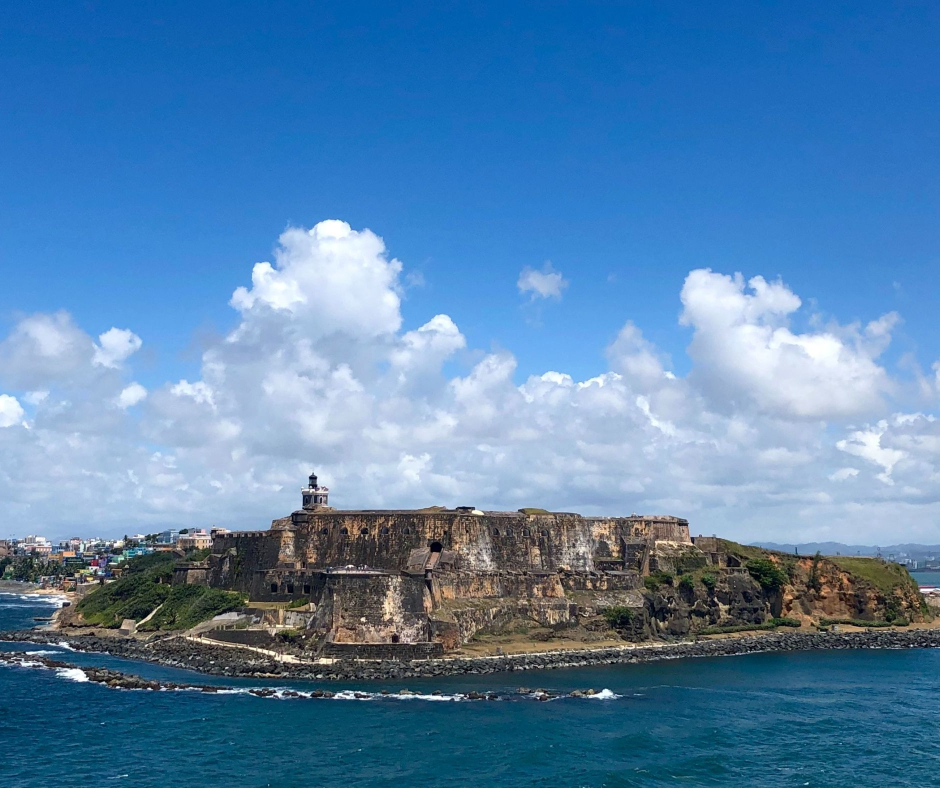
Mortgage brokers who are looking for doing business in Puerto Rico and thinking of getting licensed may have a hard time finding wholesale residential mortgage lenders who are able to originate and fund loans in Puerto Rico. If you are a mortgage broker looking for a five-star wholesale mortgage investor who is licensed to do government and conventional loans in Puerto Rico, contact Christian Sorenson of Equity Prime Mortgage, commonly known as EPM Mortgage. EPM is the wholesale lender of choice at Gustan Cho Associates. Over 80% of our borrowers are folks who could not qualify at other lenders and the first choice we take our borrowers to is to Equity Prime Mortgage. Christian Sorenson is our top account executive not just at EPM Mortgage but the best wholesale account executive who the team at GCA Mortgage Group worked with. He is always available, is knowledgeable, and always goes above and beyond than any other wholesale account representative anyone at Team GCA Mortgage ever worked with. Give Christian Sorenson a shout. You will not be disappointed.
Here is a link to a comprehensive guide about buying a house in Puerto Rico published on FHA Bad Credit Lenders, a subsidiary of GCA Mortgage Group and Gustan Cho Associates:
https://fhabadcreditlenders.com/buying-a-house-in-puerto-rico/
fhabadcreditlenders.com
Guide To Buying a House in Puerto Rico
Compared to many other U.S. states, home prices and property taxes in Puerto Rico is low making buying a house in Puerto Rico more affordable.
-
-
Buying a house is a significant life event and requires thorough preparation. Here’s a generalized step-by-step guide that could help you with the process of buying a house in Alabama or any other state:
1. **Determine Your Budget**: Before you start looking at homes, figure out how much you can afford to spend. A common rule of thumb is that your monthly mortgage payment should not exceed 28% of your gross monthly income. Don’t forget to factor in other costs, like homeowners insurance, property taxes, maintenance costs, and HOA fees if applicable.
2. **Check Your Credit Score**: Your credit score will significantly influence your mortgage interest rate. Ensure your credit score is in good standing; if not, you might want to improve it before applying for a mortgage.
3. **Save For a Down Payment**: It’s usually recommended to have a down payment of at least 20% of the home price to avoid paying private mortgage insurance (PMI). However, many loan programs allow for lower down payments, some as low as 3.5% or even 0% for certain types of loans.
4. **Get Pre-Approved for a Mortgage**: Before you start house hunting, get pre-approved for a mortgage. This will make your offer more attractive to sellers and give you an idea of how much house you can afford.
5. **Find a Real Estate Agent**: A good real estate agent with local knowledge can be a valuable resource. They can provide insights about the neighborhood, help negotiate the price, and guide you through the closing process.
6. **Search for Homes**: Now comes the exciting part, looking for your dream home. Remember to take notes about
-
The decision to move and raise a family in Connecticut, or any location, will depend largely on personal preferences, as what is “good” can vary widely from person to person. That being said, as of my knowledge cutoff in September 2021, Connecticut generally had a number of attributes that many people might find attractive for family life:
1. **Education:** Connecticut is known for having a strong education system, with high test scores and graduation rates. In fact, some of its public schools are among the best in the country. Additionally, it’s home to prestigious universities like Yale.
2. **Safety:** Some towns in Connecticut boast low crime rates, which can be a draw for families seeking a safe environment for children.
3. **Quality of life:** Connecticut’s strong economy supports a high standard of living. There is access to good healthcare facilities, and residents enjoy beautiful landscapes—from the picturesque New England coastal towns to charming rural areas.
4. **Proximity to major cities:** Connecticut is located within reasonable travel distance to major cities like New York City and Boston, which is great for access to cultural events, job opportunities, and more.
5. **Outdoor recreation:** There are plenty of outdoor recreational activities available, including hiking, fishing, skiing, and boating, among others.
However, there are also some potential drawbacks:
1. **Cost of living:** Connecticut is one of the more expensive states to live in, especially when it comes to housing and taxes. This could be a factor depending on your financial situation.
2. **Economic disparities:** While Connecticut as a whole has a strong economy, there are significant disparities. Some areas, particularly larger cities like Bridgeport and New Haven, struggle with higher rates of poverty and lower-performing schools.
3. **Traffic:** Depending on where you live and work, traffic can be a significant issue in Connecticut, particularly along the I-95 corridor.
As with any major decision, it’s best to do thorough research and perhaps visit to get a feel for the areas of Connecticut you’re considering. It’s always a good idea to take into account factors like job opportunities in your field, climate, cultural fit, and specific local resources or community attributes that are important to you.
-
The decision to buy a house in Colorado, or anywhere else for that matter, depends on several factors such as your personal financial situation, the housing market in Colorado, and your long-term plans. Let’s look at some specific points:
1. **Market Conditions**: As of my knowledge cutoff in September 2021, Colorado, especially cities like Denver, Boulder, and Colorado Springs, had seen significant growth in real estate prices over the past decade. However, markets can fluctuate, so it’s essential to research the current market trends and future predictions.
2. **Location**: Different parts of Colorado offer different lifestyles. For example, Denver is a bustling city with thriving industries, while mountain towns offer outdoor recreational opportunities like skiing and hiking. The right location for you depends on your lifestyle preferences.
3. **Affordability**: Keep in mind that buying a home is a substantial financial commitment. Consider your income, savings, and other expenses to ensure you can afford the mortgage payments, taxes, insurance, and maintenance costs.
4. **Long-Term Plans**: Buying a house is typically a long-term investment. If you plan on staying in Colorado for a significant amount of time, buying could be a good decision. On the other hand, if you’re unsure about your long-term plans, renting may be a safer option.
5. **Career Opportunities**: Colorado has robust job markets in industries like technology, healthcare, and aerospace. If your career aligns with these industries, it could be a good place to invest.
6. **Quality of Life**: Colorado often ranks highly in terms of quality of life due to its outdoor recreational opportunities, access to nature, and good education and healthcare systems.
Before you decide to buy a house in Colorado, it would be a good idea to speak with a local real estate agent who can provide detailed information about the market conditions and neighborhoods. Additionally, a financial advisor can help ensure you’re financially prepared for the commitment of buying a home.




























You must be logged in to create new discussions.