 Dual-Licensed Mortgage and Real Estate Professionals
 Dawn
Dual-Licensed Mortgage and Real Estate ProfessionalsForum Replies Created
-

Dawn
MemberMay 4, 2024 at 5:53 pm in reply to: Can Mortgage Loan Originators Be Paid By 1099 and W2The compensation structure for mortgage loan originators (MLOs) can be complex due to varying state laws and federal regulations. Here’s a clearer breakdown of the key points regarding MLO compensation as W-2 employees or 1099 independent contractors:
Federal Regulations
- Dodd-Frank Act: Under Regulation Z of the Truth in Lending Act, compensation for loan originators can be as W-2 wages or as 1099 income. This regulation acknowledges both forms of compensation without a specific mandate for one over the other. More details can be found in the federal register documents linked in your message.
- HUD Requirements: Direct Endorsement (DE) lenders must compensate affiliated loan originators as W-2 employees for FHA loans. However, third-party originators who are not DE approved by HUD can be compensated as W-2 or 1099 contractors.
- IRS Rules: According to the IRS, the classification of an MLO as a W-2 employee or a 1099 contractor depends on the degree of control the employer has over the work and the worker’s independence. This affects how payroll taxes are handled.
State Requirements
- Varied Requirements: States differ in how MLOs must be compensated. For instance, New Jersey requires W-2 compensation for MLOs to align with employment standards and direct supervision by the licensed lender. Conversely, Florida allows MLOs to be either employees or independent contractors.
- Specific Regulations: Each state has specific regulations that must be directly verified for compliance, as the rules for MLO compensation under state laws vary significantly.
Practical Implications
- Flexibility in Classification: At the federal level, loan originators can be classified as employees or independent contractors, as evidenced by NMLS registration options that include W-2 and 1099 classifications.
- State Compliance: Lenders and MLOs must comply with the states’ laws to avoid legal complications.
In conclusion, while federal law does not mandate specific compensation for loan originators, state laws may impose specific requirements. MLOs and their employers must carefully check state and federal regulations to determine the appropriate compensation structure. This nuanced approach helps to navigate the complexities of MLO compensation across different jurisdictions.
See 12 CFR Part 1026 https://www.federalregister.gov/documents/2013/02/15/2013-01503/loan-originator-compensation-requirements-under-the-truth-in-lending-act-regulation-z#footnote-132-p11352, pg. 11352. See also https://files.consumerfinance.gov/f/201301_cfpb_final-rule_loan-originator-compensation.pdf, pgs. 262-63, 274, and 517. If 1099 compensation were not permissible under the Reg. Z it would have been stated therein. On the contrary, Reg. Z specifically refers to both W-2 and 1099 as types of compensation.

federalregister.gov
Loan Originator Compensation Requirements Under the Truth in Lending Act (Regulation Z)
The Bureau of Consumer Financial Protection (Bureau) is amending Regulation Z to implement amendments to the Truth in Lending Act (TILA) made by the Dodd-Frank Wall Street Reform and Consumer Protection Act (Dodd-Frank Act). The final rule implements requirements and … Continue reading
-
Dawn
MemberMay 4, 2024 at 5:34 pm in reply to: Can a Mortgage Loan Originator Be Paid By 1099 in Illinois?In Illinois, the compensation structure for loan officers can vary, and it’s essential to understand the rules. Let’s break it down:
- Federal Requirements:
- Dodd-Frank: The Truth in Lending Act (Regulation Z) addresses loan originator compensation. It allows for both W-2 and 1099 compensation. Loan originators can receive income reported on a W-2 or a 1099 form.
- HUD (Department of Housing and Urban Development): FHA-approved lenders must compensate individuals on a W-2 basis. However, this requirement applies only to direct endorsement (DE) lenders writing FHA loans. Third-party originators not approved by HUD do not fall under the W-2 requirement1.
- IRS Common Law Rules: The IRS considers behavioral control, financial control, and the relationship between parties to determine whether compensation should be classified as W-2 or 1099. The responsibility for remitting payroll taxes depends on this classification1.
- State-Specific Regulations:
- While federal law doesn’t mandate W-2 compensation for loan originators, state laws may differ. It’s crucial to check Illinois-specific regulations to ensure compliance.
- NMLS (Nationwide Multistate Licensing System):
In summary, loan officers in Illinois can be paid via 1099, but it’s essential to consider both federal and state requirements. Always consult legal and financial professionals to ensure compliance with the specific rules that apply to your situation.
innovativemlo.com
W-2 vs. 1099 Compensation Not so Fuzzy After All
Successfully capture and write more business on Innovative's 100% compensation platform. Set your own compensation. Learn More.
- Federal Requirements:
-
I am seeing a lot more loan officers leaving the Mortgage Industry daily.
-
Great tiny house. Amazing how beautiful these manufactured homes that are tiny houses are.
-
When does the three day time clock start. If the loan closed today, Monday April 22, 2024, when is the three day over and a refinance loan going to fund?
-
Dawn
MemberApril 22, 2024 at 9:38 pm in reply to: First Responder From Miami Started New Firefighter job in WisconsinLOL. Need to get accustomed to the weather in Wisconsin.
-
Dawn
MemberApril 22, 2024 at 9:29 pm in reply to: How to remove all temporary files of your computerRemoving temporary files from your computer can help free up disk space and potentially speed up your system. Here’s how to remove temporary files on both Windows and macOS systems:
For Windows Users
Using the Disk Cleanup Tool:
- Search for Disk Cleanup: Press the Windows key, type “Disk Cleanup”, and press Enter.
- Select the Drive: If prompted, choose the drive you want to clean up (usually C: drive) and click OK.
- Choose Files to Delete: The tool will scan for temporary files. Check the boxes next to “Temporary files” and any other categories you wish to clean, such as “Recycle Bin” or “Temporary Internet Files”.
- Click OK: Press OK to clean up the selected files and then confirm the deletion when prompted.
Using Settings:
- Open Settings: Press the Windows key + I to open Settings.
- Go to System: Click on “System”, then select “Storage”.
- Manage Temporary Files: Under the “Local Disk” section, click on “Temporary files”. Windows will take a moment to calculate how much space you can free up.
- Select and Remove: Choose the temporary files you want to delete (including temporary files, downloads folder, recycle bin, etc.), then click “Remove files”.
For macOS Users
Using Finder:
- Open Finder: Click on Finder to open a new window.
- Go to Folder: In the menu bar at the top, click “Go” and select “Go to Folder”.
- Enter Path: Type in
~/Library/Cachesand press Enter to navigate to the caches folder. Here, you can manually delete cache folders or files from different applications.
Note: Be cautious about what you delete. If unsure, consider deleting only the contents inside each app’s folder, not the folder itself.
Using Storage Management:
- Open About This Mac: Click on the Apple icon in the upper left corner of your screen, and select “About This Mac”.
- Manage Storage: Navigate to the “Storage” tab and click “Manage…”.
- Optimize Storage: Here, you can review recommendations for optimizing your storage, which may include emptying the trash, reviewing large files, and removing iOS backups and cache files.
Using Third-Party Cleaning Apps: There are also third-party applications for both Windows and macOS that can help clean temporary files and other unwanted data. Some popular options include CCleaner (for both Windows and macOS), CleanMyMac, and OnyX (for macOS). Be cautious when selecting third-party software; ensure it is reputable and trusted by reviewing user feedback and security features.
Important: Always make sure you have backups of your important data before deleting files, especially when clearing cache or temporary files manually. It ensures you don’t accidentally lose important data.
-
President John F. Kennedy was assassinated on November 22, 1963, in Dallas, Texas. He was riding in a motorcade through Dealey Plaza when he was fatally shot. The official investigation by the Warren Commission concluded that the assassin was Lee Harvey Oswald, who acted alone. Oswald fired three shots from the sixth floor of the Texas School Book Depository Building, hitting the President twice — once in the neck and once in the head.
The assassination has been the subject of extensive investigations and numerous conspiracy theories that suggest other people or groups were involved. However, the Warren Commission’s finding that Oswald was the sole gunman remains the most widely accepted explanation by historians and researchers. Kennedy’s death marked a pivotal moment in U.S. history, deeply affecting the nation and shaping the collective American memory.
-
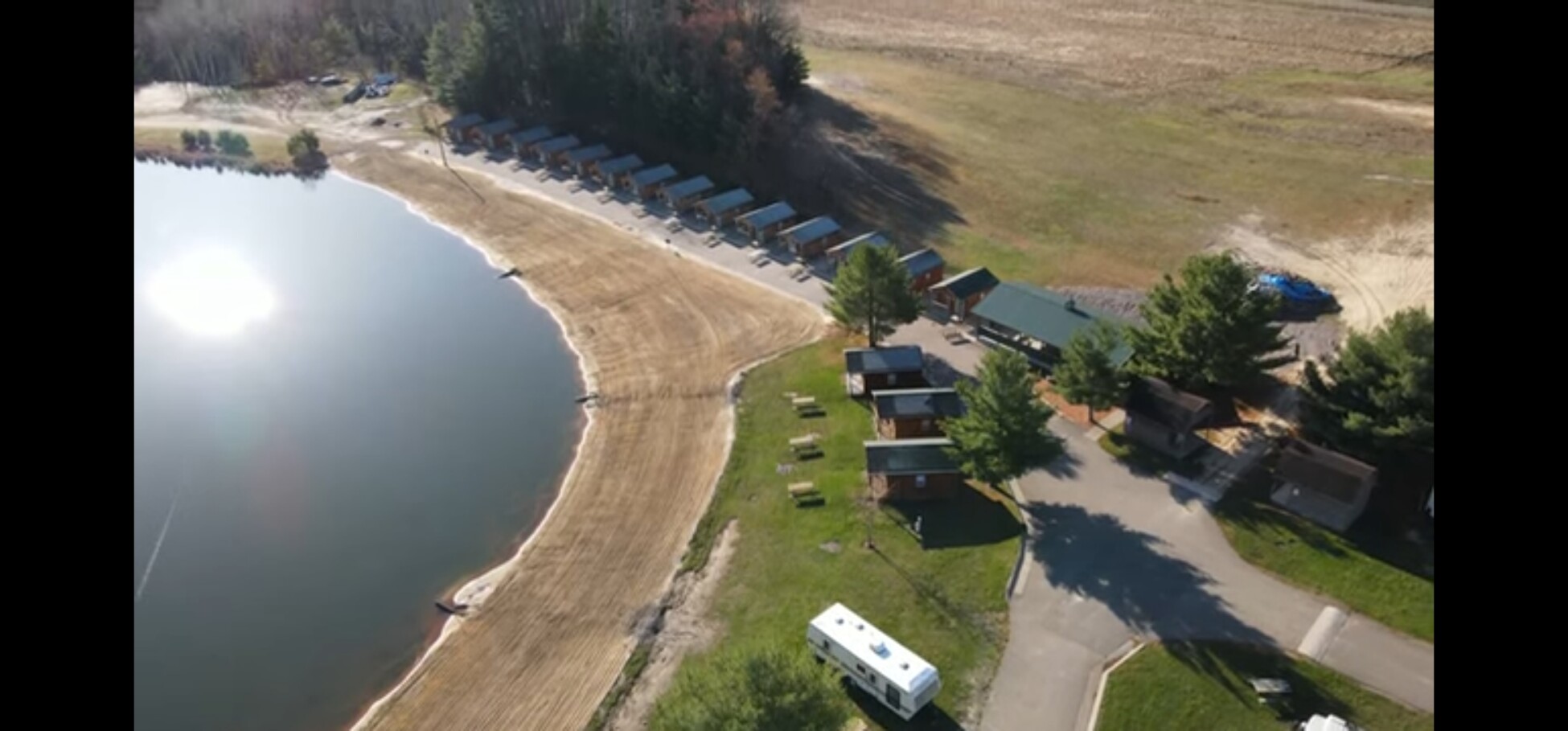
Transforming an RV park into an Airbnb campus is a creative and potentially profitable venture that taps into the growing trend of unique and experiential accommodations. Such a transformation would involve converting the existing infrastructure and spaces of an RV park into a variety of rentable units through Airbnb. Here are several steps and considerations for undertaking this project:
1. Market Research and Planning
- Demand Analysis: Research the demand for short-term rentals in the area. Look into the local tourist attractions, events, and the general need for accommodations.
- Competitive Analysis: Understand your competition. Look at other Airbnb listings and accommodations in your area to gauge pricing, amenities, and occupancy rates.
2. Regulatory Compliance and Permissions
- Local Regulations: Check with local authorities regarding zoning laws, short-term rental regulations, and any permits required to operate a business like this.
- Insurance: Ensure you have the right type of insurance coverage for a short-term rental business, covering liability and property damage.
3. Infrastructure and Amenities Upgrade
- Accommodation Types: Decide on the mix of accommodations (RV spots, cabins, glamping tents, etc.) based on your market research.
- Utilities and Amenities: Upgrade utilities to accommodate an influx of guests. Consider adding amenities like Wi-Fi, laundry facilities, a swimming pool, communal kitchens, and bathrooms to enhance the guest experience.
- Accessibility and Parking: Ensure the site is accessible and has adequate parking, especially if you’re planning to attract guests who may not be traveling in RVs.
4. Branding and Marketing
- Unique Selling Proposition (USP): Identify and promote what makes your Airbnb campus stand out (e.g., location, amenities, unique accommodation types).
- Online Presence: Create a compelling online presence through the Airbnb platform, social media, and possibly your own website. High-quality photographs and detailed descriptions will help attract guests.
5. Operations and Management
- Booking System: Leverage Airbnb’s platform for booking, payments, and communication with guests. Consider using property management software if operating multiple units.
- Maintenance and Housekeeping: Establish routines for cleaning and maintaining the accommodations and common areas to ensure a positive guest experience.
- Guest Support: Provide excellent customer service, including clear communication, check-in/check-out procedures, and local recommendations.
6. Community Engagement
- Feedback and Improvement: Actively seek feedback from your guests to make improvements.
- Local Partnerships: Engage with local businesses and attractions to offer guests packages or recommendations.
Transforming an RV park into an Airbnb campus can cater to a wide range of travelers seeking unique accommodation experiences, from traditional RVers to those looking for a more boutique or glamping experience. It’s important to approach the project with thorough planning, attention to legal and operational details, and a focus on creating memorable guest experiences.