
-
Discussions tagged with '“Moving to Montana: A Complete Homebuyer’s Guide to Taxes Schools Cost of Living and Crime'
-
“Moving to Montana: A Complete Homebuyer’s Guide to Taxes, Cost of Living, Jobs, Schools, and Safety”
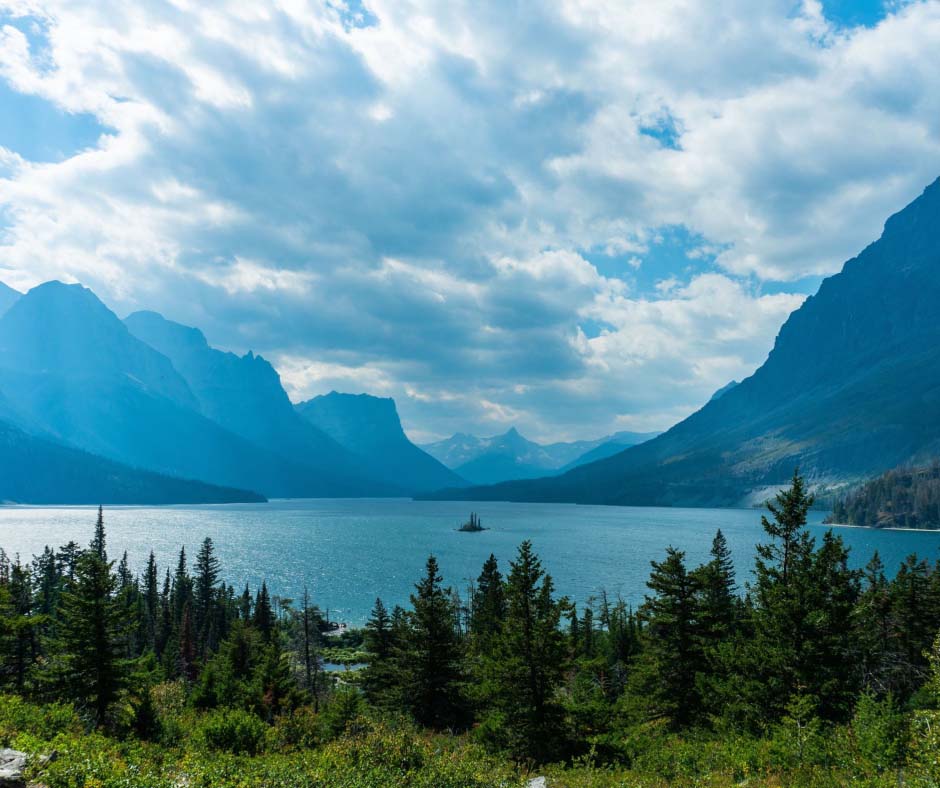
Montana stretches out in wide-open beauty, where endless skies meet rolling plains and mountain peaks. With just over a million residents, its small and mid-sized cities serve as lively hubs for rural life. People are drawn here for the fresh air, tight-knit communities, and a lifestyle shaped by nature’s playground. While the job market is robust and there’s no state sales tax, the dream of living in hotspots like Bozeman or Missoula comes with a steep housing price tag.
Taxes And The General Cost Of Living In Montana Taxes on State Income, Sales, and Property
Montana’s lack of a general sales tax is a welcome surprise for anyone making big purchases or stocking up on essentials. However, the state’s tiered income tax system means middle-income families often pay a bit more than they might elsewhere. Property taxes tend to be reasonable, but as home values climb—especially in Bozeman—so do tax bills. Here, your tax load is shaped mostly by what you earn and the value of your home.
Housing Primarily Bozeman and Missoula
Montana’s cost of living is as varied as its landscape, with housing prices shifting from town to town. The average home costs about $450,000—less than on the coasts, but more than in the South or Midwest. Renters usually pay below the national average, though city life comes at a premium. In Bozeman and Missoula, fierce demand and limited supply push average home prices to $600,000 and $500,000, with many listings soaring even higher. For more budget-friendly options, Great Falls and Helena are worth a look. Choosing a home here is a balancing act between price, amenities, and location.
In smaller towns, you may trade off some conveniences for affordability, so it’s wise to weigh your priorities in Montana, including electricity, gas, water, and internet, which typically range from the low to mid-hundreds per month, depending on energy efficiency and season.
Heating is a major expense, especially in older or larger homes due to cold weather. Gas prices are about average nationally, but long driving distances can increase transportation costs. Most households have one or two cars, and public transit is limited outside larger cities, making insurance, maintenance, and fuel significant budget items. Grocery costs are close to the national average, though small towns may have fewer options, so some residents travel to larger cities or shop online for variety.
Jobs, Economy, And Employment
Unemployment And Job Market Strength
With an unemployment rate hovering around 2%, Montana’s job market is strong, outpacing national trends. While opportunities aren’t spread evenly across every field, those moving here with a job in hand—especially to smaller towns—often find the transition smoother and less stressful.
Montana’s Low Unemployment Rate Signals A Healthy Job Market, But Not Every Field Is Booming
Bozeman and Missoula draw people craving adventure and a lively economy, though this popularity drives up housing prices. Billings and Great Falls, on the other hand, offer more affordable homes and steady jobs in healthcare, energy, trade, and services. Many newcomers start out in these regional centers, then branch out to nearby small towns for a more affordable lifestyle within commuting distance.
Neighborhood Decision, Safety, and Crime Trends in Violent Crime
Montana’s safety record is a mixed bag: murders and robberies are less common than elsewhere, but assaults run a bit higher. These broad numbers can make it tricky to judge safety at a glance. For a clearer picture, it’s best to dig into local crime statistics that align with your specific concerns.
Theft And Other Property Crimes Across Montana
Montana stands out for high rates of theft and auto theft, even as burglaries remain less common than in other states. It pays to lock up your valuables and vehicles, no matter how safe your neighborhood feels. Crime rates vary widely from one community to another, with smaller towns often recording lower rates than bustling or tourist-heavy areas. Before buying a home, it’s smart to check neighborhood crime reports.
When it comes to schools, smaller districts offer close-knit classrooms but may lack advanced courses, while bigger cities like Bozeman and Great Falls provide a wider range of academics and activities, though competition can be stiffer.
Bozeman is celebrated for its strong academics and rapid growth. Highwood, a small K-12 district, earns high marks for academics and extracurriculars in a rural setting, making it perfect for families seeking a tight-knit community. Great Falls High School District serves a larger, more diverse student body and offers a wide range of programs. Districts like Corvallis and Ennis are also among the state’s best. Families have plenty of strong options, so the real question is whether you want the resources of a big district or the personal touch of a smaller school.
Lifestyle, Geography, And ‘Fit’ For Home Buyers
Population Density, Infrastructure, and Services
Montana’s wide-open spaces mean you’ll spend more time behind the wheel than in a city, trading traffic for tranquility and breathtaking views. The flip side is longer commutes, scarce public transit, and the need to plan ahead for winter storms. Reliable high-speed internet can be hit-or-miss, which is a challenge for remote workers and families who rely on online learning or streaming. Specialized medical care, advanced services, and top educational opportunities may require a road trip. If you’re thinking of moving here, consider how much driving you’re comfortable with.
Housing Pressure in Montana and the Residents it Suits
Montana’s population is growing, especially in Bozeman, the Flathead Valley, and resort communities, which increases pressure on the housing market. Population growth has raised home prices, and in some areas, infrastructure has not kept pace. Other regions remain more popular. Montana is drawing more people than ever, especially to Bozeman, the Flathead Valley, and scenic resort towns, putting extra strain on the housing market. As prices climb and infrastructure sometimes lags behind, other parts of the state remain more affordable but offer fewer jobs and amenities. This is a place for those who crave outdoor adventure, close-knit communities, and a slower, more contemplative rhythm of life. If you’re after big-city buzz, options are limited. But for those who cherish open spaces and strong local ties, the rewards often outweigh the costs. Planning ahead for housing, work, and schools is key.
Montana Mortgage Calculator https://gustancho.com/montana-mortgage-calculator/
gustancho.com
Montana Mortgage Calculator With PITI, PMI, HOA, and DTI
The Best Montana Mortgage Calculator powered by GCA Mortgage has PITI, MIP, HOA, and Front and Back-End Debt to Income Ratio


Viewing 1 of 1 discussions