

 Loan Officer
 Gustan Cho
Loan OfficerMy Favorite Discussions
-
All Discussions
-
With the additional information provided, this summary offers a more complete overview.
Nexa Mortgage, Gustan Cho Associates, and GCA Forums Powerhouse Review🏢 Parent Company: Nexa Mortgage, LLCCompany Profile
- Company NMLS: 1660690
- Year Established: 2017
- Main Office: 3100 W Ray Road, Suite 201, Office #209, Chandler, AZ 85226 (Branch Office: 5559 S Sossaman Rd, Building 1 #101, Mesa, AZ 85212)
- Business Sector: Mortgage Brokerage (Largest in the U.S.)
- Operating Territories: 49 states (No coverage in Massachusetts)
- Staff Count: 2,400+ Employees, 2,385 Sponsored Loan Officers (about 1,845 active)
- Company Production: $6.29 billion in mortgage loans for 2023
- State Principal Licenses: AZMB-0944059, CA#60DBO89752, FL#MBR2972, ID#MBL-2081660690, MT#1660690, OR#ML-5796, WA#MB-1660690
Executive Team – NEXA Mortgage Corporate
- Mike Kortas – Chief Executive Officer, Co-Founder (NMLS: not available) | Principal Owner (50.5%)
- Jason duPont – Chief Operating Officer, Executive Partner
- Geri Farr – Chief Growth Officer
- Tammy Richards – Chief Strategy Officer
- Rana Mortensen – Chief Administrative Officer (previously Executive Director)
- Von Maharaj – Chief Financial Officer (previously Controller at Homespire Home Loans)
- Chris Porter – General Counsel
- Dan Fouts – Leader, LOS Team
- Brett Weiss – Career Builder
- Richard Harte – NEXA Academy Director (Broker Training)
Leadership Note: Mat Grella, former Co-Founder and President with an operations focus, departed in early 2024 during buyout discussions.
Mike Kortas currently holds full operational authority.
Corporate Business Structure
- Principal Model: A pure mortgage broker functioning with wholesale lender partnerships
- Compensation Ceiling: Up to 2.75% yield spread premium, compared to the 6-8% average backend compensation for mortgage bankers.
- Main Wholesale Partner: United Wholesale Mortgage (the largest mortgage lender in the nation)
- Related Entities:
-
- AXEN Mortgage LLC (non-delegated correspondent lender, DBA of NEXA; currently being merged back for clarity)
- Charter flight business
NEXA’s Unique Compensation Structure
- NEXA100 Program: Provides for loan originators to retain 100% commission splits
- No Per-File Charges: No hidden fees.
- Daily Disbursements: Revenue-sharing payouts are now processed daily.
- Objective: Double the number of loan officers by 2025.
🌟 GUSTAN CHO ASSOCIATES – PREMIER NEXA BRANCH Organizational Layout
- Corporate Title: Gustan Cho Associates (DBA of NEXA Mortgage, LLC)
- Branch NMLS: 2315275
- Regional HQ: 999 Oakmont Plaza Drive, Suite 600, Westmont, IL 60559 (Moved From This Location 17W662 Butterfield Road, Suite 305, Oakbrook Terrace, IL 60181)
- States of Licensure: 48 states, including Washington D.C., along with Puerto Rico and the U.S. Virgin Islands (MA & NY are in the pipeline)
- Regulatory Authority: Illinois Department of Financial and Professional Regulation (IDFPR)
Top Management – Gustan Cho Associates
Executive Team:
- Gustan Cho (NMLS 873293)
- National Managing Director and Branch Manager
- Founder and visionary
- Specialist in hard-to-place loans
- Expertise in 500 FICO scores, high DTI, bankruptcies, foreclosures, and non-QM
- Phone: 262-627-1965 (best contacted via text)
- Marga Jurilla
- Executive Vice President and Chief Operating Officer
- Second in command
- Responsible for HR, employee promotions and terminations, employee licensing, compliance, and personal, business, and corporate matters
- Email: marga@gustancho.com
- Sapna Sharma
- Chief Technology and Digital Marketing Officer
- Responsible for all subsidiary company websites and platforms
- Responsible for SEO, digital media, technology systems, and management of contractors and vendors
- Email: sapna@gustancho.com
- Angie Torres
- National Operations Director
- Responsible for all Support and Operations in 48 states
- Responsible for Support personnel and Wholesale/Correspondent Lending Partnerships
- Emails: angies@gustancho.com, atorres@nexamortgage.com
Senior Loan Officers:
- Alex Carlucci (NMLS 229891) – Senior Loan Officer and Regional Managing Director
- Dale Elenteny – Senior Loan Officer (manual underwriting, high DTI, and low FICO expert)
- Michael Gracz (NMLS 1161202) – MLO and Real Estate Broker (Chapter 13 bankruptcy specialist and award-winning blogger)
- John Strange – Senior Loan Officer (specializes in VA loans)
- Sonny Walton – MLO and Real Estate Broker, Houston, TX
Wholesale Lender Network
- More than 210-280 active wholesale lender partnerships (numbers differ by source, suggesting active scaling)
- Availability to all mortgage products offered in marketplace
- Lack of lender overlays on government/conventional loans
💪 REASONS FOR LOAN PROCESSING OTHER LENDERS DO NOT1. No Lender Overlays
What is Overlay?
Overlays are additional constraints that lenders impose on top of the guidelines established by the agencies (FHA, VA, USDA, Fannie Mae, Freddie Mac).
Ways of Doing Business at Gustan Cho Associates:
- Overlays of minimal guideline requirements by agencies
- No extra credit score requisites
- No extra income proof beyond agency requirements
- No extra asset requisites
Real-World Impact:
- FHA Loans: HUD permits a FICO score of 620+ with a 46.9% DTI on the front end and 56.9% DTI on the back end.
- VA Loans: They have no minimum credit score requirements, and 5,000 have been funded with a 500 FICO and a DTI of 60% or more.
- Other providers generally necessitate a FICO score of 640 or more, a lower DTI, and additional reserves.
2. Huge Network of Wholesale Lenders
Having between 210 and 280 wholesale lenders enables them to
- Find the optimal solution for every loan.
- Offer unique non-QM products that could not be obtained otherwise.
- Capitalize on lenders’ sweet spots for a given borrower profile.
3. The Broker Compensation Model = Better Pricing
- Maximum corporate compensation for NEXA = 2.75% yield spread premium (BY LAW)
- Typical mortgage banker: 6-8% compensation on the backend
- Consequently, borrowers are charged higher rates because of the difference.
- Outcome: Competitors are undercut by rates that are as low as possible.
4. More Non-QM and Alternative Programs
Government and Conventional (No Overlays):
- 500 to 579 FHA loan FICO (10% down) 580+ FICO (3.5% down)
- VA loan 500 FICO, 60%+ DTI
- No overlay USDA loans
- Conventional loans: Standard agency guidelines
Specialized Non-QM Programs
- Bank Statement Loans: For the self-employed (12-24-month statements)
- Asset Depletion Loans: Qualify based on your liquid assets
- No-Doc Mortgages: Less paperwork
- ITIN Loans: For foreign nationals without an SSN
- DSCR Loans: Debt Service Coverage Ratio for investors
- Non-QM One Day Out: recent Bankruptcy/foreclosure (no waiting period)
- Fix and Flip Loans: Short-term financing for investors.
- Late Payments Accepted: Non-QM with recent late payments (past year)
- 10% Down Jumbo Loans: Credit scores as low as 660 FICO (traditional), 500 FICO (non-QM)
- All-in-One Mortgages: Merged mortgage/HELOC products
- Condotel Financing: Non-warrantable condos
- FHA 203k Loans: financing for renovations
- Reverse Mortgages
During Active Bankruptcy:
- FHA/VA loans DURING Chapter 13 repayment (other lenders necessitate discharge)
- Cash-out refinance while in Chapter 13
Commercial & Business:
- SBA loans
- Commercial real estate loans
- Business lines of credit
- Equipment financing
- Construction
- Hard Money Loans
- Factoring
5. Manual Underwriting Expertise
- Mastery of manual underwriting for when automated systems say no
- Specialists in high DTI (60%+)
- Specialists in low-credit-score compensating factors.
6. 24/7 Service
- Open 7 days a week, including holidays and evenings
- Loan Officers Accessible via Cell Phone
- Texting for Quicker Replies
- This alleviates the biggest source of stress: a lack of Communication and Accessibility.
GCA FORUMS POWERHOUSE-EXCEPTIONAL ONLINE COMMUNITYWhat GCA Forums Offers
GCA Forums (gcaforums.com) functions as a nationwide hub for ideas, a think tank, and a resource center, extending beyond the scope of a typical mortgage forum.
1. Platform Overview
Three-Tiered Structure
Tier 1: Public Forums (Free Membership)
- Available to all approved users
- 311 public forums encompassing nearly all subjects
- 2,793 discussions in total
- 9,701 total messages
- 1,109 users
- 3,340 tags in discussions
Tier 2: Executive GCA Forums Members
- Members of the real estate, mortgage, and housing sectors
- Field specialists
- Sponsored and approved by GCA management
- Entry to tailored professional networking groups
Tier 3: GCA FORUMS Mortgage Group
- A fully owned subsidiary of Gustan Cho Associates (NMLS 2315275)
- Mortgage brokerage division that is fully licensed
- Complete lending services
2. Forum Categories – Comprehensive Coverage
Mortgage and Real Estate Forums (879 subjects)
- Government mortgages (FHA, VA, USDA)
- Conventional mortgages
- Non-QM programs
- Credit repair tips
- Underwriting assistance
- Training for loan officers
Commercial Loan Forums (48 topics):)
- Business Loans
- SBA Loans
- Commercial Mortgages
- Business Financing
Foreign Nationals Forums (25 topics):)
- Mortgages With ITIN
- Financing for Non-Residents
Geographical Forums (180 topics):)
- Financing by State
- Financing by Local Market
- Financing by Region
- Local Market Regulation
General Forums (1,026 topics):)
- Managing finances
- Rebuilding credit
- Investing in real estate
- Opportunities in business
- Developing a career
- Additional topics include pet adoption and various aspects of daily life.
News Forums (526 topics):)
- Updates in industry
- Changes in regulations
- News about the market
- News for the day
3. Unique Features That Set GCA Forums Apart
A. NOT a Lead Generation Company
- Most mortgage/real estate sites will SELL you leads.
- Unlike lead-buying companies, GCA Forums is a licensed lender with NMLS-licensed loan officers.
- The platform ensures the confidentiality and security of user leads.
- Real professionals, not hired lead buyers.
B. Articles by Real Experts
- NOT hired bloggers.
- Articles are authored by experienced mortgage and real estate professionals.
- Many years of real experience.
- Content is based on factual information rather than marketing materials.
C. All-in-One Resource Center
Classes: Post and browse ads for services, real estate, and job opportunities
Business Listing: Business Directory to post and network with businesses nationwide
Calculators: Comprehensive mortgage calculation tools
- Ask An Expert: Talk to industry experts
- AI Mortgage Assistant: Instant answer AI chat
- Member Groups: Loan Officers, Realtor Partners, Dual-Licensed MLO, Credit Repair
- Podcast Access: Updates on industry, regulations, and trends
- Newsletter: Weekly blog roundup
- Job Board: Open positions in mortgage/real estate
- Educational Videos: Training videos on YouTube
D. Active Moderation & Quality Control
- Moderators are industry veterans.
- Contributing editors are industry top achievers.
- Branch managers, CEOs, multi-million dollar producers
- Licensed real estate agents and managing brokers
- Fact-checked and quality information
E. Real-Time Industry Intelligence
Recent Forum Topics (Live Examples):
- “Marketing strategies for mortgage brokers in Chicago suburbs”
- “Marketing Strategies for Chicago Suburb Mortgage Brokers New Business”
- “How Do Mortgage Companies Set Rate Pricing?”
- “Mortgage Branch as DBA for a Large Mortgage Company”
- “Arkansas Home Buying Guide”
4. The Network Effect
Nationwide Professional Network:
GCA Forums enables networking among:
- Loan Officers: Strategy sharing, scenario troubleshooting
- Real Estate Agents: referral partnerships, market sharing
- Processors/Underwriters: framework support, guideline reinforcement
- Attorneys: legal transactional support
- Accountants: borrower tax strategy
- Property Managers: advice on investment properties
- Builders/Developers: Financing for new constructions.
- Third-Party Vendors: Title, appraisal, insurance.
Cross-State Collaboration:
Professionals, with members in 48 states, can do the following:
- Client referrals across various markets
- Obtain insights on local markets.
- Understand and comply with state-specific regulations.
- Develop growing partnerships across the country.
5. The Gustan Cho Associates Digital Empire
Subsidiary Websites & Platforms:
According to Sapna Sharma, GCA Forums is part of “the largest and fastest growing digital media real estate and mortgage media source in the nation.”
Confirmed Subsidiary Sites:
- gustancho.com – Main corporate website
- gcaforums.com – Community website
- gcamortgage.com – Mortgage Group for GCA
- non-qmmortgagelenders.com – Site dedicated to Non-QM
- lendingnetwork.org – Network for Lending
- capitallendingnetwork.com – Division of Capital Lending
- forum.gustanchoassociates.com – Alternate URL for the forum
Daily Reach:
- “Tens of thousands of daily viewers” within the network
- Among the top sources of mortgage and real estate information in the country
6. Educational Mission
Core Philosophy:
“Our mission is to educate consumers through blogs and videos about basic agency mortgage guidelines and available loan programs.”
Why This Matters:
- Helps borrowers make better and more informed decisions.
- Minimizes pressure and stress during the mortgage process.
- Also, avoids last-minute mortgage loan denials due to poor qualification.
- Helps empower consumers and not take advantage of them.
7. Member Ranking System
- Rookie: Achievement of 30 points
- Associate member: Achievement of 100 points
- Higher levels: Ranks based on participation and contribution
- Gamification stimulates knowledge sharing and participation.
8. Social Proof and Community
Metrics of Active Engagement Include
- Active members on the platform
- Activity feed
- Engagement with discussions (threads)
- Groups (private)
- Messages (direct)
- Requests (connection)
- Badges (recognition)
Social Media Integration:
- Community (Facebook)
- Presence (LinkedIn)
- Content (YouTube)
- Stories (Instagram)
- Updates (Twitter/TikTok)
- Blog (Tumblr)
THE COMPETITIVE ADVANTAGE: WHY 80% OF CLIENTS WERE DENIED ELSE WHERE Stats
- 75-80% of clients from Gustan Cho Associates have been turned down by other lenders
- Most loans close in 30 days or less
- Average loan officer tenure: 5 years (industry avg. 18-24 months)
Most Common Reasons for Denial That GCA Overcomes:
- Credit Issues:
-
- Lenders/others: 620-640+ FICO required
- GCA: Accepts 500-579 FICO (FHA/VA)
- Debt-to-Income Ratio:
-
- Others: DTI capped at 43-50%
- GCA: 56.9% DTI (FHA), 60%+ DTI (VA)
- Credit Issues in the Past:
-
- Others: 2-7 years waiting times
- GCA: Non-QM one day out of bankruptcy/foreclosure
- Self-Employment Income:
Other lenders use 2 years tax returns, heavy documentation.
GCA: Bank statement loans (12-24 months), asset depletion, no-doc.
- Active Bankruptcy:
Other lenders: Must wait for discharge.
GCA: FHA/VA during Chapter 13 repayment.
- Collections/Charge-Offs:
Other lenders: Require payoff or disputes.
GCA: No requirement to pay off (follow agency guidelines only).
- Late Payments:
Other lenders: Deny with recent lates.
GCA: Non-QM programs accept late payments in the past 12 months.
- Investment Properties:
Other lenders: Limited programs.
GCA: DSCR loans, fix-and-flip, portfolio lending.
- Foreign Nationals:
Other lenders Rarely offer programs.
GCA: ITIN loans, foreign national programs.
- Lender Overlays:
Other lenders: Add restrictions.
GCA: Zero overlays = more approvals.
Key Differentiators What Makes This Model Work:
- Platform Access: NEXA’s 49-state licensing.
- Product Breadth: 210-280 wholesale lenders.
- Pricing Power: Broker comp vs. banker comp (2.75% vs. 6-8%).
- No Overlays: Pure agency guidelines.
- Expertise: Specialized in difficult scenarios.
- Availability: 24/7 access.
- Proper Qualification: Prevents stress and denials.
- Digital Dominance: GCA Forums network effect.
- Reputation: Word-of-mouth and referrals.
Culture: LO tenure at 5 years is indicative of satisfaction
The Community Advantage of GCA Forums
For Loan Officers:
- Help Desk Underwriting: Discuss scenarios as they unfold
- Training on Products: Familiarize yourself with additional programs
- Shop Rate Insight: Analyze wholesale rates
- Brand Building: Marketing
- Networking Opportunities: Realtors and Title Companies
- Career Advancement: Climb the ladder through a defined system
For Borrowers:
- Education: Loan processes
- Transparency: Rate and programs’ actual discussions
- Support: Loan community
- Expert Access: Your questions answered
- Loan Discovery: Loan programs you weren’t aware of.
**For Real Estate Professionals: **
- Partnership with Lenders: Access reliable LOs
- Market Updates: What’s changing in lending
- Client Services: Refer troubled buyers who need help
- Education: What financing options are available?
For Third-Party Professionals:
- Business Listings: Free Exposure
- Networking: Windows with mortgage and real estate professionals
- Ads: Promote your services
- Thought Leadership: Share your premium
Comparison of Business Models
Your Existing Independent Model:
- Licenses in 3 states
- 10 Over wholesale lenders relationships
- Complete independence and control
- 100% profit retention
- Restricted scope
When Joining NEXA as Gustan Cho Associates, I did:
Pros of NEXA:
- Immediate access to 48+ state licenses
- 210-280+ wholesale lender relationships
Cons of NEXA:
- Give up 10-25% revenue to NEXA.
- Lose your 10 current wholesale relationships.
- Operate under NEXA’s compliance/policies.
- Keep “ABC Mortgage Group” branding (with “powered by NEXA”)
- Your current licenses go inactive.
- GCA Forums-style marketing platform possible
The Gustan Cho Model Specifically:
- Built a massive digital empire (subsidiary websites)
- Created vibrant community (GCA Forums)
- Positioned as a thought leader
- “Powered by NEXA Mortgage” branding
- Maintained a unique identity while leveraging the platform
Final Insights on GCA Forums
What Gustan Cho Associates Proves:
A mortgage broker CAN successfully transition to a NEXA DBA branch and:
- Maintain strong brand identity.
- Build additional revenue streams (digital media)
- Create community engagement (forums)
- Achieve national reach (48 states)
- Specialize in a niche (declined borrowers)
- Maintain culture (5-year avg LO tenure)
What You’d Gain:
- Immediate 48-state licensing
- 20-28x more wholesale lenders (vs. your current 10)
- NEXA’s compliance infrastructure
- Access to NEXA’s technology/systems
- Potential to build a similar digital platform
What You’d Give Up:
- Your current 10 wholesale relationships
- 10-25% of revenue
- complete autonomy
- Simple way back to autonomy (restarting licensing takes over 6-12 months)
Questions to Address:
- Will you be able to achieve the same level of growth independently while licensing on a state-by-state basis?
- Is the immediate access to all 48 states valuable enough to give up 10-25% of your revenue?
- Can you see the potential to create a digital empire in the style of the GCA Forums?
- Are you okay with NEXA’s new policies taking over your existing level of freedom?
- What will you do about your 15 part-time LOs who are unlikely to satisfy NEXA’s minimum requirements?
The GCA Forums model shows what’s possible, but it took years to reach this level.
Do you want me to focus more on a specific part of this ecosystem?
-
This discussion was modified 1 month, 2 weeks ago by
 Sapna Sharma.

gcaforums.com
Great Content Authority FORUMS and Sub-Forums Activities
Great Content Authority FORUMS activities in an online community to share ideas, ask questions, and connect with like-minded individuals.
-
The Great Community Authority Forums, specifically known as the GCA Forums, is powered by Gustan Cho Associates. This forum serves as a platform for discussions on a wide range of topics, primarily focused on mortgage and real estate but also includes general community assistance and various other subjects like insurance, automotive, and more. Members can engage in topics ranging from FHA and conventional loan guidelines to mortgage rates, and there’s also a section for classified ads related to real estate and mortgage services.
The forum features various utilities such as mortgage calculators, FHA loan limits, and information on conventional loan limits. Members can also inquire about real estate and mortgage careers through designated sections for realtors and mortgage loan officers. Moreover, the forum provides links to subsidiary sites offering specialized services in real estate and mortgage brokering.
For those interested in diving deeper into specific topics like the differences between different mortgage companies such as AXEN and NEXA Mortgage, the forum hosts detailed discussions where experts like Michael Neill contribute insights on the intricacies of mortgage lending practices (GCA Forums) (GCA Forums) (GCA Forums).
If you’re looking to explore this forum or require more detailed information, you can access it here.
-
Begin your path to homeownership in Arkansas with this comprehensive guide. Explore everything from FHA and VA to Jumbo loans, plus insider tips for first-time buyers, low-credit applicants, and those seeking down payment help—all tailored for Arkansans.
Arkansas Mortgage Loans
Owning a home in Arkansas is within reach, even if your credit is less than perfect. Welcoming communities, generous down payment programs, and a wide range of loans—from FHA to Jumbo—open the door to your new home.
Arkansas Mortgage Loans: Understanding the Offers
No matter if you’re a first-time buyer, an investor, or rebuilding your credit, Arkansas offers a mortgage solution for you. From government-backed loans to flexible Non-QM programs, nearly every credit profile can find a fit in cities like Little Rock, Fayetteville, and Jonesboro.
Arkansas FHA Loans – Best for Borrowers with Low Credit
Many Arkansas buyers with lower credit scores choose FHA loans. The Federal Housing Administration requires a minimum score of 500 with a larger down payment, or 580 to put down just 3.5%.
Advantages of FHA Loans in Arkansas:
- Most FHA loans require a 3.5% down payment to qualify.
- Credit score requirements are flexible.
- Interest rates are low and competitive.
- Great for new homebuyers in Arkansas.
FHA loans are a favorite in Arkansas thanks to their easy qualification and low upfront costs, helping more residents unlock the dream of homeownership.
Arkansas VA Loans – 100% Financing for Veterans
VA loans empower Arkansas veterans, active-duty service members, and surviving spouses to buy a home with zero down payment. With no mortgage insurance, lower interest rates, and flexible approval for a range of credit scores, it’s a top choice for those who’ve served.
USDA Loans in Arkansas – Ideal for Rural Homebuyers
The USDA Rural Development Loan Program opens doors for buyers in rural and suburban Arkansas, offering 100% financing and no down payment for those with low to moderate incomes.
- Fixed interest rates are low.
- Credit standards are flexible.
- While USDA loans are limited outside major cities, they’re widely available in Arkansas counties such as Mountain Home and Cabot. Conventional loans offer another path, helping buyers steadily build equity. With a steady income and a credit score of 620 or above, you’ll enjoy fewer restrictions and greater flexibility than with government-backed options.
Conventional Loans in Arkansas Are Ideal Because:
- Rates are competitive for those with higher credit scores.
- Primary residences, vacation homes, and investment properties are eligible.
- Flexible terms are available, including 30-year or shorter loans.
- First-time buyers can take advantage of low down payments, and once you reach 20% equity, mortgage insurance can be removed—making conventional loans even more appealing.
- If you don’t fit the traditional mold,
- Non-QM loans offer flexible options, accepting alternative income proof such as bank statements or verified assets.
Benefits of Non-QM Loans in Arkansas:
- Loans are available to those with lower credit scores or previous credit issues.
- Self-employed borrowers can qualify using bank statement programs.
- No tax return verification is needed, and loan amounts can be substantial.
- These programs are a lifeline for Arkansas investors and entrepreneurs with unique financing needs. For luxury properties in
- Bentonville, Little Rock, and Eureka Springs,
- Even first-time buyers with less-than-perfect credit have mortgage options designed for them:
Types Of Arkansas Mortgage Loans
- FHA loans: Having a score as low as 500 is possible with 10% down.
- VA loans: Flexible approval with compensating factors.
- USDA loans: Accept credit scores as low as the mid-600s in eligible rural areas.
- Non-QM loans: Offer individual underwriting, even for scores below 600.
- Jumbo loans are the go-to for amounts above the conforming loan limit, which is projected to exceed $832,750 in 2026.
- Qualified borrowers can secure attractive rates for primary residences, vacation homes, and investment properties.
- With strong credit, steady income, and solid savings, you could access large loans through Arkansas Jumbo programs.
How To Rebuild And Boost Your Credit To Qualify And Get Approved For Arkansas Mortgage Loans
A credit rebuilding specialist in Arkansas can boost your approval odds and offer expert guidance. FHA and USDA loans are among the most accessible, with FHA loans suitable for buyers with limited savings or lower credit scores, and USDA loans providing 100% financing for eligible rural buyers.
- ADFA Down Payment Assistance (DPA): Provides several thousand dollars in down payment assistance to qualified homebuyers.
- Homeownership Initiatives for First-Time Buyers: Grants from these programs make buying a home easier, especially in budget-friendly counties such as Faulkner, Garland, and White.
Assistance with Housing Arkansas offers a range of programs to help with down payments and closing costs. The Arkansas Development Finance Authority (ADFA) leads the way with initiatives like the FA Move-Up Program, providing down payment assistance and competitive rates. titive rates.
Affordable Homes In Arkansas With Low Cost Of Living
Arkansas stands out as one of the most affordable places to buy a home.
- Hot Springs draws those seeking second homes, while Bentonville is another standout destination.
- Every corner of Arkansas offers its own blend of affordability, location, and lifestyle, helping buyers find their perfect fit.
Across its counties, you’ll find low land prices, abundant job opportunities, excellent schools, and a welcoming, family-centered atmosphere.
Getting the Best Rate on a Home Loan in Arkansas
Want the best rates on Arkansas mortgage loans? Try these strategies:
Compare offers from multiple lenders.
- Improve your credit. Boost your credit by paying down debt and fixing errors on your credit report.
- Securing a great interest rate and exploring government-backed loans can lead to big savings for Arkansas homebuyers.
Frequently Asked Questions Buying A House In Arkansas And Mortgage OptionsIn Arkansas, How High Does Your Credit Score Need To Be To Get an FHA Loan?
- To qualify for 3.5% down, you need a score of 580. If you have a score of 500—579, you need to put down 10%.
Can I Get A Loan To Buy A Home In Arkansas With No Down Payment?
- You can use VA or USDA loans.
- VA and USDA loans allow eligible borrowers to finance the entire purchase price.
Are There Any Programs In Arkansas That Help With Closing Costs?
- Yes.
- The ADFA provides assistance with closing costs and down payments throughout the state.
Do Non-QM loans report to the credit bureaus?
- Many Non-QM lenders report payment history, which can help either build or boost your credit.
Are Self-Employed Individuals Eligible for a Mortgage in Arkansas?
- Yes, self-employed individuals can qualify using a bank statement or Non-QM programs.
- Arkansas offers a wealth of mortgage options for first-time buyers and those with credit hurdles.
- With choices like Non-QM, USDA, and FHA loans, homeownership is within reach.
- Local experts are eager to help you secure the best loan and maximize your investment.
MORTGAGE LENDERS FOR BAD CREDIT IN ARKANSAS:
https://gcamortgage.com/arkansas-mortgage-loans/
-
This discussion was modified 1 month, 2 weeks ago by Sapna Sharma.
-
This discussion was modified 1 month, 2 weeks ago by Sapna Sharma.

gcamortgage.com
Looking for Arkansas mortgage loans? Explore your options for FHA, VA, USDA, Conventional, Non-QM, and Jumbo loans and DPA.
-
On a mortgage loan transaction, the commission for the mortgage broker and/or mortgage lender is referred to so yield spread premium (YSP)
THE HIGHER THE COMMISSION the mortgage institutions charge the higher the rate the borrowers pay. Both non-bank mortgage companies, mortgage brokers and mortgage lenders need to be licensed in each state they originate loans. Losn officers that work for Credit Unions and banks are exempt from taking and passing the NMLS exam and getting licensed. They just need to be registered
Mortgage Brokers need to disclose the yield spread premium on the mortgage loan disclosures disclosed to the borrowers
The maximum commission the mortgage broker can charge is 2.75% for the loan amount and most loan officers make 1.35% of the loan amount of the 2.75% Mortgage Lenders DO NOT NEED TO DISCLOSE THEIR COMPENSATION on the Loan Estimate and Closing DISCLOSURE and there is no maximum compensation on each
Mortgage Lenders offer charge higher than the 2.75% of the loan amount because of high overhead Most Lenders typically make 5% to 9% on each loan and are exempt from disclosure and keep the zUsp hidden
Basically this type of compensation are Lender Paid compensation because the compensation is already built in to the rate. The higher the compensation the higher the rate. Mortgage brokers can charge lower than 2.75% and give their borrowers par rate (which the Mortgage Brokerage does not make a yield spread via lender paid compensation. Borrowers get par rate and they pay the compensation outside via borrowers paid
The borrowers get wholesale pricing on the loan
The loan officer can charge lower than the maximum 2.75% allowed by law.
https://gustancho.com/lender-versus-borrower-paid/
-
Information About SPDR S&P 500 ETF Trust SPY
- The SPDR S&P 500 ETF Trust is a major fund that often influences the direction of U.S. markets.
- In the most recent session, the fund closed at $681.92, a decrease of $4.93 from the previous day.
- This was a small 0.01% drop.
- Trading opened at $687.11, and about 74.144 billion shares changed hands throughout the day.
- Prices fluctuated between a high of $687.75 and a low of $681.81,
- illustrating the significant market movement during the day.
- The most recent trade was at 7:15 p.m. CST on December 31.
GCA Forums News: National News Reports: DATE: 01/01/2026
- Financial markets are closed today because of the NYSE and FINRA holiday, as noted by the Intercontinental Exchange.
- This update covers the latest market close, after-hours activity from December 31, and provides a brief overview of key economic indicators and rates.
FINANCIAL MARKETS LIVE: Year-End Markets Activity (U.S. Markets Closed)
U.S. stock indices ended 2025 on a positive note. The S&P 500 and Nasdaq experienced double-digit gains, and the Dow Jones Industrial Average also finished the year on a strong note.
Marketable proxies as of the last trading session:
- Dow (DIA): last trade visible in the tool
- S&P 500 (SPY): last trade visible in the tool
- Nasdaq-100 (QQQ): last trade visible in the tool
Looking ahead, several key factors are expected to influence the markets in 2026:
- A ‘soft landing’ depends on inflation slowing down and the job market easing, but without causing a recession. More details are below.
- Shifting expectations about interest rates continue to affect the markets, particularly in the technology and housing sectors.
LIVE Bond Market + Interest Rates
10-Year Treasury yield: 4.14% (last updated daily observation).
Every decision by the Federal Reserve impacts financial markets, as changes in yields affect both investors and borrowers.
- The Fed cut rates on December 10, 2025.
- AP reported a 0.25% reduction in the benchmark rate.
- Mortgage rates do not always fall right after the Fed cuts rates.
- They usually follow long-term yields and changes in inflation expectations.
Live Mortgage Rates (Conventional / FHA / VA / Jumbo)Freddie Mac PMMS (weekly):
- 30-year fixed: 6.15% (as of Dec. 31, 2025)
- 15-year fixed: 5.44% (same survey)
Current market pricing for most borrowers is as follows:
- Conventional 30-year: high 5% and low 6% (depending on credit, loan level price adjustments, and property type)
- FHA and VA loans can be more affordable than some conventional loans, but the actual cost depends on factors such as mortgage insurance, closing costs, additional fees, and the lender’s charges.
- Jumbo loan rates depend on how much banks are willing to lend and the amount of money they have available.
- Borrowers can often find better deals by shopping around.
- GCA Forums News stands out because it can handle complex loans, including those with unusual computer checks, high debt-to-income ratios, or past credit problems.
- Fast processing and following standard rules are its main strengths.
LIVE Precious Metals: Silver’s Surge, then a Hard Reset: Silver: “$80+ then back to low $70s”
- Reuters reported that silver briefly exceeded $80 per ounce before dropping sharply due to profit-taking and volatility.
Gold: record highs
- Gold hit record highs in late December, as investors sought safety and anticipated possible rate cuts.
“Paper Silvers” vs “Physical Silvers”
- Paper silver encompasses assets such as futures, options, accounts not backed by physical silver, and various funds.
- These are easy to buy and sell, but investors do not own physical silver.
- Instead, they have a claim whose value depends on the market and the company.
- Physical silver refers to owning actual coins or bars specifically set aside for the investor.
- This offers more security, but owners need to consider premiums, storage, insurance, and the difference between buying and selling prices, especially when demand is high.
From the CFTC Bank Participation Report, we see that all major banks are on a net short position in COMEX silver futures/options for the most recent week.
Banks (U.S. + non-U.S.): Long 25,216 vs Short 67,527 ⇒ Net short 42,311 contracts (≈ 211.6 million ounces, with 1 contract = 5,000oz).
Important: While the public BPR aggregates ’U.S. banks’ vs. ‘non-U.S. banks’, it does not identify JPMorgan or any other individual bank in that summary. Therefore, it is justifiable to make the claim “banks are net short,” but based on the BPR alone, “JPM is X% of the short” cannot be substantiated.
Causes of the Recent Pullback and Potential for Recurrence
- Reuters reported profit-taking after the blow-off move above $80.
- When the CME raises the amount of money traders need to put up, prices can swing more as traders hurry to add funds or risk losing their trades.
- These increases helped drive the recent jump in silver prices.
Silver Price Forecast for 2026: Three Potential Scenarios
- Bull case (higher highs):
- If the Federal Reserve continues to make money easier to borrow and real returns decline, silver could remain popular, aided by its use in industry and its reputation as a safe investment.
- The late 2025 rally showed these expectations.
- Base case (wide swings): Expect large price changes, with quick moves up and down.
- Fast reversals are common, and changes in trading requirements can amplify both gains and losses.
- Bear: If the economy faces high inflation and slow growth, or if a sudden downturn leads many to sell their investments, silver could drop quickly.
- This would indicate that silver can be both a safe and a risky option.
In summary, silver looks strong in the long run, but short-term trading can be very unpredictable, especially for those using borrowed money.
Housing Market and Mortgage Trends Forecast (Bubble vs “Slow Grind”)Current Trends
- Mortgage rates have come down from their peaks, but buyers still face high prices.
- More cities now have a higher number of homes for sale, with some price drops, which represents a significant change from the period when there were very few homes available.
Is a housing bubble “really on its way”?
A crash like 2008 typically requires three elements: a large number of risky loans, forced selling by lenders, and sudden payment increases for many borrowers. Today, conditions are different:
- Most owners have low, fixed-rate mortgages, and underwriting has been much tighter than before the 2008 financial crisis.
- A slow, uneven adjustment is more likely than a big crash.
- Prices are expected to remain mostly stable, although some areas may experience slight drops, and affordability will continue to be a challenge.
Total Single-Family Originations Predicted To Rise In 2026
- Single-family home loans are expected to rise in 2026, as more people refinance and buy homes.
- As The Industry Consolidates: Industry changes point to tougher times ahead.
- The weakest companies are closing, merging, or laying off workers, according to recent news reports.
How GCA Forums Can Keep Winning in 2026 (publishable talking points)
- Focus on loans that do not meet standard rules and employ special evaluation methods for borrowers.
- These options help people who do not meet typical requirements, and GCA Forums’s flexible approach can be beneficial when others cannot.
- Offering fast reviews, detailed checklists, both computer and personal checks, and expert advice can attract borrowers who were turned down by other lenders.
- Keep the business simple and responsive. In an uncertain market, being quick and dependable matters more than always offering the lowest rate.
What does NEXA Mortgage do compared to other lenders or mortgage brokers?
- In 2025, NEXA was reported as one of the largest brokerages by headcount, with over 3,000 sponsored loan officers, according to NMLS Consumer Access.
- This shows that, even in tough times, being large and hiring well are important as brokers and lenders face smaller profits and higher rates.
- GCA Forums, and its parent company Gustan Cho Associates’s business and profit numbers are private, but it is known as a one-stop shop for mortgages.
- If needed, a ‘State of GCA Forums’ report can be created using internal data like applications, approvals, and processing times, while keeping private information secure.
Chicago + Sanctuary City + “Companies Leaving” (LIVE Local Lens)Chicago’s sanctuary-city posture
- Chicago’s City Council stopped attempts to weaken sanctuary protections (notably, a 39-11 vote was reported), maintaining restrictions on the Chicago Police Department’s (CPD) collaboration with federal immigration enforcement.
Big-name corporate exits / downsizing tied to Chicago/Illinois narrative
Several headline instances continue to influence the narrative:
- Boeing consolidated its headquarters to Arlington, VA (relocation announced in 2022).
- Caterpillar consolidated its global headquarters in Texas (relocation announced in 2022).
- Citadel relocated its headquarters to Miami in 2022 and has reportedly been reducing its presence in Chicago.
- The city has seen some projects and large companies leave or relocate to the suburbs, but local supporters argue that new companies are still investing in Chicago.
Auto Industry: Sales, Financing Rates, and 2026 Outlook: Auto financing rates: why buyers are feeling the pinchExperian reported the following average rates:
- New vehicles: mid-6%.
- Used vehicles account for about 11% or more, with significantly higher rates for individuals with poor credit, which exacerbates the car market outlook.
- Edmunds expects about 16 million new vehicles to be sold in 2026.
- Sales appear steady, but high prices remain a concern.
- Other forecasts agree, predicting 15.5 to 16 million cars, with interest rates, discounts, and policy changes all affecting the market.
Cox Automotive Inc.
- Policy risks include tariffs, higher supply costs, and sudden changes in demand (MarketWatch).
Politics: Trump, Powell, and Watching the DOJ/FBI in the Lead
How is the voter favor for Trump?
- Polling averages indicate that Trump’s support remains in the low to mid-40 percent range, although results vary by methodology and timing.
“Are Trump and Jerome Powell meals unrelated?”: Trump and Powell
- Most media outlets say Powell’s term at the Fed will last until May 2026.
- Many reports ask if Trump will replace Powell before then.
- Most experts agree that it is unclear whether the president can replace the Federal Reserve chair, and many see this as an important issue for the institution.
- A clear answer is not expected soon.
There is coverage of people and documents that suggest a civil and political controversy has arisen regarding the actions of the DOJ and the FBI. Financial Times.
- Pam Bondi.
- Bondi has served as the Attorney General, and this has been reported in both informal and formal DOJ documents.
- Bondi’s coverage is in the DOJ, and the A.G. reports. This is a report by Forbes.
What can be said as the truth?
No comment can be provided on this report at this time. While there is evidence of pressure, controversy, and political maneuvering, no documentation indicates that either Patel or Bondi has been dismissed.
https://www.youtube.com/watch?v=ovO7RvAT8Jk
-
This discussion was modified 2 months, 1 week ago by Sapna Sharma.
-
This discussion was modified 2 months, 1 week ago by
 Gustan Cho.
-
This discussion was modified 1 month, 2 weeks ago by Sapna Sharma.
-
GCA Forums News For Saturday, January 3rd, 2026
SPDR S&P 500 ETF Trust (SPY) Current Stock Market Data
- The SPDR S&P 500 ETF Trust is a key U.S. exchange-traded fund that provides investors with a view of how the American stock market is performing.
- SPY is trading at $683.17, about the same as its previous close.
- This shows a brief pause in an otherwise active market.
- SPY opened today at $685.67, with over 89 million shares traded so far, indicating strong investor activity.
- Today, SPY has traded between $686.82 and $679.86, indicating significant market activity.
- The last trade was recorded on Friday, January 2, at 7:15 p.m. CST, ending another busy session.
GCA Forums News: National Breaking News
January 3, 2026 (America/Chicago)
U.S. cash trading is closed on Saturdays. Level indicators show Friday’s market close, with updates reflecting post-close changes.
LIVE Stock Market Snapshot (Last update)
At the start of the year, investors feel both hopeful and cautious. The S&P 500 and Dow Jones rose, but the Nasdaq fell, as investors watch what the Federal Reserve will do next.
- S&P 500 proxy (SPY): 683.17
- Dow proxy (DIA): 483.63
- Nasdaq-100 proxy (QQQ): 613.12
On Friday, the market had both gains and losses. Treasury yields rose slightly as investors awaited further updates after the shutdown, which had made data collection more challenging.
LIVE Bond Market + Interest Rates
Treasuries (benchmark)
- 10-Year Treasury yield: ~4.19% (last reported)
- Bond ETF “tell”: TLT 87.03 (duration 20+ years) and IEF 96.08 (7-10 year)
Federal Reserve (policy rate)
- After cutting rates three times in 2025, the Federal Reserve is now closely monitoring inflation and the slowing job market.
- Analysts are paying close attention to the Fed’s meeting on January 27-28, 2026.
Mortgage-Backed Securities (rate pressure gauge)
- MBB (agency MBS ETF): 95.14
- When mortgage-backed securities decline, regular mortgage rates often remain the same or improve slightly, providing some relief to borrowers.
Current National Mortgage Rates
Rates have remained steady, fluctuating around the mid-6% range with only slight daily changes.
- According to Freddie Mac, 30-year fixed mortgage rates stood at 6.15% as of December 31, 2025.
- 30-year fixed mortgage rates from Mortgage News Daily are 6.20% as of January 2, 2026.
High mortgage rates remain a challenge for buyers, and advertised rates often fail to disclose important details. Fees, credit scores, property type, and other factors can raise real payments, especially for those barely qualifying. precious metals prices and the silver shockwave
Spot Prices Of Metals Today
- Gold: approximately.
- Silver has followed the US dollar, dropping from $80 to $73.
- Several factors are affecting prices, and most spot quote pages now list silver’s average price between $73 and $74.
There Are Usually Two Main Reasons Why Silver Prices Sometimes Reach $80 Or More:
- Retail ‘all-in’ pricing, which means the spot price plus extra costs, sometimes made regular product prices go above $80, even when the spot price was lower, or
- Such prices may also occur due to certain dealer prices, wider gaps between buy and sell prices, or short-term fluctuations when there are few trades.
What has affected silver prices lately?
- China’s new export rules and concerns about low supply have impacted the silver market, particularly at the start of the year.
- Silver’s price is closely tied to China’s exports and strong demand from industries such as solar, electric vehicles, and data centers.
What will silver be priced at in the future again? What may happen? What will probably happen (with bullish and bearish analysis).
- Over the next month or two, silver’s price could fluctuate significantly.
- If interest rates change or the Fed surprises the market, silver might fall to about $70
- If exports grow and borrowing becomes easier, prices could rise.
- But if rates rise, silver could get even cheaper.
Positions in silver (JP Morgan and major banks): how to explain it clearly
- There is an ongoing. People are still talking about short positions in silver.
- Here’s what the Commodity Futures Trading Commission (CFTC) does: it tracks how financial instruments are concentrated, but a short position does not always mean betting against silver.
- Banks often hedge their positions with other assets or manage trades for their clients.
- For most investors, it’s better to focus on liquidity, premiums, and how trades are settled, instead of blaming big players. and Silver Physical Prices Diverge
- Paper silver refers to financial products such as futures,
- ETFs, unallocated silver accounts, and synthetic silver.
- These are often harder to buy or sell quickly than real silver because you only have a claim, not the actual metal.
- Physical silver consists of tangible metal products, such as coins or bars, that can be stored directly by the owner or in secure vaults.
- These factors explain why the prices of paper and real silver can differ significantly.
- When retail supply is low, premiums can increase significantly, so physical silver may sell for more than the spot price.
- In practice, delivery problems, short deadlines, and limited stock can matter more than the quoted price.
- See headlines touting $80 silver, even though the spot price lingers at $73.
Mortgage And Housing Market Forecast
Current status of the market
- Home sales surged in November 2025, reaching a three-year high (National Association of Realtors).
- This increase is attributed to improved affordability and the introduction of new inventory.
- Although more homes are for sale, the U.S. still faces a significant housing shortage, so prices remain high.
- Some people wonder if another bubble, larger than the 2008 one, is coming.
- There are extensive comments.
- Many people have commented on this topic.
Here’s a balanced view: It occurred because banks issued risky loans, and the system ultimately collapsed. Today’s problems are mostly about high prices, with people stuck paying expensive mortgages with rates of 6% or more. This differs from the credit problems of 2008. Most experts believe that things will gradually improve, with more homes for sale and lower rates, rather than a sudden change. With fewer new loans, the mortgage industry is consolidating. Companies like Rocket are now focusing more on servicing and distribution. For 2026, a slow but steady recovery in new loans is expected, but a return to the boom of 2021 is unlikely.
News from the Midwest: Chicago, Illinois, And The Sanctuary City/State
Chicago and Illinois remain central to the national debate about sanctuary cities and federal immigration enforcement.
- Illinois has enacted additional immigration protections (including new avenues for constituents to sue federal agents for alleged rights violations) during a period of increased enforcement.
- In December, both federal enforcement and Chicago immigrant communities reported a new surge in activity in the area.
- Trump announced that National Guard troops are being withdrawn from Chicago and other cities after some legal defeats.
- The U.S. Supreme Court has established limits on deployment authority in Illinois, and the administration is adhering to these rules.
- Illinois has dropped its 1% grocery tax, but starting January 2026, some towns and cities will keep their own local versions in place.
The Road Ahead: Auto Industry Financing, and What 2026 Might Bring
Trends in the auto industry
The Financial Times reports that EV adoption in 2026 is expected to slow, with some predicting U.S. sales will drop even as sales grow in Europe and China.
Auto financing (what buyers are feeling)
- In November, Edmunds reported that the average APR for new car loans had fallen to approximately 6.6%, the lowest level since 2025.
- Gradual improvement is expected, but credit scores still matter a lot.
- Even so, buyers are under a lot of stress as prices and loan terms change.
- Inflation and economic uncertainty continue to make the market uneasy.
- Reuters reports that the November CPI is about 2.7% year-over-year, showing a slowdown from earlier levels.
- But data gaps from the shutdown have made the outlook less clear.
- In December, the Fed showed internal divisions. Inflation remains a concern, but the weaker job market is also becoming increasingly significant.
Politics: Trump, Powell, Kash Patel, Pam Bondi
Trump + the Fed (Powell)
- Powell’s term as Fed Chair ends in May 2026.
- Reports say Trump is pressuring him to choose a replacement, raising concerns about the Fed’s independence.
- Trump begins the year with low approval ratings in some polls, although fewer polls are conducted during the holidays.
- FBI Director Kash Patel: “On the way out?”
- A recent Reuters report stated that Trump openly supported Patel after some reports suggested he might remove him, despite the White House’s denials.
- Leadership changes around Patel; for example, Bongino is stepping down as deputy director.
- Attorney General Pam Bondi: “On the way out?”
- Bondi is still serving as Attorney General, according to the DOJ’s official leader.
- There is political pressure and criticism over DOJ actions, including how the Epstein files were handled, but no one has officially left.
- Since Gustan Cho Associates does not disclose its production, revenue, or staffing numbers, it is difficult to predict what the company will do next.
Still, a few things stand out in the bigger economic picture:
- Currently, successful companies receive numerous referrals, operate in various broker and wholesale areas, possess extensive knowledge of specialized loan types, work efficiently, and excel at identifying new customers.
- GCA Mortgage Group claims it excels in these areas as a broker platform.
NEXA Lending is still regarded as a large brokerage and appears in industry rankings, such as the Scotsman Guide’s broker rankings page.
Across the industry, companies are consolidating rather than expanding. Even the largest firms are cutting costs and carefully planning their next moves.
If top-line metrics from the past 30 to 60 days are available—like lead count, applications, clear-to-close, funded units, pull-through rate, and average compensation—a short “GCA performance versus market” section can be created using these numbers.
https://www.youtube.com/watch?v=xQ74eZIHI10
-
This discussion was modified 2 months ago by
 Harlan.
-
This discussion was modified 2 months ago by Gustan Cho.
-
Current Stock Market Information for SPDR Dow Jones Industrial Average ETF (DIA)
- The SPDR Dow Jones Industrial Average ETF remains a favorite among U.S. investors, consistently capturing attention and fueling enthusiasm nationwide.
- The ETF is currently trading at $481.15, which is $0.65 higher than the previous close.
- The trading day began at $480.56, and with over 6.4 million shares changing hands, the market was abuzz with heightened activity.
- Throughout the session, prices swung between $482.75 and $479.31, reflecting a day marked by noticeable volatility.
- The final trade rang in at 3:55 PM PST on Friday, December 19, capping off a day of gains for U.S. stocks, thanks largely to robust performances in the technology sector.
- The Dow Jones Industrial Average closed at 43,246.65, up 86.31 points.
- The S&P 500 rose 0.7% to 6,140.74, while the Nasdaq gained 1.0% to 20,173.89.
- Shifts in the market were shaped by fresh inflation numbers, ongoing tariff negotiations, and a wave of company earnings, with Nike’s results making a particularly strong impression.
LIVE Rates: Treasuries + Mortgage RatesYields on Treasuries (as of the end of the trading day)
- 10 Treasury = 4.16% (closed)
- 2 Year Treasury = 3.48%
- 30 Year Treasury = 4.82% (closed)
Average Rates on Mortgages (as of today)
- Mortgage News Daily (as of today) 30 Year Fixed = 6.25% (as of 12/19/2025)
- Freddie Mac PMMS week prior to 12/18/25): 30-year.
- With mortgage and real estate rates trending downward, the housing market has sprung to life with renewed activity.
- Buyers are now finding themselves in the driver’s seat, often securing discounts or special incentives from eager sellers and builders.
Live Precious Metals Update: Gold is trading at $4,328.24 per ounce, dipping about 0.1% today.
- Spot silver is currently priced at $65.93 per ounce, up about 0.8% today.
- In the world of precious metals, easing inflation is fueling growth and sparking hopes for more favorable interest rates ahead.
- However, a stronger U.S. dollar is preventing gold prices from rising further.
Economy Watch:
Tariffs and state inflation credits are reshaping the marketplace, changing shopping habits and shifting the price tags on everyday goods.
As store shelves fill up and prices climb, consumers are tightening their wallets, financial leaders report.
Another report states that officials remain cautious about tariffs and anticipate the company will reveal $1.5 billion in new tariffs, a hit that could dent both its profits and its stock price. In the housing sector, rising tariff-related costs have prompted the Federal Reserve to tread carefully, slowing the decline in mortgage and other long-term interest rates. the long-term interest rates.
Circumstances of Policy
The White House disclosed an extension of particular Section 301 tariff exclusions (and associated trade actions) as part of a U.S.–China economic/trade package.
For an overview of 2025 tarifFor a summary of 2025 tariff actions and their status, CRS provides an ongoing update.et: This week, what changed
Existing Home Sales: A Small Improvement, Affordability. November saw existing-home sales tick up by 0.5% to an annualized pace of 4.13 million. The median price climbed to $409,200, outpacing last year’s mark. With 1.43 million homes on the market—a 4.2-month supply—the market is stabilizing. Still, steep interest rates and lofty prices remain hurdles for first-time buyers, who accounted for 30% of the sales in November. According to the National Association of Realtors.
The Mortgage Bankers Association (MBA) reported that mortgage applications declined by 3.8% for the week ending Dec. When rates hover between 6.2% and 6.4%, borrowers tend to act quickly, eager to lock in a deal. Usually move fast.
Lower rates make people more likely to refinance, while higher rates reduce demand.
Soaring prices and mounting costs are squeezing borrowers, making homeownership feel further out of reach.
It’s essential to continually review political and media reports to distinguish facts from speculation.
Erika Kirk and Vice President JD Vance, specifically concerning relationships and paternity, remain unsubstantiated despite mention by some credible sources.
No evidence has been presented to support the alleged affair.
Vance has addressed public discussion of his marriage, and both he and his wife have characterized the rumors as Social media claims about paternity and infidelity have not been verified and are not backed by major news outlets. These claims should be viewed as unconfirmed.
What happened with Erika Kirk and Candace Owens’ meeting (Monday, Dec. 15, 2025)?
Some sources suggest that Erika Kirk and Candace Owens met, possibly to discuss Owens’ criticisms. The meeting was reportedly focused on Owens’ public comments.
- Kirk mentioned Owens during AmericaFest, indicating a clear tension between them.
- Major news outlets have covered the scripts from the closed meeting, so any specific claims should be treated with caution.
Candace Owens’ criticism of Erika Kirk
Owens increased the backlash and controversy surrounding Sabina Kirk, exacerbating the public rivalry. Reuters reported that Bongino plans to resign because of disagreements and issues with FBI Director Christopher Wray, not with Kash Patel. Bongino reportedly wants to avoid a major conflict. Other reports on Facebook and from the Associated Press also stated that Bongino would resign due to disagreements with Patel. However, neither Reuters nor the Associated Press stated that FBI staff mocked Bongino or spoke negatively about him; those claims remain unproven rumors.
Kash Patel: There are rumors about Kash Patel, his girlfriend, and the use of a private jet and security detail. Here’s what has been confirmed: an FBI spokesperson said claims about a SWAT team as security are **false** and that only standard protective measures are used for leadership, not a SWAT team. A local Fox station reported that Patel denied any false claims about using jets or security. No reliable sources have confirmed any details about the ‘Utah tantrum’ or ‘missing FBI jacket’ stories. These should be considered unverified social media speculation until trustworthy reports confirm them. Mortgage rates and 10-year Treasury yields are staying about the same (mid-6% for mortgages, about 4.16% for the 10-year). It remains challenging for many people to afford a home. Home sales have increased slightly, but prices remain high, and the number of homes for sale is limited. Inflation has decreased, but it could remain high, depending on company profits and consumer spending trends. Kirk and JD Vance’s infidelity and paternity rumors have not been confirmed by major news sources. Kash Patel discussed Dan Bongino’s departure from the FBI, stating, “Kash Patel praises Dan Bongino, exiting the FBI.” This headline from Facebook’s Breaking News sums up the story.
-
Ten most trusted luxury SUVs worth buying after warranty in 2025. And number one? You absolutely won’t believe it. Consumer Reports and JD Power just confirmed what dealerships don’t want you to know. Most luxury SUVs turn into financial black holes the second the warranty expires. Except these ten. I’ve got real owner receipts showing 200,000 miles with zero breakdowns, mechanic interviews revealing which models they actually recommend, and failure data that exposes
-
Cambodia is the largest exporter of illegal wild baby monkeys to the United States. Since 2014 over 30,000 baby monkeys were laundered annually from Cambodia to the United States. Each baby monkey, mainly 1kg to 3kg baby macaques at a cost of $30,000 to $50,000 each. Baby monkeys were used at research labs, pharmaceutical companies, colleges and universities, and private and government backed hospitals.
Fake permits, undercover informants and millions of dollars. How a US government agency set out to prove suppliers to research labs were importing wild monkeys from Cambodia with false paperwork.
This documentary contains footage that may be disturbing to some viewers. GCA Forums News Investigates is an award-winning series that sets out to uncover the truth behind some of the most powerful stories from around the world. Watch more: • Bloomberg Investigates. Originals offers bold takes for curious minds on today’s biggest topics. Hosted by experts covering stories you haven’t seen and viewpoints you haven’t heard, you’ll discover cinematic, data-led shows that investigate the intersection of business and culture. Exploring every angle of climate change, technology, finance, sports and beyond, GCA Forums News is business as you’ve never seen it.
Subscribe for business news, but not as you’ve known it: exclusive interviews, fascinating profiles, data-driven analysis, and the latest in tech innovation from around the world.
Visit our partner channel Great Community Authority News for global and National News and insight in an instant.
-
Minnesota Mortgage and Homebuyers Guide
Minnesota Mortgage and Home Buying Guide
MORTGAGE OPTIONS AND HOME BUYING IN MINNESOTA
(GCA Forums • Geographical Section • Minnesota Category)
This guide covers how to buy a home in Minnesota, compares different loan options, and explains down payment assistance programs.
Table of Contents
- Minnesota Homebuying Checklist (fast path)
- Step-by-step homebuying process in Minnesota
- Mortgages in Minnesota (FHA, VA, USDA, Conventional, Jumbo, Non-QM)
- Minnesota Housing and Down Payment Assistance (Start Up / Step Up / First-Gen options)
- Credit flags, DTI, overlays, and score
- Property issues in Minnesota (rural homes, condos, lake homes)
- Tips for Getting Great Rates in Minnesota
- Frequently Asked Questions
Minnesota Homebuying Checklist (Fast Path)
Complete the following steps in sequence:
- Pull your credit and income documents (W-2s/1099s, pay stubs, bank statements, ID).
- Obtain full pre-approval, rather than only pre-qualification.
- Choose the right loan type for your needs, such as Conventional, FHA, VA, USDA, Jumbo, or Non-QM. If you need help, ask about Minnesota Housing Start Up or Step Up programs and check if you need to take a homebuyer education course.
- Look for homes with monthly payments you can afford, instead of just focusing on the highest loan amount you qualify for.
- Once you make an offer, you’ll go through inspection, appraisal, underwriting, final approval, and then closing.
2) How Buying a Home Works in Minnesota
Step 1: Get pre-approved. This is the most important first step.
Real pre-approval involves checking:
- Income (hourly/salary/commission/self-employed)
- Assets (down payment, reserves)
- Credit and debts (DTI)
- Basic eligibility for the loan
Step 2: Decide on your loan strategy before you start looking at This helps you avoid looking at homes that don’t meet these requirements:
- Condo rules
- Rural eligibility (USDA)
- Jumbo loan requirements
Step 3: Non-QM documentation: Think about Minnesota-specific factors when looking at homes
Homebuyers in Minnesota should keep these things in mind:
- Rural issues (well/septic) and extended inspection time
- Snow and its impacts (roof, HVAC, insulation, ice dams)
- Higher escrow sensitivity (property taxes + insurances)
Step 4: Most buyers in Minnesota choose to have an inspection. They usually pay attention to:
- Is the roof aged, and what about the attic ventilation and insulation?
- Foundation and drainage
- Water heater and furnace/boiler
- Scope (as needed) sewer
Step 5: Appraisal + underwriting
At this point, the process can slow down, especially for condos, unique properties, or if paperwork is missing.
3) Different Types of Mortgages in Minnesota Conventional Mortgages
Best for borrowers with:
- Good credit and consistent income
- Different down payment options (even low down payment options)
- Some borrowers want to avoid paying FHA mortgage insurance every day.
Minnesota Housing may combine certain conventional HFA products with Start Up or Step Up programs for eligible borrowers.
FHA Loans (Lower credit & higher DTIs are acceptable)
FHA can be used if:
- Credit scores are low.
- Need more flexible requirements.
- FHA loans let you make a smaller down payment. Keep in mind that FHA and Conventional loans have different mortgage insurance rules, which can affect your long-term costs.
VA Loans (Veterans and Active Service Members)
VA loans also offer flexible funding options, including:
- 0% down payment (for eligible borrowers)
- Affordable interest rates
- More flexible qualification requirements
USDA Loans (Rural Minnesota)
USDA loans can help buyers outside the Metro area who:
- Approved for designated rural areas
- Zero-down financing for eligible buyers through the guaranteed program
- Includes options for low and very-low-income approved borrowers through USDA RD
Check the USDA eligibility map, since these loans are only for certain areas.
Jumbo Loans (High loan amounts)
WIf your loan amount is higher than conventional limits, you’ll need a Jumbo loan. These loans require additional requirements
- Higher credit score
- More reserves (months of payment saved)
- Additional documentation and appraisal scrutiny
Non-QM Loans (When conventional guidelines don’t apply)
If you’re self-employed and your tax returns don’t show your full income, you might use business bank statement options.
- Real estate investor situations (DSCR)
- Asset depletion
- ITIN loans (the availability of the program will depend on the lender)
Non-QM loans still need documentation, but the requirements are different from conventional loans.
4. Down Payment Aid in Minnesota (Follow This Path)Minnesota Housing: Start Up (For First-Time Buyers)
Start-up is most often used when you:
- Are a first-time buyer (or have not owned a home in the last 3 years, depending on program rules)
- Are within the income and purchase price limits (based on household and where you live)
- You may need to complete a homebuyer education course. Minnesota Housing offers programs with second mortgages. Depending on your eligibility and the program, you could get help with your down payment and closing costs.
Minnesota Housing: Step Up (Repeat Buyers / Higher Income)
Step Up may be applicable if:
- You’re a repeat buyer or
- You’re a first-time buyer, but your income or purchase price is above the Start Up limits on Homebuyer Options
Minnesota Housing also offers a First-Generation Homebuyer Loan Program with Start Up for some eligible buyers.
Be Mindful of Property Tax Relief Programs
In Minnesota, you may qualify for property tax refunds or relief based on your income and if the home is your main residence. These programs can make homeownership more affordable over time.
5. Credit Score, DTI, and Overlay Red Flags What matters most for approval
- Payment history (when late payments / collections occur)
- DTI (your monthly debts vs income)
- Stable income documentation
- Cash to close + reserves
Overlay red flags (what can cause “denied” even when guidelines allow it)
- Lender requires higher credit score than the program minimum.
- The agency does not require extra reserves.
- Stricter DTI caps than the baseline program
- Manual underwrite restrictions that aren’t actually required
If a lender turns down your application, ask if it was because of agency rules or the lender’s own requirements.
Condos & HOAs (Twin Cities especially)
Condo approvals can derail timelines due to:
- HOA budget/reserves questions
- Insurance requirements
- Owner-occupancy ratios
- Litigation status
Lake homes / cabins / seasonal-use properties
These can trigger:
- Second-home pricing rules
- Appraisal complexity (comparable)
- Insurance considerations
Rural homes (well/septic)
Plan for:
- Well/septic inspections (where customary/needed)
- Longer underwriting timeline if repairs or conditions arise
- You can improve your credit score by paying down credit card balances and not opening new accounts rate lock strategy by requesting quotes and reviewing available options.
- Evaluate whether to use seller credits or pay points based on the anticipated duration of homeownership.
- Consider the total monthly payment, including principal, interest, mortgage insurance, homeowners association fees, and taxes or insurance.
FAQs (Minnesota Homebuyers Ask These Every Week)
What loan options are the best for first-time buyers in Minnesota?
- Convention: Many first-time buyers choose Conventional loans with low down payment options or FHA loans.
- If you qualify, Minnesota Housing Start Up is also a popular choice.
- Start Up is suitable for most first-time buyers, whereas Step Up may be available for repeat buyers or first-time buyers who meet specific criteria.
Do I need homebuyer education?
- Some Minnesota Housing programs require you to complete a homebuyer education course, especially if you’re a first-time buyer.
Can I buy a house in Minnesota with no down payment?
- USDA loans (for eligible areas) or VA loans may provide options for purchasing with no down payment.
I’m attempting to buy a home that satisfies USDA criteria. How can I check whether it is USDA-eligible?
- The USDA property eligibility tool or map can be used to verify eligibility.
Are property taxes significant in Minnesota?
- Property taxes can be significant, but Minnesota offers relief and refund programs for homeowners who qualify.
What DTI do I need?
- DTI requirements depend on the loan program, your credit, and underwriting results.
- Getting fully pre-approved will give you the most accurate answer;
Can self-employed borrowers qualify in Minnesota?
- Yes, self-employed buyers can qualify with Conventional or FHA loans using standard paperwork, or with Non-QM bank statement options, depending on their situation.
Do condos take longer to close?
- It can take longer to close on a condo because of the extra review and approval needed for HOA and condo documents.
What’s the biggest mistake Minnesota buyers make?
- Focusing solely on purchase price, rather than considering the total monthly payment including taxes, insurance, HOA fees, and mortgage insurance, is a common error.
Related:
Try The Best Online Minnesota Mortgage Calculator, powered by Gustan Cho Associates
If you want to buy a home in Minnesota or have had trouble getting approved elsewhere, we can help.
Gustan Cho Associates handles FHA, VA, USDA, Conventional, Jumbo, and Non-QM loans. The team at Gustan Cho Associates helps clients with tight DTI, low credit, or alternative income. Reply to this thread with your city or county, credit, income, and down payment amount, and we’ll help you find the best option and next steps.
Compliance Note
This is for consumer education only and is not an offer for financial or legal advice. Responses regarding loan pricing and other services are contingent on underwriting, the specifics of a loan program, and the borrower and property.
-
This discussion was modified 1 month, 2 weeks ago by Sapna Sharma.

gcamortgage.com
Financing Options for Minnesota Mortgage Loans
Learn about the different types of Minnesota mortgage loans, including FHA, VA, jumbo, and non-QM loans as well as DPA and low rates.
-
GCA FORUMS NEWS Comprehensive Financial Markets & Real Estate Report Sunday, January 18, 2026
Powered by Gustan Cho Associates
BREAKING: DOJ INVESTIGATION OF FED CHAIR JEROME POWELL
On Friday, January 10, 2026, the Department of Justice delivered grand jury subpoenas to the Federal Reserve. Chairman Jerome Powell may face criminal charges connected to his June 2025 testimony before the Senate Banking Committee.
The Criminal Subpoena Details
The investigation centers on Powell’s comments about the Federal Reserve headquarters renovation, a project now estimated at about $2.5 billion and possibly facing more cost overruns.
On Sunday evening, Federa Reserve Board Chairman Jerome Powell released a video saying the investigation is political pressure, not a real legal inquiry.
He said the threat of charges is “a consequence of the Federal Reserve setting interest rates based on our best assessment of what will serve the public, rather than following the preferences of the President.”
Political Implications
This situation shows the ongoing tension between the Trump administration and the Federal Reserve’s independence. President Trump has often criticized Powell for not cutting rates, which led to policy disputes in 2025. Republican senators like Thom Tillis of North Carolina have spoken out against the investigation.
Tillis said he would block Federal Reserve nominees until the issue is settled. Former Fed chairs and top economists released a bipartisan statement, comparing the investigation to what happens in countries with weak institutions.
Jeanine Pirro, the U.S. Attorney for the District of Columbia and a long-time Trump supporter, signed the subpoena. When asked, President Trump said he “knew nothing about it” but kept criticizing Powell’s leadership at the Federal Reserve and his handling of the renovation project.
Federal Reserve Independence at Stake
Powell said the investigation shows continued pressure from the administration. The Federal Reserve kept its main interest rate steady for most of 2025, but made three quarter-point cuts in September, October, and December, bringing rates down to 3.5%–3.75%. One analyst said,
“This is ham-handed, counter-productive, and going to set back the president’s cause.”
He also said the investigation might increase support for Powell within the Fed’s interest-rate committee.
According to the latest data from multiple sources:
- 30-Year Fixed Rate: 5.90% (Zillow average)
- 15-Year Fixed Rate: 5.36%
- 30-Year Refinance Rate: 6.01%
- 15-Year Refinance Rate: 5.45%
- VA 30-Year: 5.48%
- FHA Rates: Similar to conventional, averaging 5.87-5.99%
The 30-year mortgage rate has dropped by 19 basis points in the past month and is now almost one percentage point lower than a year ago. Freddie Mac reports a weekly average of 6.06% as of January 15, the lowest since September 2022.
2026 Mortgage Rate Forecast
Major forecasting institutions predict:
- Mortgage Bankers Association (MBA): Expects rates near 6.4% through 2026
- Fannie Mae: Projects rates above 6% through next year, dipping to 5.9% in Q4 2026
- National Association of Realtors: Anticipates rates between 5.5% and 6.5%
- Freddie Mac: Forecasts modest easing with a higher-for-longer scenario
The 2026 Housing Market Presents Shifting Trends And Complex Challenges:
Elevated home prices despite some regional cooling
- Inventory is still high, but many buyers are struggling with affordability, even as mortgage rates are declining.
- Many homeowners are locked in mortgage rates of 2% to 3% during the pandemic, which still limits the housing supply.
Opportune Rates are now significantly lower than the 7% or higher levels seen in 2023 and 2024.02. Federal Reserve rate cuts are offering some relief. relief.
- Increased refinancing opportunities for homeowners who purchased in recent years
- First-time buyers are re-entering the market as rates fall below 6%.
Mortgage Industry Survival
The mortgage industry is facing a tough 2026. Even though rates have dropped since 2024, loan volumes remain lower than usual, leading many small lenders to merge or close. Gustan Cho Associates NMLS 2315275, a dba of NEXA Lending NMLS 166090 stands out by serving borrowers nationwide through its Westmont, Illinois, Office. Licensed in 48 states (Not licensed in NY and MA), Gustan Cho Associates and its wholly-owned subsidiary companies help clients who have been turned down elsewhere by offering loans with no extra requirements. More than 80% of their clients were previously declined by traditional lenders.
PRECIOUS METALS MARKET SURGE On January 18, 2026, silver climbed to almost $91 per ounce, showing the high volatility in the precious metals market:
- Weekly Performance: Up approximately 12.46% for the week ending January 16
- Year-over-Year: Up over 196% compared to January 2025
- Recent High: Silver briefly surpassed $93 per ounce during the week.
- Friday Pullback: Fell to $89.94 per ounce due to profit-taking
GCA Forums News Market Dynamics The dramatic silver rally has been driven by multiple factors:
- Critical Minerals Designation: Silver was added to the U.S. critical minerals list in 2025 due to its role in advanced technologies and clean energy, particularly solar panels
- Tariff Uncertainty: Early-week surges came from concerns about potential U.S. import tariffs on critical minerals (later clarified by the Trump administration)
- Safe-Haven Demand: Geopolitical tensions and Federal Reserve independence concerns
- Supply and demand are out of balance: Higher industrial demand has caused some investors to wait weeks for physical silver from dealers like JD Bullion, and some have not received tracking numbers after paying.
- These delays suggest possible supply chain issues in the precious metals market.
- Some YouTube personalities and investors, including Robert Kiyosaki, have made very optimistic predictions, with claims from $1,000 to $20,000 per ounce.
- Most mainstream analysts, however, remain cautious.
- Traditional financial advisors suggest allocating 10–15% of a portfolio to precious metals and recommend not allocating more than 20% to any single metal.
- Silver’s rapid rise briefly pushed its market value to $5 trillion last week, making it the world’s second-most-valuable asset and surpassing several tech giants.
STOCK MARKET PERFORMANCE Major Indices (as of Friday, January 16, 2026)
- Dow Jones Industrial Average: 49,359.33 (-83.07 points, -0.17%)
- S&P 500: 6,940.01 (-0.06%)
- Markets finished the week flat, even though they hit new highs earlier in January.
- The Dow Jones Industrial Average passed 49,000 for the first time, jumping by 1,500 points in the first days of 2026.
- Fourth-quarter earnings reports showing mixed results
- Federal Reserve policy uncertainty
- Trump administration economic proposals creating volatility
- Technology stocks are doing well, especially semiconductor companies, which are leading the sector.
- Financial stocks are facing challenges as lawmakers consider capping credit card interest rates.
10-Year Treasury Yields
Treasury yields have been up and down because of uncertainty about Federal Reserve policy and concerns about its independence. The 10-year Treasury note still affects mortgage rates and usually trades about 1.8 percentage points higher.
MINNEAPOLIS ICE CONTROVERSY Mayor Jacob Frey’s Confrontation with Federal Agents
Minneapolis Mayor Jacob Frey drew national attention for his strong response to ICE actions in the city. He told federal agents to leave Minneapolis after an ICE agent fatally shot 37-year-old Renee Nicole Good on January 7, 2026. ICE agent Jonathan Ross shot Good during an encounter at East 34th Street and Portland Avenue. Video shows Good in her car as ICE agents approach. She was shot several times, including in the head and chest, and was pronounced dead less than an hour later.
Department of Justice Investigation Of Minnesota Governor Tim Walz And Minneapolis Mayor Jacob Frey
The Department of Justice is reportedly investigating both Mayor Frey and Minnesota Governor Tim Walz for possible obstruction of federal law enforcement. Mayor Frey defended his statements on ABC’s “This Week,” saying: “If the rumors are true, this is deeply concerning, because this is way more important than just me. There are other countries where you get investigated for saying something that runs counter to what the federal government states.” occurred on January 14, involving a Venezuelan immigrant who was in the country illegally and allegedly attacked a federal agent with a shovel. The individual was subsequently shot in the leg. Mayor Frey called for peace but maintained his stance that ICE should leave Minneapolis.
Ice versus Minnesota Politicians
The Department of Homeland Security says that since President Trump took office, Governor Walz and Mayor Frey have not worked with ICE. As a result, nearly 470 undocumented immigrants have been released into Minnesota communities.
Attorney General Pam Bondi was recently confirmed and is now involved in several investigations, including the Minneapolis case and the Federal Reserve probe. She has often said that “no one is above the law.” There is speculation about Patel’s status, but no confirmed reports say he is leaving. Patel was confirmed as FBI Director and is carrying out the administration’s law enforcement priorities.
Anti-Corruption Initiatives
President Trump has named officials to lead corruption investigations across the country. However, there are no independent sources confirming details about an “Assistant Attorney General” for corruption. President Trump still has strong support from his political base, though some Republican senators have criticized certain policies, especially the Federal Reserve investigation. Major business leaders have had mixed reactions to different administration actions.
SANCTUARY CITIES & ILLINOIS EXODUS Chicago, Illinois, is still losing residents, with both people and businesses pointing to high taxes and living costs as the main reasons. However, 2026 migration data is not yet available.
Cook County and the Chicago area have some of the highest property taxes in the country, prompting people to move to nearby states such as Indiana, Wisconsin, and Tennessee. As city policies become stricter, the Trump administration is pushing places like Chicago and Minneapolis to work with federal immigration enforcement.
This conflict is part of a larger debate about the roles of federal, state, and local governments. There is no current data on the auto industry’s performance, financing rates, or 2026 forecasts for this report.
The auto sector usually follows broader economic trends, and financing costs depend on Federal Reserve policy.
GCA Forums (www.gcaforums.com), also called the Great Community Authority Forums, is a fast-growing online platform for real estate and mortgage discussions. The site connects professionals and consumers to share insights and information. Gustan Cho Associates supports transparency in lending and helps guide borrowers through complex mortgage situations.
NEXA MORTGAGE & GUSTAN CHO ASSOCIATES PERFORMANCE Company Overview
Gustan Cho Associates operates as a division of NEXA Mortgage, LLC (NMLS 1660690), one of the fastest-growing mortgage brokers in the United States. The company:
- Licensed in 48 states (excluding New York and Massachusetts)
- Operates from Oakbrook Terrace, Illinois
- Maintains over 160 wholesale lending partnerships
- Specializes in no-overlay lending on government and conventional loans
- Offers extensive non-QM and alternative financing programs
Competitive Position
NEXA Mortgage has established itself as a major player in the mortgage broker space, differentiating through:
- 24/7 availability (evenings, weekends, holidays)
- Acceptance of challenging credit profiles
- Comprehensive loan product offerings
- Technology-driven processes
- National footprint with local service
Gustan Cho Associates says that over 75% of its clients were turned down by other lenders due to overlays, credit issues, or unique situations. By focusing on these often-overlooked borrowers, the company continues to do well even in tough market conditions.
Summary
As January 2026 continues, the financial sector is dealing with political pressure on the Federal Reserve, mortgage rates that have improved but remain high, volatility in precious metals, and ongoing debates over immigration enforcement in U.S. cities. The mortgage industry is preparing for a complicated year, but lenders like Gustan Cho Associates, which work with many types of borrowers, may find new opportunities even as interest rates remain challenging.
For more information or to talk about your mortgage needs, contact Gustan Cho Associates (https://www.gustancho.com/):
- Phone: (800) 900-8569
- Email: gcho@gustancho.com
- We are available 7 days a week, including evenings, weekends, and holidays.
This report is for informational purposes only and does not constitute financial, legal, or investment advice. Readers should consult with qualified professionals before making financial decisions.
GCA Forums News | Powered by Gustan Cho Associates |

gcaforums.com
Great Content Authority FORUMS and Sub-Forums Activities
Great Content Authority FORUMS activities in an online community to share ideas, ask questions, and connect with like-minded individuals.
-
Purchasing a House in Maine: A Complete Guide to Maine Mortgage Loans
Maine’s real estate market has a lot to offer, from coastal getaways and farmland to classic homes in small towns. If you’re a first-time buyer or moving to Maine, understanding local mortgage options and the homebuying process is important. Let’s look at what makes Maine’s housing market different.
What Makes Maine’s Housing Market Unique
Maine’s housing market is unique. There are oceanfront cottages in Portland and Bar Harbor, and more affordable rural homes in Aroostook County. Prices vary widely by region, with the southern coast more expensive and central or northern Maine more budget-friendly. More remote workers and changing age groups are also affecting the market.
Types of Mortgages In Maine
Maine offers several state-sponsored programs to assist first-time and moderate-income buyers. The Home Loan Program provides subsidized rates and down payment assistance. Buyers must complete homebuyer education, meet household income limits, and follow region-specific requirements.
- The Maine State Housing Authority (MaineHousing) also runs the Advantage Program, which offers up to $7,500 in down payment and closing cost assistance to eligible buyers.
- These initiatives help ease the financial burden of purchasing a home.
- The Pine Tree Zone Mortgage Program targets economically distressed regions, providing tax incentives and improved loan terms to buyers moving into designated zones. Its goal is to encourage growth and revitalize these communities.
Landscape Of Maine
Much of Maine is rural, making USDA Rural Development Loans valuable. Eligible buyers may qualify for a zero-down payment in areas outside cities such as Portland, Bangor, and Lewiston.
Mainstream Mortgage Options in Maine
In addition to state programs, Maine homebuyers can access national mortgage products. The three main types of loans for buyers in Maine are Conventional, FHA, and VA.
- Conventional loans, the most prevalent in Maine, are offered by banks, credit unions, and mortgage lenders.
- Conventional loans typically require a three percent down payment for qualified applicants.
- Conventional loans are often referred to as Con forming Loans because they conform to Fannie Mae and Freddie Mac guidelines.
- Buyers with strong credit and steady income secure the best terms.
FHA Loans In Maine
FHA loans offer greater credit flexibility, requiring a minimum down payment of 3.5 percent. FHA home loans are suitable for first-time buyers and those with lower credit scores and are backed by the Federal Housing Administration. They permit the purchase of older homes that meet FHA property standards.
VA Loans In Maine
VA loans are offered to veterans, active-duty service members, and surviving spouses, requiring no down payment or private mortgage insurance and offering attractive rates.
- Because of Maine’s robust veteran population, these are widely used.
- High-value properties such as those in Cape Elizabeth, Kennebunkport, and Mount Desert Island often require jumbo loans with higher down payments and credit scores.
Thinking about a seasonal home in Maine? Expect higher down payments, usually 10-20 percent. For primary homes, you may need a down payment of little or no amount.
Many Maine homes were built before 1960, making the state home to some of the oldest houses in the country. These homes have character, but older properties can be harder to finance and may need repairs. FHA 203(k) and Fannie Mae HomeStyle loans let you finance both the purchase and renovations.
Rural homes often have wells and septic systems, while city homes use municipal utilities. Lenders will require inspections of these systems, which can slow down the process. Be sure to budget for these inspection costs.
Heating is a big expense in Maine’s cold winters. Lenders look at these costs when deciding how much you can borrow, so homes with efficient heating can help you get better rates.
Property Taxes In Maine
Property tax rates in Maine vary widely by town. While Maine’s taxes are usually lower than those of other New England states, popular properties like waterfront homes can have higher taxes. Be sure to include these costs in your budget. Maine’s home-buying process is similar to that of other states, but there are some local differences. Getting pre-approved for a mortgage shows you’re serious and helps set your budget.
Working with a real estate agent who knows Maine well can be a big help. In most states, title companies handle closings, but in Maine, real estate attorneys handle them and offer additional legal protection.
Make sure to budget for attorney fees. Closings usually take 30 to 45 days, but cash or pre-approved buyers might close faster. Inspections are essential in Maine because foundations, roofs, heating, and water systems can have hidden problems. Even in a busy market, skipping inspections can lead to costly mistakes.
Down Payment Grants And Assistance In Maine
Beyond MaineHousing programs, some local governments provide additional down payment help. Portland, Bangor, and other cities periodically offer grants or forgivable loans for buyers in targeted neighborhoods.
Many Maine employers, especially hospitals and schools, extend homeownership assistance to attract staff. These may include down payment grants, forgivable loans, or help with closing costs.
Tribal housing authorities in Maine offer special programs benefiting Native American members who purchase homes on tribal lands or in eligible areas.
Partnering with Lenders in Maine
Local banks, credit unions, and mortgage companies in Maine understand the state’s unique housing market. They often offer more flexible financing for older homes, seasonal properties, and rural areas. Credit unions like Infinity Federal and Maine State, and community banks such as Bangor Savings, Camden National, and The First, give personal service and good rates. National online lenders also operate in Maine, but they might not be familiar with all the local challenges.
Things To Consider Buying A Home In Maine
Maine’s housing market is changing rapidly due to remote work, out-of-state buyers, and limited inventory. Understanding these trends can help you plan your move, make strong offers, and pick the right loan. In popular areas like Southern Coastal Maine, homes sell fast, so having a pre-approval and being ready to close quickly is important. Programs like GCA Mortgage Group’s Maine mortgage loans can help you compete.
Tips For Success
Begin with a homebuyer education course. Many Maine assistance programs require it, and it will give you the knowledge and confidence to handle the process. Set a clear budget from the start. Maine’s cost of living varies by region, so factor in property taxes, heating, insurance, and upkeep in your plan. Each area has its own feel, job market, and growth.
Research local areas to ensure your new home aligns with your long-term goals. Closing costs are usually 2-5% of the home’s price and cover attorney fees, title insurance, inspections, and lender fees.
Some Maine programs can help with these costs. Be patient—finding the right home at a fair price can take time. Don’t rush into a decision that doesn’t fit your needs. Are you curious about buying a house in Maine? Do you have questions about a certain area or property type? Join the discussion below and share your questions or experiences. We’d love to hear from you.
https://www.gcamortgage.com/maine-mortgage-loans/

gcamortgage.com
Maine Mortgage Loans - Home Financing In Maine
Explore Maine Mortgage Loans, including FHA, VA, USDA, Conventional, Non-QM, and Jumbo options. Find low-cost Maine home loans and grants.
-
GCA Forums News – Saturday, January 17, 2026Comprehensive Market Report & Economic Update
Powered by Gustan Cho Associates
BREAKING: DOJ Serves Subpoenas to Jerome Powell
On January 10, 2026, financial markets reacted strongly to news that the Department of Justice had launched a major investigation and sent legal requests for information to Federal Reserve Chair Jerome Powell and other officials. The investigation looks at what Powell told Congress in June 2025 about renovating the Federal Reserve’s main office.
The Fed’s Headquarters Renovation
The Fed has requested a $2.5 billion budget to renovate its headquarters. This has raised questions about how taxpayer money will be explained, tracked, and used. Powell confirmed he received the legal requests and said the Fed is fully cooperating with investigators. This is the first time a sitting Federal Reserve Chair has received these types of legal orders, raising new concerns about the central bank’s independence and possible political influence.
Market Response
The news has created uncertainty in global markets, and many now question the Fed’s independence. Powell has said he is worried that politics could affect sound economic decisions. As inflation continues and the investigation unfolds, the Fed’s interest rate decisions will be closely watched, and Powell will need to explain his views.
Current Market Overview – January 17, 2026
Market Overview for January 17, 2026
Stock Market Overview
As of this writing, January 17, 2026, early afternoon trading is as follows:
- S&P 500: 6,852.34 (+.29%, 19.91 Points Gained)
- Dow Jones Industrial Average: Stable, with typical volatility
- Financial markets remain strong despite ongoing global uncertainty.
Yields and Bond Markets
- 10-year Treasury Yield: 4.23% as of Friday, January 10
- Over the past week, yields have stayed between 4.15% and 4.23%.
- 2-Year Treasury: about 3.54%
- 30-Year Treasury: about 4.82%
The 10-year Treasury yield is at its highest in four months, driven by concerns about the Federal Reserve and strong economic data. Investors are seeking higher returns on long-term bonds, which suggests growing confidence in the economy.
Silver Market UpdatesSpot Silver Price: $90.88 (January 17, 2026)
- Silver prices are fluctuating between $88.00 and $91.00 per ounce, drawing close attention from investors.
- More investors are choosing silver to protect themselves from the weakening U.S. dollar.
- Consume delivery delays for physical silver are common among precious metals dealers.
- Be cautious of sensational price predictions from online personalities.
- Claims that silver will rise above $1,000 or even $1,000,000 per ounce are pure speculation and not based on solid analysis.
- Use reputable dealers and always check your tracking information. nt Mortgage Rates (January).
- Even though the Federal Reserve lowered rates at the end of 2025, mortgage rates are still high because people are still worried about inflation and the economy.
- Average rates are between 6.7% and 7.1%.7% and 7.1%.
- 15-Year Fixed Mortgage: About 6.0%-6.4%
- Actual rates vary based on credit score, down payment, and lender.
Housing Market Predictions for 2026
Homebuyers should expect a difficult market in 2026, as housing conditions remain challenging.
Main Affordability Crisis: Because home prices and interest rates are still high, it is hard for most people to afford a home.
- Inventory Pressures: While more homes are for sale, many buyers remain hesitant to purchase.
- Price Adjustments: Because many people cannot afford homes, prices may decrease slightly to reflect buyers’ limited budgets.
- First-Time Buyers Sidelined: High prices and high interest rates are still keeping many people from buying their first home.
Industry Consolidation
As of 2023, the mortgage industry has been shrinking as smaller brokers and lenders leave due to fewer new loans. Companies that made it through the tough years from 2022 to 2024 now have more money and are ready to grow again. The performance of Gustan Cho Associates stands out as one of the few companies thriving in this tough market, focusing on non-QM lending, government-backed loans, and unique borrower needs.
Strategic Advantages:
- Ability to offer a variety of loan products beyond traditional mortgages
- Strong partnerships with lenders leading to better pricing
- Experience in handling difficult loan situations that many other companies do not take on
- Fast processing is enabled by advanced technology.
The Mortgage Industry: Current Spotlight – Nexa Mortgage UpdateMajor Rebranding
In October 2025, NEXA Lending (formerly Nexa Mortgage), the largest U.S. mortgage brokerage by employee count, announced it was changing its name and shifting from being only a broker to also acting as a lender that works directly with other banks.
Key Points
- NEXA now provides the money for over half of its loans by working directly with other banks, and this figure is approaching 60%.
- The company is phasing out the “Brokers Are Better” slogan.
- Growth target: 5,000 mortgage loan officers
CEO Mike Kortas Said,
“We are a lender, more than we are a broker now. The difference between us and retail is that we have wholesale rates and we share the purchase advice on every single transaction.”
Industry Performance
NEXA Lending is expanding and hiring more staff. The company recently hired experienced leader Eric Mitchell to lead sales and business growth, and partnered with Tidalwave to provide brokers with new computer tools that use artificial intelligence to help find customers and manage paperwork. 350 loan officers remain the largest by headcount in the industry.
- NEXA keeps its loan officers happy, earning a 4.9 out of 5 rating for pay and benefits.
- Combined salary of NEXA mortgage brokers: $193,774 per year.
- Customer reviews of NEXA mortgage brokers are mixed.
- Some praise their service and efforts, while others mention communication issues.
Trends in the Auto Sector for 2026In 2026, The Auto Industry Continues To Face Several ChallengesAuto Loan Rates:
- New Car Loans: 6.56% (2023 was 7.11%)
- Used Car Loans: 11.4% (2023 was 11.59%)
- 2026 estimates: New car loans at 6.7%, used car loans at 7.1%
The Auto Sector’s Affordability Crisis ContinuesSome Important Figures:
- Nearly 17% of new-car buyers pay over $1,000 per month on their auto loans.
- Over 90% of buyers pay less than $400 per month for their auto loans.
- The average monthly payment for a new car loan is $748.
- The average monthly payment for a used car loan is $532.
- The average price for a new car is just under $50,000.
Trusting the Numbers:
More people are falling behind on their car loans, with late payments reaching the highest level in 15 years in November 2025. This shows that people are having more trouble with their finances. By 2026, TransUnion expects that over 1.54% of car loans will be more than 60 days late, up from 1.51% at the end of 2025.
Sales ForecastEdmunds Projects:
- 2026 new vehicle sales: Approx. 16 million units (almost unchanged from 2025)
- Affordability remains the primary constraint.
- Electric vehicle sales are expected to drop to 6% of total car sales in 2026, down from 7.5% in 2025, as the federal tax credit ends.
Industry OutlookThe auto industry is contending with:
- New tariffs on imported vehicles are making it harder to get a loan, especially for people with low credit scores.
- People with very low credit scores (300-500) make up about 16% of new-car buyers and over 21% of used-car buyers.
- Cars are returned to the market.
- Bottom Line: For most people, 2026 is not a good.
- Bottom Line: For most people, 2026 is not a good year to buy a new car.
- High prices, high loan costs, and possible new taxes on imported cars could make buying even more expensive & Initiatives.
Attorney General Pam Bondi:
Pam Bondi has served as U.S. Attorney General since January 17, 2026, following her appointment and confirmation after the Trump administration’s inauguration on January 20, 2025. There is no evidence supporting claims that she is “on the way out”; such reports are likely misinformation.
President Trump nominated Kash Patel as FBI Director. As of this report, there is no indication he will leave his position. Reports of his departure appear to be unfounded speculation.
Initiatives for the Oversight of Corruption
The Trump administration plans to increase oversight of federal agencies and address corruption at all levels of government. Details on new Assistant Attorney General appointments focused on corruption remain limited.
Sanctuary Cities and Enforcement of ImmigrationChicago and Illinois Migration PatternsIllinois Is Losing Population, And The Reasons Are Clear:
- High state and local taxation
- Rules and regulations that make it hard for businesses to operate
- Declining population in and around Chicago
- Companies based in Chicago are relocating to pro-business states such as Texas, Florida, and Tennessee.
Costs:
- Declining tax receipts as businesses and top earners exit.
- A bigger tax burden on the people who stay.
- A weaker commercial real estate market in downtown Chicago.
- A greater financial burden on school districts.
City Policies:
- Chicago and other major cities are Sanctuary Cities, with policies that limit federal immigration enforcement.
- These policies are controversial; supporters claim they protect communities, while critics argue they shield criminals and strain government services.
Welfare Fraud Investigation in Minnesota
- There is national interest in ongoing welfare fraud investigations in Minnesota.
- State and federal officials are examining complaints involving misuse of emergency relief funding and other welfare programs.
Summary:
- There are several active fraud investigations along with federal partners.
- There are investigations into allegations of fraud totaling hundreds of millions of dollars.
- Certain investigations have named particular community organizations.
- Fraud allegations have not named former Minnesota Governor Tim Walz, who is now a private citizen after running for Vice President in 2024.
- Minnesota’s Attorney General Keith Ellison has been involved in several fraud cases, but details about his most recent cases are limited due to ongoing investigations.
Caution: While investigations continue, avoid making generalizations about any community or group. Fraud is committed by a small minority. Most public assistance recipients are honest people facing difficult circumstances. jections
The Federal Reserve is trying to balance competing priorities.
- The Federal Reserve is working to balance different goals.
- The main interest rate is expected to be between 4.00% and 4.25% at some point in 2026.
- Current Rate of Inflation: 2.8%, above the Fed target of 2%
- Current Unemployment Rate: Increasing, but still near record lows
Current Unemployment Rate: Rising, But Still Near Record Lows.
- Price Moderation Continues: Home prices are expected to remain steady in most areas, though some places may see prices fall by 2-5%.
- Inventory Normalization: More people are expected to list their homes for sale, showing they are adjusting to the new prices.
- Volatility in Mortgage Rates: Rates will likely continue to fluctuate, ending up around 6-7%.
- Geographic Differences: Markets in Texas and the Southeast are expected to keep rising, while overvalued markets in the Pacific Northwest and California may decline.
Important Economic Indicators
- PCE Inflation Data: Fed’s target measure of inflation
- Employment Reports: Evidence of a weak labor market may lead to Fed rate cuts
- GDP Growth: Healthy at 2.1% but vulnerable to shocks
- Moderating Consumer Spending: People are showing signs of financial stress when making large purchases.
Trouble in Commercial Real Estate:What to Invest in for 2026Conservative Approach Suggested
Given current economic conditions, financial advisors recommend the following:
For Home Buyers:
- Only buy a home if you plan on living there for 5 or more years.
- Get the lowest possible inGet the lowest interest rate you can, and plan to refinance if better rates become available. ur budget (housing costs should not exceed 28% of your gross income).
- Save 6-12 months of your expenses for your emergency fund.
For Real Estate Investors:
- Focus on generating a steady income from your properties rather than hoping they will appreciate in value.
- Don’t over-leverage your investment.
- Invest in areas with more jobs and growing populations.
- Review each investment carefully before making a decision.
For General Investors:
- Keep your investments spread across different asset classes, such as stocks, bonds, and real estate.
- Maintain sufficient emergency savings in a high-yield account, where rates of 4-5% are available.
- Avoid risky investments such as cryptocurrency and trendy internet stocks.
- For personalized financial advice, consider working with a fee-only financial advisor.
Gustan Cho Associates: Your Mortgage Solutions Partner
In response to today’s challenging mortgage market, Gustan Cho Associates offers the following specialties:
- FHA Loans – First-time buyers with low down payment options.
- VA Loans – No down payment financing for qualifying veterans.
- USDA Loans – Financing for rural properties with no money down.
- Non-QM Loans – Options for self-employed persons and other specialty cases.
- Bank Statement Loans – Qualify using your bank statements instead of tax returns.
- Jumbo Loans – Financing for expensive real estate
- Credit Repair Guidance – Strategies to improve your credit.
- Fast Closings – For contracts requiring expedited closing.
What Sets Gustan Cho Associates Apart?
- Nationally licensed with a footprint that covers 48 states
- No extra rules; we follow the official agency guidelines exactly.
- Expert, professional assistance for complex loan challenges
- Our reliable technology helps us process loans quickly.
- You get direct access to your loan officer, personalized service, competitive pricing, and a wide range of lender options.
Get in Touch With Us:
📞 Phone: 800-900-8569
📧 Email: alex@gustancho.com
Website: https:gustancho.com
Market Summary for January 17, 2026
- The Fed Under Pressure: DOJ’s investigation into Powell raises new concerns about the central bank’s independence.
- Although the Fed is slowly lowering rates, mortgage rates remain high at 6-7%.
- Rability: High prices and interest rates are keeping many potential buyers out of the market.
- Auto Market Stress: Record-high car payments and rising loan delinquencies show that people are under more financial pressure.
- Despite these issues, the U.S. economy is still growing at a steady 2.1% rate.
Market Stability:
- Equity markets remain strong despite political and economic uncertainties.
- Silver and gold are drawing attention, but be cautious of extreme price predictions.
- Strategic Consolidation: The mortgage and auto finance sectors are seeing significant company failures and mergers.
- Regional Variations: State and local rules are creating big differences in business conditions and migration patterns.
- Opportunity in Adversity: Savvy buyers and investors can still find good opportunities, even in today’s challenging market.
Disclaimer
This report is provided for informational purposes only and does not constitute financial, legal, or investment advice. Market conditions change rapidly, and all data is subject to revision. Interest rates, home prices, and economic forecasts are estimates based on available information as of January 17, 2026. Individual circumstances vary, and readers should consult with qualified professionals before making financial decisions.
Gustan Cho Associates NMLS 2315275 is a licensed mortgage broker and does not provide investment advisory services. All loan programs are subject to borrower and property eligibility. Rates and programs are subject to change without notice.

justice.gov
Department of Justice | Homepage | United States Department of Justice
Official website of the U.S. Department of Justice (DOJ). DOJ’s mission is to enforce the law and defend the interests of the United States according to the law; to ensure public safety against threats foreign and domestic; to provide federal … Continue reading
-
Buying a House in Alabama: Complete Guide to Mortgage Loans [2026]
This guide explains the different mortgage loan options you can use when buying a house in Alabama. For more details, visit http://www.gcamortgage.com/alabama-mortgage-loans/.
Buying a House in Alabama: The Comprehensive GuideThe Alabama Housing Market
Alabama has some of the most affordable homes in the country, attracting first-time buyers, families, and retirees looking for a new beginning.
Thanks to low prices and a low cost of living, owning a home is possible in Alabama’s cities, such as Birmingham, Huntsville, Mobile, and Montgomery, as well as in many friendly small towns. Whether you like historic homes or new developments, Alabama’s real estate market offers something for everyone. Looking into your mortgage options can help you make good decisions and save money.
Alabama’s Real Estate Market https://gustancho.com/reasons-homebuyers-move-to-alabama/
Alabama’s real estate market is diverse. Huntsville is known for its tech and aerospace jobs, Mobile has beachfront homes, and Birmingham offers affordable city living. Rural areas can be even more affordable. While property taxes are low, insurance costs may be higher in areas with more storms. Keep these things in mind as you plan to buy a home.
Types of Alabama Mortgage Loans http://www.gcamortgage.com/alabama-mortgage-loans/
Whatever your finances look like, Alabama has several mortgage options to help you find the right one.
Conventional Loans In Alabama
Conventional loans are popular because they are straightforward and flexible. To qualify, buyers need to meet these requirements:
- You need a credit score of at least 620, but scores above 740 get the best rates.
- Down payments range from 3% to 20%. If you put down less than 20%, you’ll pay
- Private Mortgage Insurance (PMI) until the loan is paid off.
- Higher credit and bigger down payments mean better rates.
FHA Loans In Alabama
FHA loans are a good choice for first-time homebuyers in Alabama. https://gustancho.com/fha-streamline-refinance-in-alabama/
- You can qualify with a credit score of 580 and a down payment as low as 3.5%.
- You only need 3.5% of the home’s value for a down payment, and you must meet certain rules about your debt compared to your income.
- Keep in mind, FHA loans require a Mortgage Insurance Premium (MIP) that you pay for the life of the loan.
- It ends only when the mortgage is fully paid off.
VA Loans In Alabama
VA loans are helpful for buyers with lower credit scores or little savings. https://gustancho.com/va-loans-alabama/
- Veterans, active-duty service members, and eligible surviving spouses can get these benefits:
- No Private Mortgage Insurance (PMI)
- Low interest rates
- Lenient credit standards
- Low closing costs
With major military bases like Redstone Arsenal, Maxwell Air Force Base, and Fort Rucker, VA loans are a valuable option for many people in Alabama.
USDA Loans In Alabama
USDA loans support Alabama homebuyers in rural and some suburban areas with several useful benefits:
- No down payment
- Income restrictions
- The property must be located in an approved USDA area.
- Low interest rates
- Yearly guarantee fee
Many areas in Alabama, from farmland to suburbs near big cities, qualify for USDA loans.
Alabama-Specific Homebuyer Programs
Alabama homebuyers can take advantage of several programs from the Alabama Housing Finance Authority (AHFA):
- Step Up Program: First-time homebuyers may get down payment help up to 4% of the loan amount when using a conventional, FHA, VA, or USDA loan.
- This help can be included in the mortgage as a single payment.
- Mortgage Credit Certificate (MCC)https://buyingmyalabamahome.ahfa.com/ : Offers a federal tax credit of up to $2,000 each year for the life of the mortgage.
- AHFA Advantage Program: Gives low interest rates and flexible ways to finance your down payment, helping you save money.
Eligibility for these programs depends on your income and the home’s price, and details may vary by county. Some programs also help with closing costs, making it easier to buy a home. homebuyer education and down payment assistance programs to help you get started.
- In Huntsville, some neighborhoods have special assistance programs to make buying a home easier.
- Mobile offers financial help to eligible buyers through improvement programs, giving more people a chance to buy a home.
To stay up to date with the latest programs, contact your local housing authority for advice.
The Alabama Home Buying Process
Before you start searching for a home, check your credit score and save for your down payment and closing costs, which are usually 2% to 5% of the price. Getting pre-approved for a mortgage shows sellers you’re serious and helps you set a clear budget.
Consider your credit score, finances, savings, and long-term plans. For more on mortgage options, visit the website’s Alabama mortgage loan programs section. Work with a licensed Alabama real estate agent who knows your area. A good agent can help you find the right home and guide you through the process. Schedule a home inspection to spot and fix any issues before closing.
The Final Steps
Finish the paperwork, take a last look at your soon-to-be home, and get ready for closing day. In Alabama, attorneys usually handle the legal documents, and title companies help organize the process for loan origination
- Home evaluations ($400–$600)
- Title and home insurance premiums (first year)
- Fees to record
- Prorated property taxes
- Homeowners Association fees, if applicable
Some loan programs let sellers cover your closing costs, and special plans for first-time buyers offer extra support to help you move in. A buyer disclosure statement that lists any major defects. Be sure to review this document closely and ask questions about anything that concerns you.
Title and Ownership
Alabama does not require sale prices to be public, but a title search is important to confirm clear ownership. Title insurance protects you from future ownership issues.
Homeowners Insurance
Due to Alabama’s weather risks, homeowners’ insurance is very important. Make sure your policy covers wind, hail, and tornadoes. If you live near the coast, get separate flood insurance. Alabama’s property taxes are among the lowest in the country, averaging 0.41% of your home’s value each year, though rates vary by county.
Buying A House In Alabama FAQWhat Credit Score Do I Need To Buy A House In Alabama?
- Required credit scores vary by loan type.
- FHA loans require a minimum score of 580, while conventional loans typically require a minimum score of 620.
- Higher scores usually result in better interest rates.
How Much Of A Down Payment Do I Need?
- Down payment requirements vary by loan type.
- VA and USDA loans require no down payment,
- FHA loans require 3.5%, and conventional loans require 3% to 20%.
Are There Grants For First-Time Homebuyers In Alabama?
- Down payment assistance is available through the AHFA Step Up program, which acts as a second mortgage at 0% interest and is forgiven when the primary loan is repaid.
How Long Does It Take To Close On A House In Alabama?
- The closing process usually takes 30 to 45 days after offer acceptance, though cash purchases and streamlined transactions may close more quickly.
Do I Need A Lawyer To Buy A House In Alabama?
- An attorney is not required, but many buyers choose to retain legal counsel for closing, especially in complex transactions.
- Alabama offers significant value to homebuyers through affordable home prices, low property taxes, and a range of mortgage programs.
- Whether you are a first-time buyer, a veteran, or relocating to Alabama’s growing communities, understanding available loan programs and state-specific assistance helps you make informed financial decisions.
State-specific mortgage programs, such as those from AHFA, can be combined with suitable loan products to reduce initial and ongoing payments.
Have you bought a home in Alabama? Share which programs or loan types helped you. Your story could help future buyers. When posting in the forum, offer your tips and local insights to support others and build a stronger community.

gcamortgage.com
Homebuyers with bad credit in Alabama have many options through FHA, VA, USDA, Non-QM, and Conventional Alabama mortgage loans.
-
You do not need perfect credit or high credit scores to qualify for a mortgage loan. Every loan program require a minimum credit score. Besides HUD, VA, USDA, FANNIE MAE, FREDDIE MAC, or non-QM portfolio lenders requiring a minimum credit score, each lender can impose lender overlays on credit scores. Lender overlays are additional credit score requirements above and beyond the minimum agency mortgage guidelines imposed by each individual mortgage lender. Regardless of the minimum credit scores required, all lenders will normally want to see timely payment history in the past 12 months. Regardless of the prior bad credit you have, having timely payment on all of your monthly debt payments that report on the three credit reports is crucial. Do not worry about prior collections, charge-off accounts, late payments, or other derogatory credit tradelines unless you are going though a manual underwrite on FHA loans. HUD manual underwriting guidelines require timely payments in the past 24 months. VA manual underwriting guidelines require timely payments in the past 12 months. In many instances when you get an approve/eligible per automated underwriting system but late payments in the past 24 months, the lender may down grade your file to a manual underwrite. The best solution for you to increase your credit scores and strenghen your credit profile with recent late payments is adding positive credit with new credit. Please read this guide on how to boost your credit to get approved for a mortgage: Capital One Secured Credit Card will get you a $250 secured credit card with a $50 deposit. Self.Inc is a bank that has a phenomenal credit rebuilder program where you can make a monthly deposit as small as $25.00 per month. That monthly deposit goes towards a savings account but it reports as an installment loan to all three credit bureaus. Get a Discover secured card. Secured credit cards are the same as unsecured traditional credit card. The only difference is you need to put a deposit. The amount of deposit is the amount of credit you get by the credit card company. You need to make timely minimum monthly payments on your secured credit cards. Just start with these three creditors and you will see wonders in the weeks and months ahead. I will cover some quick fixes for you to increase your credit scores fast and at the end of this topic thread, I will list helpful resources on boosting your credit to qualify for a mortgage, how to reach a human at the credit bureaus, and how to rebuild your credit:
1. Capital One Secured Credit Card
2. Self.Inc
3. Discover Secured Credit Card
As time pass and you make timely payments, your secured credit card company will increase your credit limit without asking your to put additional deposit. If you can get more secured credit cards, it will expedite your credit rebuilding process. However, you should at least start with the above three creditors.
Improving your credit scores and rebuilding credit can be crucial when seeking mortgage approval. Here are some effective strategies to consider:
Review your credit reports: Obtain copies of your credit reports from the three major credit bureaus (Experian, Equifax, and TransUnion. Identify and dispute any errors or inaccuracies that may be negatively impacting your credit scores.
Pay bills on time: Payment history is the most significant factor affecting your credit scores. Make sure to pay all your bills (credit cards, loans, utilities, etc.) on time, every time. Set up automatic payments or payment reminders if necessary.
Reduce credit card balances: High credit card balances can hurt your credit utilization ratio, which accounts for a significant portion of your credit scores.
Aim to keep your credit card balances below 30% of your total available credit limit. Consider paying off credit cards with the highest balances first.
Don’t close unused credit cards: Closing credit cards can inadvertently increase your credit utilization ratio and decrease your overall available credit. Keep unused credit cards open, but avoid using them to maintain a low credit utilization ratio.
Increase credit limit: Request a credit limit increase from your credit card issuers, which can improve your credit utilization ratio. Be sure to handle the increased credit limit responsibly and avoid overspending.
Limit new credit applications: Each credit application results in a hard inquiry on your credit report, which can temporarily lower your credit scores. Limit credit applications only to when absolutely necessary.
Use different types of credit: Having a mix of different types of credit (e.g., credit cards, auto loans, personal loans) can positively impact your credit scores. Consider taking out a small loan or opening a new credit card account if you have limited credit types.
Monitor your credit regularly: Check your credit reports and scores periodically to ensure accuracy and track your progress. Consider signing up for a credit monitoring service to receive alerts for any changes to your credit profile.
Be patient and consistent: Rebuilding credit takes time and consistent effort. Stick to responsible credit habits, and your credit scores should gradually improve, increasing your chances of mortgage approval.
Remember, lenders evaluate various factors beyond just credit scores when considering mortgage applications. However, improving your credit scores and maintaining a healthy credit profile can significantly increase your chances of getting approved for a mortgage with favorable terms.
https://gustancho.com/boost-your-credit-with-new-credit/
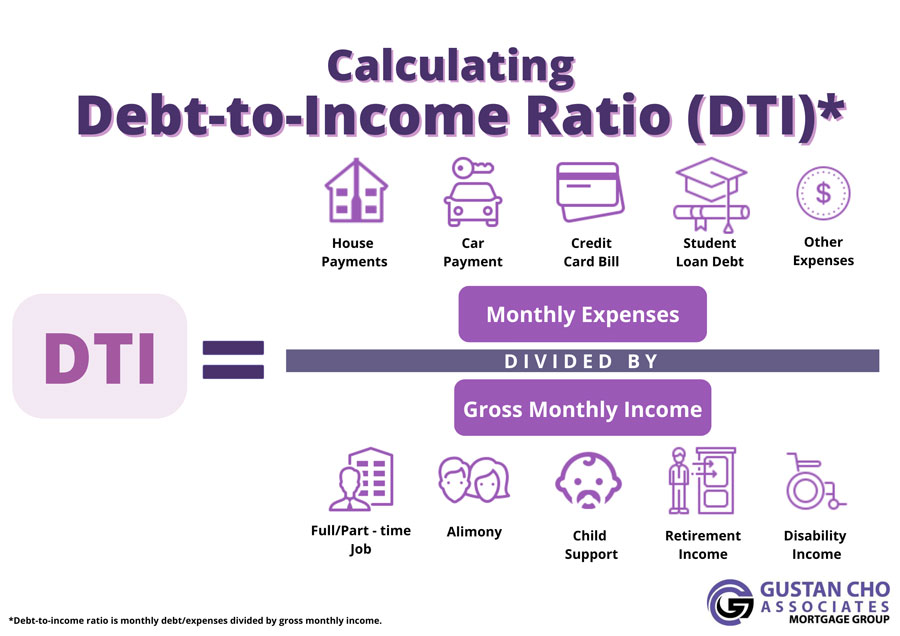
gustancho.com
Boost Your Credit With New Credit To Qualify For A Mortgage
Boost your credit with new credit to qualify for a mortgage . New secured credit cards and credit builder loans increases credit scores for mortgage
-
Ultimate Guide to Buying a House in Wisconsin: Complete Overview of Wisconsin Mortgage Loans for 2026
Wisconsin’s Dynamic Housing Market: What Homebuyers Need to Know
Wisconsin presents homebuyers with exceptional opportunities across one of the Midwest’s most diverse real estate landscapes. From the bustling urban corridors of Milwaukee and Madison to the scenic beauty of Door County’s peninsula, the charming college towns of La Crosse and Eau Claire, and the peaceful farming communities dotting the countryside, Wisconsin offers something for every lifestyle and budget. The state’s housing market has demonstrated remarkable resilience, maintaining affordability while major coastal markets have priced out average buyers.
Understanding Wisconsin’s regional price variations is essential for smart homebuying. The Madison metropolitan area, home to the state capital and University of Wisconsin’s flagship campus, typically commands the highest prices in the state, with median home values often exceeding the state average by 30-40 percent. Milwaukee’s diverse neighborhoods range from affordable options on the city’s northwest and south sides to premium properties in the North Shore suburbs like Whitefish Bay, Shorewood, and Fox Point, where lakefront living commands top dollar. Meanwhile, cities like Green Bay, Appleton, Oshkosh, and the Fox Cities offer excellent value with strong job markets driven by manufacturing, healthcare, and education sectors.
The Wisconsin Dells area presents unique opportunities for both primary residences and vacation properties, while Northwoods communities like Rhinelander, Minocqua, and Eagle River attract buyers seeking year-round recreation and retirement destinations. The southwestern region, including La Crosse and the scenic bluff country, offers remarkable natural beauty at prices significantly below the state’s urban centers. Even within the Milwaukee metro area, suburban communities like Waukesha, Brookfield, Menomonee Falls, and Germantown provide excellent school districts and family-friendly environments at more accessible price points than the city’s East Side or downtown districts.
Regional Market Insights Across Wisconsin
The Greater Milwaukee Area encompasses not just the city proper but also thriving suburbs in Waukesha, Ozaukee, and Washington counties. Milwaukee’s housing stock includes historic Victorian homes in neighborhoods like Bay View and Walker’s Point, contemporary condos in the Historic Third Ward and downtown, and suburban developments throughout the metro area. The city’s ongoing revitalization has made previously overlooked neighborhoods increasingly attractive, with areas like Riverwest, Brewers Hill, and the near south side seeing substantial investment and appreciation.
Madison and Dane County continue to experience strong demand driven by state government employment, the University of Wisconsin, and a thriving tech sector nicknamed “Silicon Badger.” Neighborhoods on the isthmus between Lakes Mendota and Monona are particularly desirable but competitive. Suburbs like Middleton, Fitchburg, Verona, and Sun Prairie offer newer construction and excellent schools while maintaining reasonable commute times to downtown Madison. The challenge for Madison-area buyers is often competition—multiple offers are common, and being pre-approved with strong financing is essential.
The Fox Cities region (Appleton, Neenah, Menasha, Kaukauna) represents one of Wisconsin’s best values for homebuyers seeking economic opportunity combined with affordability. The area’s economy, historically rooted in paper manufacturing, has successfully diversified into healthcare, insurance, and technology. Lawrence University in Appleton adds cultural vitality, while the region’s location between Green Bay and Oshkosh provides convenient access to larger urban amenities.
Green Bay and Northeast Wisconsin offer affordable housing near one of the NFL’s most storied franchises and a growing economy beyond the Packers. The Green Bay metro area, including De Pere, Ashwaubenon, and Howard, provides suburban living with easy access to employment centers, while smaller communities like Marinette, Oconto, and Sturgeon Bay offer even greater affordability and access to Lake Michigan recreation.
La Crosse and Western Wisconsin blend natural beauty with economic stability. The “coulee region” provides stunning topography unusual for the Midwest, with homes nestled in valleys and perched on bluffs overlooking the Mississippi River. La Crosse serves as a regional healthcare and education hub, while nearby communities like Onalaska offer newer suburban developments. This region particularly appeals to outdoor enthusiasts drawn to the Mississippi River, extensive biking trails, and abundant hunting and fishing opportunities.
Central Wisconsin, anchored by Wausau, Stevens Point, and Wisconsin Rapids, offers exceptional affordability for families and retirees. These communities provide solid employment in insurance, healthcare, and manufacturing, along with access to thousands of acres of state and county forest land. The region’s slower appreciation means your housing dollar stretches further, though it also means building equity may take longer than in faster-growing markets.
The Northwoods (Rhinelander, Minocqua, Eagle River, Tomahawk) caters to a specialized market of vacation homebuyers, retirees, and those seeking small-town life surrounded by pristine lakes and forests. Properties range from modest year-round homes to luxury lakefront estates. Buyers should carefully consider the seasonal nature of local economies and potentially higher costs for services in these less densely populated areas.
Seasonal Considerations in Wisconsin’s Housing Market
Wisconsin’s distinct seasons significantly impact the homebuying process and timeline. The spring market, traditionally launching in late March and April, brings the year’s largest inventory as sellers prepare homes over winter for spring listings. This period sees peak competition, with multiple offers common in desirable neighborhoods and price ranges. Summer maintains strong activity through August, particularly for families hoping to relocate before the school year begins.
Fall, from September through November, offers a “second spring” with motivated sellers who missed the summer market and buyers who want to close before winter. Inventory decreases but so does competition, creating negotiating opportunities. Winter, December through February, represents Wisconsin’s slowest real estate period. Sellers listing during winter are often highly motivated—relocating for jobs, experiencing life changes, or needing to sell regardless of season. Winter buyers face limited selection but reduced competition and potentially greater willingness from sellers to negotiate on price or closing costs.
Smart Wisconsin buyers also consider how seasons affect home inspection priorities. Winter inspections can reveal how well heating systems perform and whether ice damming occurs, while summer inspections better show drainage, foundation issues, and air conditioning performance. A spring inspection during snowmelt can reveal basement water intrusion issues that might be hidden during drier seasons.
Understanding Wisconsin Property Taxes and Homeownership Costs
Wisconsin property owners should prepare for property taxes that typically exceed national averages, though this varies dramatically by municipality. Milwaukee and Madison have among the state’s highest mill rates, while rural townships may have significantly lower taxes. However, Wisconsin offers some relief through programs like the Homestead Credit for eligible lower-income homeowners and the Veterans and Surviving Spouses Property Tax Credit.
When calculating affordability, Wisconsin buyers must also consider heating costs—winter heating bills can be substantial, particularly for older homes with dated insulation and heating systems. Properties with updated insulation, energy-efficient windows, and modern furnaces save thousands annually. Many Wisconsin utility companies offer energy audits and rebates for efficiency improvements, making these upgrades more affordable.
Wisconsin homeowners insurance costs remain moderate compared to disaster-prone regions, though rates have increased in recent years. Comprehensive coverage should address winter-related risks like ice damming and frozen pipe damage, which are common Wisconsin claims. Homes in flood-prone areas near rivers or in lakefront locations may require separate flood insurance.
Types of Wisconsin Mortgage Loans: In-Depth Analysis
Wisconsin homebuyers can access numerous financing options, each suited to different circumstances, financial profiles, and property types. Understanding the nuances of each loan type helps you make informed decisions aligned with your long-term financial goals.
Conventional Mortgages: The Mainstream Choice
Conventional loans dominate Wisconsin’s mortgage market, accounting for roughly 60-65 percent of home purchases across the state. These mortgages, offered by banks, credit unions, and mortgage companies, aren’t insured by government agencies, giving lenders flexibility in underwriting criteria while also requiring stricter qualification standards.
For Wisconsin buyers, conventional loans work particularly well when purchasing properties in competitive markets like Madison or Milwaukee’s East Side, where sellers often prefer buyers without the additional requirements that government-backed loans may entail. Credit score requirements typically start at 620, though borrowers with scores below 680 face higher interest rates and less favorable terms. To access the most competitive rates and lowest fees, Wisconsin buyers should aim for credit scores of 740 or higher.
Down payment requirements for conventional loans vary based on the loan type. Standard conventional mortgages typically require 5-20 percent down, though programs like Fannie Mae’s HomeReady and Freddie Mac’s Home Possible allow qualified first-time buyers to purchase with just three percent down. These programs specifically target low-to-moderate income buyers and include income limits based on area median income, which varies significantly across Wisconsin—what qualifies in Milwaukee differs from rural counties.
Private Mortgage Insurance (PMI) applies to conventional loans with less than 20 percent down payment. Wisconsin buyers should understand that PMI protects the lender, not the borrower, and costs roughly 0.5-1.5 percent of the loan amount annually. However, once you’ve paid down your principal to 80 percent of the home’s original value (or current appraised value through appreciation), you can request PMI removal—a significant advantage over FHA loans where mortgage insurance may last the entire loan term.
Conventional loans accommodate various property types common in Wisconsin, including single-family homes, condominiums (with proper condo association approval), townhouses, and multi-family properties up to four units. For buyers interested in Wisconsin’s duplex markets in cities like Milwaukee, Madison, or La Crosse—where owner-occupied duplexes provide rental income to offset mortgage costs—conventional financing often provides the best terms.
Wisconsin credit unions like Summit Credit Union, Westbury Bank, and UW Credit Union frequently offer competitive conventional loan rates for members, sometimes undercutting larger national lenders. Regional banks such as Associated Bank, Investors Community Bank, and Bank of Sun Prairie also compete aggressively for Wisconsin mortgage business, often providing more personalized service and local market expertise than national institutions.
FHA Loans: Accessible Homeownership for More Wisconsin Buyers
Federal Housing Administration loans have helped millions of Americans achieve homeownership since the program’s 1934 inception, and they remain vital for Wisconsin buyers who face barriers to conventional financing. FHA loans are particularly popular in Wisconsin’s smaller cities and rural areas where home prices remain affordable enough that FHA loan limits don’t pose restrictions.
The FHA program’s primary advantage is accessibility. With credit scores as low as 580, Wisconsin buyers can qualify for FHA financing with just 3.5 percent down. Even borrowers with scores between 500-579 may qualify with 10 percent down, though finding lenders willing to approve loans at these lower score thresholds can be challenging. This flexibility makes FHA loans ideal for first-time buyers, those rebuilding credit after financial setbacks, or buyers with limited savings for down payments.
FHA loans accept higher debt-to-income ratios than conventional mortgages—up to 43 percent with standard underwriting, and sometimes higher with compensating factors like substantial savings or stellar payment history. For Wisconsin buyers in markets with high property taxes like Milwaukee or Madison, this flexibility in debt-to-income calculations can be crucial for qualifying.
The trade-off for FHA accessibility is mortgage insurance. All FHA loans require an upfront mortgage insurance premium of 1.75 percent of the loan amount (typically rolled into the loan balance) plus annual mortgage insurance premiums of 0.45-1.05 percent depending on loan amount, loan-to-value ratio, and loan term. For loans originated after June 2013 with less than 10 percent down, mortgage insurance lasts the entire loan term, only removable through refinancing once you’ve built sufficient equity.
Wisconsin FHA loan limits for 2026 vary by county. Most Wisconsin counties fall under the “low-cost” designation with limits of $498,257 for single-family homes, sufficient for the majority of Wisconsin properties. However, if you’re purchasing in higher-cost pockets or looking at multi-family properties, the limits increase—duplexes up to $637,950, triplexes to $771,125, and fourplexes to $957,900 in standard counties.
FHA loans require the property to meet minimum property standards addressing safety, security, and soundness. Wisconsin’s older housing stock, particularly in Milwaukee, Madison, and smaller industrial cities, sometimes presents challenges meeting FHA standards. Issues like peeling paint in homes built before 1978 (lead paint concerns), roofs with less than two years of remaining life, or properties with active water damage require remediation before FHA approval. Wisconsin buyers should work with experienced FHA lenders and home inspectors who understand these requirements to avoid surprises during the purchase process.
First-time homebuyers using FHA loans in Wisconsin benefit from required homebuyer education courses, which many find valuable for understanding not just the mortgage but the entire homeownership journey. Organizations like NeighborWorks Green Bay, Impact Seven, and local housing authorities throughout Wisconsin offer HUD-approved counseling programs, often free or low-cost.
VA Loans: Honoring Wisconsin’s Military Community
Wisconsin’s substantial military and veteran population, including those connected to Fort McCoy, the 128th Air Refueling Wing at Mitchell Air National Guard Base, and Volk Field Combat Readiness Training Center, makes VA loans an important financing option. The Department of Veterans Affairs guarantees these loans, allowing lenders to offer exceptional terms to those who’ve served.
VA loans require no down payment, regardless of purchase price (within loan limits), making them the most accessible path to homeownership for eligible veterans, active-duty service members, National Guard and Reserve members meeting service requirements, and eligible surviving spouses. In Wisconsin’s affordable markets, this means veterans can purchase homes without years of saving for down payments, immediately building equity rather than paying rent.
VA loans also eliminate monthly mortgage insurance despite zero down payment, a massive advantage over FHA and conventional low-down-payment options. Over a 30-year loan, this saves tens of thousands of dollars. VA rates are typically 0.25-0.50 percent lower than comparable conventional rates, further reducing costs.
The VA funding fee—a one-time charge of 2.15-3.3 percent for first-time VA loan users, depending on down payment and borrower type—helps sustain the program. Veterans receiving VA disability compensation are exempt from this fee, providing even greater savings. The funding fee can be financed into the loan, avoiding out-of-pocket expense at closing.
Wisconsin veterans can use VA loans for primary residences statewide, from condos in downtown Milwaukee to farmhouses in Vernon County. The loan accommodates single-family homes, condominiums (if VA-approved), townhouses, manufactured homes, and even new construction. Some Wisconsin builders in military-heavy areas specifically advertise VA loan friendliness, understanding the program’s requirements.
VA loans have generous qualification standards, focusing on stable income and reasonable credit rather than rigid minimum scores. While lenders often prefer 620 or higher scores, the VA itself sets no minimum, and some Wisconsin lenders work with veterans at lower scores. The program also takes a comprehensive view of past credit issues, looking at circumstances and subsequent payment patterns rather than simply denying based on past bankruptcies or foreclosures.
Wisconsin veterans should work with lenders experienced in VA loans, as the program has specific requirements that general mortgage lenders may not fully understand. VA loans require properties to meet Minimum Property Requirements ensuring they’re safe, sanitary, and structurally sound. Wisconsin’s older housing stock sometimes needs updates to meet these standards, but sellers often negotiate repairs for VA buyers, particularly if the buyer is using the VA’s full entitlement and bringing strong financial qualifications beyond the loan guaranty.
For veterans considering Wisconsin’s strong rural housing markets, VA loans work seamlessly for country properties including farms and acreage, as long as the property is primarily residential (not a working commercial farm). This opens opportunities in Wisconsin’s beautiful rural counties where land and privacy come at reasonable prices.
USDA Loans: Rural Wisconsin Homeownership Without Down Payments
The United States Department of Agriculture Rural Development program provides zero-down-payment financing for eligible buyers purchasing in designated rural areas—which includes far more of Wisconsin than most people realize. The program aims to strengthen rural economies and provide homeownership opportunities in less densely populated areas.
Wisconsin’s USDA-eligible areas encompass most of the state outside Milwaukee, Madison, and Green Bay city centers. Surprisingly, this includes many suburban and exurban communities that don’t feel “rural” at all. Cities like Kenosha, Racine, Sheboygan, Janesville, Beloit, and significant portions of their surrounding areas qualify. The USDA provides an address eligibility search on their website, and many potential buyers are pleasantly surprised to learn their desired neighborhoods qualify.
USDA loans require zero down payment for eligible borrowers, and unlike VA loans which are benefit-based, USDA loans are available to any qualified buyer in eligible areas. This makes them excellent options for first-time buyers, families relocating to Wisconsin’s smaller communities, or anyone drawn to the state’s small-town lifestyle who meets income requirements.
Income eligibility is key to USDA loan qualification. The program targets low-to-moderate income households, defining this as income at or below 115 percent of area median income (AMI). Wisconsin’s AMI varies substantially by county and household size. A family of four in Dane County (Madison area) has a higher income limit than the same family in Clark County, reflecting differences in regional economics. Most Wisconsin counties have USDA income limits for a family of four in the $103,000-$115,000 range, though some lower-cost rural counties have lower limits.
USDA loans offer competitive interest rates, often matching or beating conventional rates. The program charges a one-time guarantee fee of one percent of the loan amount (rolled into the loan) plus an annual fee of 0.35 percent. This is significantly less expensive than FHA mortgage insurance, making USDA loans the most affordable government-backed option when you qualify.
Credit requirements for USDA loans are moderate—while the USDA itself doesn’t set a minimum score, most lenders require 640 or higher for streamlined underwriting. Lower scores may qualify through manual underwriting with compensating factors. The program takes a comprehensive view of credit history, considering the context of past issues and emphasizing recent payment patterns.
Wisconsin buyers interested in USDA financing should understand that properties must be modest in size and design—no luxurious amenities or properties designed for income production. The home must be your primary residence, and you cannot have adequate housing in the area already (making this unsuitable for vacation homes). Eligible properties include single-family homes, townhouses, condominiums, and new construction in USDA-eligible areas.
For Wisconsin families drawn to communities like Reedsburg, Richland Center, Viroqua, Tomah, Marinette, Antigo, or countless smaller towns and townships, USDA loans provide unmatched value. The combination of zero down payment, low mortgage insurance, and competitive rates in areas where home prices remain affordable creates genuine pathways to homeownership for working Wisconsin families.
Wisconsin Housing and Economic Development Authority (WHEDA) Programs: State-Specific Homebuyer Assistance
WHEDA represents Wisconsin’s most underutilized homebuyer resource. This state agency provides multiple programs designed to make homeownership accessible to more Wisconsin residents, yet many potential buyers remain unaware of these valuable options.
The WHEDA Advantage program combines conventional or FHA first mortgage financing with down payment and closing cost assistance. Qualified buyers receive a second mortgage for up to $7,500 (or $10,000 for new construction) at a competitive interest rate with monthly payments. This second loan helps cover down payment and closing costs that often prevent otherwise qualified buyers from purchasing. After five years of on-time payments and continued occupancy, WHEDA forgives 20 percent of the original loan amount annually, completely forgiving the loan after five years—essentially making it a grant if you meet requirements.
WHEDA Easy Close provides up to $3,500 in closing cost assistance without income restrictions, available to any Wisconsin buyer purchasing a home with WHEDA financing. This doesn’t reduce your down payment but helps with the numerous fees, insurance costs, prepaid taxes, and other expenses that accumulate at closing. For buyers who’ve saved for a down payment but struggle with additional closing expenses, Easy Close bridges that gap.
WHEDA programs require participation in a homebuyer education course, which consistently receives positive feedback from graduates who find the comprehensive curriculum valuable for understanding not just mortgages but homeowner insurance, budgeting, maintenance, and the full scope of homeownership responsibilities.
Income and purchase price limits apply to most WHEDA programs, varying by county and household size. These limits are generous enough to include moderate-income Wisconsin families, not just those at poverty levels. A family of four in many Wisconsin counties can earn $95,000-$115,000 and still qualify for WHEDA assistance, making these programs accessible to working middle-class families, not just low-income households.
WHEDA also offers programs specifically for veterans (WHEDA Heroes) and first-generation homebuyers whose parents never owned homes. The organization partners with approved Wisconsin lenders statewide—the WHEDA website provides a searchable database of participating lenders, ensuring buyers across all regions can access these programs.
For more comprehensive details about WHEDA programs, income limits for your county, and approved lenders, visit the Wisconsin Housing and Economic Development Authority website or speak with lenders experienced in WHEDA financing.
Jumbo Loans: Financing Wisconsin’s Premium Properties
While Wisconsin’s housing affordability means most buyers never encounter conforming loan limits, certain premium markets and property types require jumbo financing. Any mortgage exceeding conforming limits ($806,500 for single-family homes in 2026 for most counties) requires a jumbo loan with different underwriting standards.
Wisconsin’s jumbo market concentrates in specific niches: lakefront properties on Lake Geneva, Lake Pewaukee, and other prestigious lakes; luxury homes in Milwaukee’s North Shore suburbs (Whitefish Bay, Shorewood, Fox Point, River Hills); upscale Madison neighborhoods like Maple Bluff and University Heights; and premium Door County waterfront properties. Urban Milwaukee’s downtown condo market occasionally hits jumbo territory for high-floor units with premium views, as do historical mansions in neighborhoods like Brewer’s Hill or Lake Drive.
Jumbo loans demand stronger financial profiles than conforming mortgages. Lenders typically require credit scores of 700 minimum, preferably 740 or higher for optimal rates. Down payments usually range from 10-20 percent minimum, with 20 percent down often providing better rates and terms. Debt-to-income ratios face stricter limits, usually maxing at 43 percent, sometimes lower depending on the lender and loan size.
Cash reserves represent another key jumbo requirement. Lenders want to see 6-12 months of mortgage payments in liquid reserves after closing, demonstrating financial stability and ability to weather income disruptions. For a $1 million mortgage in Milwaukee’s premium market, this could mean $60,000-$120,000 in accessible savings beyond your down payment and closing costs.
Jumbo rates have narrowed the gap with conforming loan rates in recent years, sometimes matching or falling slightly below conforming rates as lenders compete for wealthy borrowers. Wisconsin buyers shopping for jumbo loans should compare multiple lenders—local banks, national lenders, and private banks all compete in this space with varying requirements and rates.
Documentation requirements for jumbo loans exceed those for conforming mortgages. Expect to provide extensive income verification, multiple years of tax returns, detailed asset statements, and explanations for any unusual deposits or financial transactions. Self-employed Wisconsin buyers face particularly rigorous documentation requirements, often needing two years of business tax returns and proof of business stability.
Specialized Wisconsin Mortgage Programs and Considerations
Beyond the primary loan types, Wisconsin buyers should know about additional resources and specialized situations.
203(k) Rehabilitation Loans allow buyers to finance both the purchase and renovation costs in a single mortgage, ideal for Wisconsin’s abundant fixer-upper inventory, particularly in older cities like Milwaukee, Racine, Kenosha, and Madison. Rather than needing separate construction loans, buyers can roll renovation costs into their FHA mortgage, making home improvements immediately affordable.
HomeStyle Renovation Loans provide the conventional mortgage equivalent of 203(k) loans, often offering better terms for buyers with stronger credit who are purchasing and renovating properties that exceed FHA loan limits. These work well for Milwaukee area buyers tackling larger renovation projects on properties in appreciating neighborhoods.
Native American Direct Loan Program (NADL) serves eligible Native American veterans purchasing, building, or improving homes on federal trust land. Wisconsin’s tribal lands, including Oneida, Menominee, Ho-Chunk, and other nations, have veterans who can access this specialized VA program.
Energy-Efficient Mortgages provide additional borrowing capacity for energy improvements, relevant for Wisconsin buyers purchasing older homes with significant heating costs. These programs recognize that energy-efficient homes cost less to operate, justifying slightly higher loan amounts for efficiency upgrades.
Making Smart Wisconsin Mortgage Decisions: Action Steps
Choosing the right Wisconsin mortgage requires evaluating multiple factors: your credit profile, down payment capacity, income stability, long-term plans, and property location. Here’s how to approach this decision strategically.
Start with pre-qualification conversations with multiple lenders. Don’t limit yourself to one lender recommendation or assume the bank you’ve used for checking accounts offers the best mortgage terms. Compare at least three lenders including a local credit union, regional bank, and national mortgage company. Wisconsin credit unions often provide exceptional value for members, while national lenders may offer more specialized programs.
Understand what you can afford beyond the maximum loan approval. Lenders approve loans based on standard calculations, but you know your spending patterns, lifestyle preferences, and financial goals. In Wisconsin’s high property tax environment, factor these costs carefully. A home with $6,000 annual property taxes costs $500 monthly beyond your mortgage payment—reducing what you can comfortably spend on the mortgage itself.
Consider your timeline. If you plan to relocate within five years for career advancement or family reasons, an ARM (adjustable-rate mortgage) might offer lower initial rates. If you’re settling into a Wisconsin community long-term—raising children through school, establishing your career, building community ties—a 30-year fixed mortgage provides payment stability regardless of future interest rate changes.
Factor in Wisconsin’s seasonal market dynamics. Winter buyers face less competition but limited inventory. Spring and summer buyers have more choices but face multiple offers and less negotiating power. Your mortgage pre-approval should be complete well before you start shopping, especially in competitive seasons and markets.
Leverage available assistance programs. WHEDA programs alone save thousands of dollars for qualified Wisconsin buyers, yet countless eligible families never apply simply because they’re unaware. First-time buyers, in particular, should thoroughly explore WHEDA, local housing authority programs, and employer-sponsored down payment assistance (offered by major Wisconsin employers including UW Health, Advocate Aurora, and many municipalities).
For more detailed information about Wisconsin mortgage options, current rates, and personalized guidance for your specific situation, visit GCA Mortgage Group’s Wisconsin mortgage loans page, where experienced professionals help Wisconsin homebuyers navigate financing options and find the best solutions for their circumstances.
The Wisconsin Homeownership Journey: Final Thoughts
Wisconsin offers exceptional value for homebuyers willing to embrace the state’s climate, communities, and lifestyle. Whether you’re drawn to urban culture in Milwaukee’s vibrant neighborhoods, college-town energy in Madison or La Crosse, small-town Wisconsin charm in communities like Bayfield or Mineral Point, or rural peace in the state’s farming regions and Northwoods, financing options exist to make homeownership achievable.
The key is understanding which programs align with your financial profile and homeownership goals, then working with knowledgeable professionals who understand Wisconsin’s market nuances. Real estate agents familiar with local markets, experienced mortgage loan officers who know state-specific programs, skilled home inspectors who understand Wisconsin’s building stock and weather-related concerns, and attorneys or title companies handling closings all contribute to successful homebuying experiences.
Wisconsin’s combination of affordable housing, strong employment across diverse industries, excellent education systems (both K-12 and higher education), abundant recreation opportunities, and genuine community spirit continues attracting new residents from across the country. Understanding your mortgage options transforms that attraction into the reality of homeownership, building equity and establishing roots in communities that have made Wisconsin home for generations.
Whether this is your first home purchase or you’re a seasoned buyer relocating to Wisconsin, taking time to understand your financing options, comparing lenders, exploring assistance programs, and making informed decisions sets the foundation for successful, sustainable homeownership in America’s Dairyland.
Check out this link on GCA Mortgage Group About 2026 Guide To Wisconsin Mortgage Loans http://www.gcamortgage.com/wisconsin-mortgage-loans/
Check out this link to The Best Wisconsin Mortgage Calculator https://gustancho.com/wisconsin-mortgage-calculator/
-
Strategic Guide for Wyoming Home Guide-Mortgage Loans Forum Post
-
Title Structure: “Wyoming Home Buying Guide: Mortgage Loans, Programs & First-Time Buyer Tips”
Complete Guide to Buying a House in Wyoming: Mortgage Loans & Programs
Wyoming offers unique opportunities for homebuyers, from affordable housing markets in smaller cities to growing communities like Cheyenne and Casper. Whether you’re a first-time buyer or relocating to the Cowboy State, understanding Wyoming’s mortgage landscape can save you thousands and streamline your home purchase.
Wyoming Housing Market Overview
Wyoming’s housing market is characterized by relatively affordable median home prices compared to national averages, though costs vary significantly between rural areas and more populated regions. Cities like Jackson Hole command premium prices due to tourism and limited inventory, while communities like Gillette, Casper, and Laramie offer more accessible entry points for homebuyers.
Key market factors include:
- Lower property taxes compared to many states
- No state income tax, improving buying power
- Seasonal market fluctuations, especially in tourist areas
- Limited inventory in high-demand locations
- Strong appreciation in certain markets
Types of Wyoming Mortgage Loans
Conventional LoansConventional mortgages remain the most common financing option in Wyoming. These loans aren’t backed by the government and typically require:
- Credit scores of 620 or higher (640+ for best rates)
- Down payments from 3% to 20%
- Private Mortgage Insurance (PMI) if down payment is less than 20%
- Competitive interest rates for qualified borrowers
- Loan limits up to conforming limits (higher in some Wyoming counties)
Best for: Buyers with strong credit and stable income seeking competitive rates and flexible terms.
FHA Loans (Federal Housing Administration)
FHA loans are popular among Wyoming first-time homebuyers and those with limited savings:
- Minimum credit scores as low as 580 (sometimes 500 with larger down payment)
- Down payments as low as 3.5%
- More lenient debt-to-income ratios
- Mortgage insurance required (both upfront and monthly)
- Loan limits vary by county
Best for: First-time buyers, those with lower credit scores, or buyers with limited down payment funds.
VA Loans (Veterans Affairs)
Active-duty service members, veterans, and eligible spouses can access exceptional benefits through VA loans:
- No down payment required
- No private mortgage insurance
- Competitive interest rates
- More flexible credit requirements
- Funding fee applies (can be financed into loan)
- Available at military-connected areas including F.E. Warren Air Force Base
Best for: Eligible military members and veterans seeking maximum buying power with minimal upfront costs.
USDA Loans (Rural Development)
Given Wyoming’s vast rural landscape, USDA loans serve many communities:
- No down payment required for eligible properties
- Income limits apply based on household size and location
- Properties must be in USDA-eligible rural areas (many Wyoming locations qualify)
- Competitive interest rates
- Upfront and annual guarantee fees apply
Best for: Low-to-moderate income buyers purchasing in eligible rural Wyoming communities.
Jumbo Loans
For high-value properties exceeding conforming loan limits, especially in markets like Jackson Hole and Teton County:
- Loan amounts exceeding $806,500 (2025 conforming limit)
- Stricter credit requirements (typically 700+ credit score)
- Larger down payments often required (10-20%+)
- Higher interest rates than conforming loans
- Detailed documentation of assets and income
Best for: Buyers purchasing luxury or high-value properties in premium Wyoming markets.
Wyoming-Specific Homebuyer Programs
Wyoming Community Development Authority (WCDA)The WCDA offers several programs to help Wyoming residents achieve homeownership:
1. WCDA Home Loan Programs
- Down payment assistance options
- Competitive interest rates
- First-time homebuyer programs
- Income and purchase price limits apply
- Homebuyer education requirement
2. Down Payment Assistance
- Helps with down payment and closing costs
- Offered as second mortgage or grant
- Repayment terms vary by program
- Combined with first mortgage for comprehensive financing
Local City and County Programs
Some Wyoming municipalities offer additional assistance:
- Cheyenne housing programs
- Casper first-time buyer initiatives
- County-specific down payment assistance
- Employer-assisted housing programs (common in energy sector)
Steps to Buying a House in Wyoming
1. Check Your Credit and Finances Review credit reports, calculate debt-to-income ratio, and save for down payment and closing costs (typically 2-5% of purchase price).
2. Get Pre-Approved Work with Wyoming mortgage lenders who understand local market conditions and program availability. Pre-approval strengthens your offer in competitive markets.
3. Choose the Right Location Consider factors like employment centers (energy, tourism, government), school districts, property taxes, and proximity to amenities. Wyoming’s communities offer diverse lifestyles from rural ranch living to small city convenience.
4. Work with Local Professionals Partner with Wyoming-experienced real estate agents, lenders, and inspectors who understand regional considerations like well/septic systems, mineral rights, and weather-related property concerns.
5. Home Inspection and Appraisal Wyoming-specific considerations include foundation issues from clay soil, weather damage, heating system efficiency for harsh winters, and rural property features like outbuildings and land.
6. Close on Your Home Review closing documents carefully, bring required funds (cashier’s check or wire transfer), and sign final paperwork to receive keys to your Wyoming home.
Wyoming Mortgage Considerations
Property Taxes: Wyoming has relatively low property tax rates, though they vary by county. This improves long-term affordability.
Homeowners Insurance: Wind, hail, and winter weather can impact insurance costs. Shop multiple providers for competitive rates.
Rural Property Features: Well water, septic systems, propane heating, and larger acreage may affect financing requirements and ongoing costs.
Mineral Rights: Some Wyoming properties have separated mineral rights. Understand implications before purchasing.
Market Timing: Wyoming markets can be seasonal, with more activity spring through fall. Winter may offer less competition but limited inventory.
Tips for Wyoming Homebuyers
- Take homebuyer education courses: Many assistance programs require this, and the knowledge is invaluable
- Compare multiple lenders: Rates and fees can vary significantly between lenders
- Understand total monthly costs: Include property taxes, insurance, HOA fees (if applicable), and utilities
- Plan for Wyoming winters: Ensure the home has adequate heating and insulation
- Consider future resale: Job markets in energy-dependent communities can fluctuate
- Budget for maintenance: Older homes and rural properties may require more upkeep
- Explore tax benefits: Mortgage interest deduction and property tax deductions (though Wyoming has no state income tax)
Common Wyoming Homebuyer Questions
Q: What credit score do I need to buy a house in Wyoming?
Minimum scores vary by loan type: FHA (580+), conventional (620+), VA (no strict minimum but typically 580+), USDA (640+). Higher scores secure better rates.
Q: How much down payment do I need?
Depends on loan type: VA and USDA offer 0% down, FHA requires 3.5%, conventional typically 3-20%. Down payment assistance programs can help bridge the gap.
Q: Are there special programs for first-time homebuyers in Wyoming?
Yes, the Wyoming Community Development Authority offers programs specifically for first-time buyers, including down payment assistance and favorable interest rates.
Q: What’s the average time to close on a Wyoming home?
Typically 30-45 days from offer acceptance, though cash purchases or issues with inspections/appraisals can affect timeline.
How to Implement This Content
Forum Post:
- “For more detailed information about Wyoming mortgage options and to speak with experienced loan officers, visit GCA Mortgage Group’s Wyoming page.”https://www.gcamortgage.com/wyoming-mortgage-loans/

-
-
Can you please give me a comprehensive list of high domain FREE BUSINESS DIRECTORY where I can post my real estate business and Mortgage Loan Origination Busineds and where they will let me post a do’gollow back link. I am looking for a business directory that will not delete my do follow back link after couple of weeks. What are some other options that you advise in getting high DA/PA back links. Thank you
-
Current SPDR Dow Jones Industrial Average ETF (DIA) Market Info
- SPDR Dow Jones Industrial Average ETF trades in the US market.
- The current price is $487.03 USD, down $0.12 (0.00%) from the previous close.
- Last opened at $486.87. Current intraday volume is 2,711,695.
- The highest intraday price is $487.57, and the lowest is $485.75.
- Last trade occurred on December 26 at 19:15:00 CST.
Shifting from market data to broader financial news, here is a recap from GCA FORUMS covering national breaking news for the week of Dec 16 to Dec 28, 2025.LIVE market + rate snapshot (latest available as of Sunday, Dec 28, 2025; U.S. markets last closed Friday, Dec 26)Stocks (Dec 26 close)
- Dow Jones: 48,711 (fractionally down on the day; weekly gain noted).
- S&P 500: 6,929.94 (holiday-thin trading; near record).
- Nasdaq Composite: 23,5939
Rates (LIVE)
- Fed funds target range: 3.50%–3.75% (Dec 10 FOMC decision. Continues to frame markets this period)
- 10-year Treasury yield: ~4.14%
- Freddie Mac 30Y fixed mortgage rate: 6.18% (week of Dec 24)
- Mortgage News Daily 30Y fixed mortgage rate: 6.20% (Dec 26)
Precious metals (LIVE)
- Silver: record levels; cited ~$79.39/oz on Dec 28 (almost $80)
- Silver (Dec 26 Reuters): ~$77.30/oz
1) Turning to the main events of this time: The biggest stories from Dec 16–28 focus on changes in housing, mortgages, and markets. Economy and inflation: A job market where companies are not hiring or firing much, and tariffs are still in place.
- Dec 16 (Jobs): November’s job report shows an increase in payrolls of 64,000. The unemployment rate sits at 4.6% (metrics released in this job report were affected by the prior government shutdown disruption).
- The recent drop in inflation may give consumers some short-term relief. However, Reuters reports that higher costs from tariffs are still driving up prices, making it difficult for inflation to fall further. This puts pressure on family budgets and could slow down the economy, affecting areas like housing and mortgages.
- Dec 24 (Jobless claims): Initial claims were 214,000 (low layoffs), but rising continued claims signal stagnant hiring.
Why GCA Forums readers care: When hiring slows and prices remain high, mortgage rates typically remain unchanged unless inflation declines further. This can prevent homes from becoming more affordable, which affects people looking to buy and the housing market as a whole.
2) Federal Reserve: December’s Cut Set the Tone for Rate-cut Bets into 2026
For your window (starting Dec 16), markets were still reacting to the Dec 10 Fed decision, which kept rates at 3. By late December, people in the market were trying to guess when the Fed might lower rates next, as shown by CME’s Fed Watch tool. Hopes for lower rates can alter the cost of borrowing money, which in turn affects how much people and businesses spend and invest. consumer spending across the economy.
Mortgage connection: Mortgage rates are closely tied to bond rates, especially the 10-year Treasury, which was between 4% and 5% during this time. Changes in the bond market can raise or lower mortgage costs, which affects the affordability of homes and the number of people who want to buy them.
3) Housing & mortgage market: sales stabilized, affordability still the wall
- Existing-home sales (Nov, released Dec 19): up 0.5% to 4.13M SAAR; median price $409,200; inventory about 1.43M units or 4.2 months’ supply.
NAR
- Mortgage applications: Down about 5% as the regular seasonal holiday slowdown begins.
- MBA News link notes “apps continue to drop under 5%.”
- Mortgage Rates: Rates remain consistent with those of recent years, with 30-year loans currently above 6%.
- Elevated rates can reduce buyer affordability. Higher rates can make it harder for buyers to afford homes, slow down refinancing, and limit new home sales, which in turn affect the entire housing market. comments of the originators.
People still want to buy homes, but high payments and less affordable prices are holding many buyers back. The refinancing market reacts quickly to even small changes in interest rates, illustrating how these changes directly impact mortgages and individuals’ financial decisions.
4) In equity markets, thin holiday trading was notable, with AI/Tech leading and the S&P 500 reaching near-record levels.
The S&P 500 closed at record highs, including a new high during the day on December 24, thanks to gains in AI and tech stocks and lower interest rates. Higher stock prices can make people feel more confident and willing to spend, but this extra wealth may not lead to more home buying if homes are still too expensive or rates are high.-holiday session): Throughout the day, the indexes barely moved, but the weekly gains are intact. (AP News)
From the GCA perspective, rising stock prices can boost consumer confidence.
However, mortgage affordability depends more on housing inventory and interest rates than on the level of the stock market.
Therefore, stock market wealth may not be enough to overcome the barriers to buying a home.
5) Silver Surges To Almost 80 Dollars
Silver is a notable asset and will headline as follows:
- Silver was reported at approximately $77.30/oz on December 26.
- On December 28, silver was quoted at $79.39/oz, nearing $80.
- This significant price increase can benefit some investors, but it also suggests that there may be rising prices for goods, which could lead to higher manufacturing costs and impact the broader economy.
AP flagged Silver’s major price surge in its late-week market wrap.
Beyond financial markets, significant political and legal headlines emerged from December 16 to 28.“Acquittal” of NY AG Letitia James & Former FBI Director James Comey – What Credible Reporting Shows
I did not find credible reporting of any “acquittal” of these two.
What was reported by the major outlets was as follows:
- Both charges were dismissed without prejudice by a federal judge (date: November 24, 2025).
- It is reported that a grand jury declined to re-indict. (Date: Key point: Dismissals/declined indictments are not acquittals.)
- Acquittals are “not guilty” verdicts after trial..
Escalation Of Funding Fights With Enforcement On Sanctuary City Immigration
Developments relevant to your timeframe include:
- Dec 23: A federal judge dismissed the Department of Justice lawsuit regarding New York’s immigration law.
- The administration claimed to have obstructed New York’s immigration law.
- Dec 24: A federal judge blocks the administration’s attempt to remove a specific Homeland Security grant, which is conditional funding related to the partnership for domestic immigration enforcement (AP report).
- Dec 22: The administration raised its “self-deport” stipend to $3,000, which the administration defends on the grounds of costs and aims at enforcement. Dec 28:
- The Washington Post analyzed voting shifts to community-based ICE arrests, discussing controversy over targeted ICE deportations.
- Watch for imminent developments after Dec 28.
- Looking ahead, noteworthy economic indicators are pending:
- Pending Home Sales data (Nov 2025) will be released on Monday, December 29, 2025 (NAR).
- Case-Shiller Home Price Index: The next index will be released on December 30, 2025 (this is a series with a two-month lag).
- Any renewed movement in the 10 Year Yield (still the heart of mortgage pricing).
https://www.youtube.com/watch?v=8T1LHEDJkN8
-
This discussion was modified 2 months, 1 week ago by Sapna Sharma.
-
Hello,
I have a question I was hoping you can answer.
If I have a home currently under a natural disaster forbearance that I end with a disaster loan modification will there be a waiting period to qualify for a new mortgage ?
I’m looking to rent this one out and buy a home somewhere else.Thank you,
-
I need to buy a house and I got denied with a lender who was extremely incompetent where I got pre-approved and at the last minute I got denied due to my debt to income ratio. I am trying to buy a house for $200,000. My situation is I have full time employment. However, in 2024, I worked 40 hours consistently and made 80,000. However, in 2025, I only made 50,000 because my hours was reduced to a minimum of 32 hours due to going to a certificate training program for work. I am still classified full time since I work between 32 and 36 hours. I will be done with the certified training program in June 2026. I also have two newer vehicles under my name which is 780 per month for mine and 600 per month for my fiancee. This pushes my debt to income ratio to 70% back end with my father included as non-occupant co-signer. What solution do you have on me qualifying and getting approved for an FHA loan? Any ideas would be greatly appreciated. Is there any way my fiancee can take the hit on the vehicle he is driving and paying for even though it is under my name? He cannot refinance under his name because he went through a divorce and has tons of recent derogatory tradelines.
-
The Minnesota Mortgage Calculator powered by Gustan Cho Associates is hands down the best online mortgage calculator that is user-friendly and anyone can not just calculate their Principal and Interest Payment BUT the total housing payment including PITI and HOA if applicable. Users of The Minnesota Mortgage Calculator can not just calculate the most accurate housing payment but the second part of the Minnesota Mortgage Calculator enables users to calculate debt-to-income ratios as well as whether or not you qualify for an FHA, VA, USDA, Conventional, Non-QM, or Jumbo Loans. If you are buying a house in Minnesota, The Best Minnesota Mortgage Calculator is the online calculator of choice where anyone without math know how can calculate the housing payment that is the most accurate as well the debt-to-income ratio. GCA FORUMS has been getting a lot of inquiries from loan officers and mortgage professionals of other mortgage lenders as well as realtors in Minnesota in being able to use the Minnesota Mortgage Calculator and having it white labeled to their brand, which can be done, according to GCA Forums and Gustan Cho Associates Chief Technology Officer.
-
I heard Minnesota is supposed to be one of the most beautiful states in the country. Gorgeous landscape with tons of lakes where fishing is one of the most popular sport for all type of folks, from kids to older people. However, with the millions of dollars of welfare fraud uncover and potential the governor and politicians may be involved, how will this affect taxpayers in Minnesota. As a law enforcement officer in Illinois and retirement just a year ago, I was planning on retiring to Minnesota and enjoy life. Fresh air, beautiful landscape, countless of fresh water lakes and clean fish. Now I am thinking twice about moving to Minnesota.
https://gustancho.com/best-minnesota-mortgage-lenders-for-bad-credit/
-
Can you please explain why GCA Forums (Great Community Authority Forums https://www.gcaforums.com/) does not appear on first position of the first page on Google? GCA FORUMS has been live for almost three years and has thousands of posts, threads, discussions, blogs, pages, Daily News, live rates and stock market indices, business directory, classified ads, user-friendly resource tools, and countless other priceless unique sections that make Great Community Authority Forums above and beyond the competition. When I type in GCA FORUMS on Google Search, it should pop up on first position. It does not. Once in a great while, it shows up in first position but then it disappears. When we first created the forum, the original URL was forum.gustanchoassociates.com. After several months we got a new URL gcaforums.com and had the initial forum URL redirected to the new URL. That was three years ago and to this date, GCA Forums is not listed on First Page, First Position. It is not even in the first 10 pages. Something is wrong and would gratefully appreciate if you can find the solution. Can you please analyze http://www.gcaforums.com and give me a comprehensive detailed step by step findings on potential issues we are encountering on gcaforums.com and what solution that you advise? If you can give us a checklist, one by one, where our Technical Director can thoroughly go over the glitch that we are experiencing. Thank you.
-
This discussion was modified 1 month ago by Sapna Sharma.

gcaforums.com
GCA Forums activities in an online community to share ideas, ask questions, and connect with like-minded individuals.
-
This discussion was modified 1 month ago by
-
There are many conflicting stories on silver price forecast per ounce. There are some ridiculous YouTube videos that are forecasting silver price will got to 20,000 per ounce. Other podcasters are more of a comedian forecasting silver price at 40,000. However, Robert Kiyosoki, the author of Rich Dad Poor Dad, whom I respect or respected is broadcasting silver price to go to over $1,500. So who’s telling the truth and who is right?
-
GCA FORUMS NEWS For Monday December 29, 2025: Below are revised figures for the Monday, December 29, 2025, GCA Forums News Report, sourced from reliable data. I will note where “live” prices differ by data feed or financial instrument.
GCA Forums News – National Breaking News Report: Monday, December 29, 2025 (America/Chicago)Today’s Market Sentiment
Traders dealt with slow holiday markets and a new rate increase, which led to slow trading. Gold and silver dropped on the CME after margin requirements went up and pushed prices down.
LIVE Closure of the Stock Market (U.S.)
All three indices closed in the red:
Dow Jones Industrial Average: 48,461.93 (loss)
S&P 500: 6,905.74 (loss)
Nasdaq Composite: 23,474.35 (loss)
As the year ends, investors want to secure their profits, and many are reducing risk before the last round of changes to their investments for the month and quarter.
LIVE Closure of the Bond Market and Treasury Yields (U.S. Treasury – December 29, 2025)
Treasury yields show how much it costs to borrow money safely and help predict mortgage costs as they change.
Daily Treasury Par Yield Curves (selected):
- 2-Year: 3.45% (U.S. Department of the Treasury)
- 5-Year: 3.67% (U.S. Department of the Treasury)
- 10-Year: 4.12% (U.S. Department of the Treasury)
- 30-Year: 4.80% (U.S. Department of the Treasury)
The 10-year yield at 4.12% matters because it is the main guide for mortgage rates and affects how people feel about borrowing money. (U.S. Department of the Treasury)
LIVE Fed Policy & Interest Rates
In December, the Federal Reserve kept its strict approach because of ongoing uncertainty and higher risks. Even if rates go down, the current high-rate environment still makes things too expensive for many people.
With Powell’s chairmanship running through May 2026, talk of his departure centers on future succession rather than any immediate change at the helm.
LIVE Mortgage Rates (what matters to borrowers today)
Mortgage pricing remains under pressure due to term yields,
- Unstable mortgage-backed security prices mean that even small drops in interest rates do not help borrowers much. Monthly payments remain high because of rising home prices, insurance, and taxes.
GCA Forums: I can standardize this section to present 30-year fixed, FHA, VA, and 15-year fixed mortgage rates from a consistent source, enabling readers to compare similar products effectively. Metals – Gold & Silver (and YES: silver at $80).
Silver went above $80, reaching a record close to $83.62 before quickly dropping. Even with this big drop, I think this is just a break, not the end of the trend.
Why the sell-off was so violent: CME margin hikes
On December 29, 2025, CME made traders put up more cash for COMEX 5000 Silver Futures, raising the amount needed for main contracts to about $25,000. This amount can change depending on where you trade.
When margins increase, traders must keep more cash on hand, which often forces them to sell positions to meet the new requirements.
- This can make traders add cash quickly or sell some of what they own, which increases selling and pushes prices down even more.
Silver opened at $79.53 yesterday.” Why your number can be right, and feeds can differ.
Unlike stocks on the NYSE, silver does not have a single official opening. Each platform defines “open” differently depending on the instrument:
- spot (XAG/USD) (continuous OTC),
- COMEX futures (which have.
Sunday night, Globex opens and has almost continuous trading, - a specific contract month (Dec/Jan/Mar),
- other currency feeds.
$79.53 may be listed as the “open” on one platform, while another platform or instrument could show a different first-traded price.
Paper vs physical silver
The following explanation may help clarify this for readers :silver (futures, options, unallocated accounts, many ETFs):
- You own a financial product linked to the price of silver.
- These are often bought with borrowed money, especially futures, and can be affected by higher margin requirements.
- Most contracts are settled with money, and only a few end with actual silver being delivered.
Physical silver (silver coins/bars/allocated vaulted metal):
- You possess your own metal, which may be selected, serialized, and stored in a professional vault.
- Physical silver costs extra because of making, shipping, dealer fees, and how much is available.
- During periods of market stress, premiums on physical silver can increase even when the ‘paper’ market experiences significant declines. Reuters published a ‘how silver is traded’ explainer during recent volatility, which serves as a valuable resource for readers seeking to understand the distinctions among trading vehicles such as futures, ETFs, coins, and bars.
The “Big Banks Short Silver” narrative — especially JPMorgan
The following facts can be reported with confidence:
- Big companies, including banks, often bet against the market in futures to protect their inventory and client trades. Public data shows some of these positions, but it is still hard to know exactly how much they are betting against the market. There is no way for the public to check JPMorgan’s exact position right now.
DOJ: JPM agreed to pay ~ $920 million in settlements tied to schemes involving precious metals and U.S. Treasury futures.
CFTC: record $920 million order for spoofing/manipulation (press release).
How to phrase it on GCA Forums without overreaching.
People in the market say that without daily updates on positions, it is not possible to know how much big banks betting against silver affect price swings in the ‘paper’ silver market. However, JPMorgan has faced major legal problems in the precious metals futures markets before.
It is especially accurate, defensible, and builds reader trust.Housing Market: what’s happening and what’s nextMarket tensions
Right now, the U.S. housing market is very competitive and uncertain. High prices and interest rates make it hard for buyers to qualify, and many people who want to sell feel stuck in their homes. More sellers are offering price cuts and concessions, but overall supply remains tight.
- Affordability: While pricing continues to attract buyers, current wage levels in a robust labor market help offset elevated home prices.
Is a housing bubble on the way?
The answer is not clear, since the market is still settling down. Here are the two main ‘bubble’ risks: Risk A: Price Collapse. High unemployment and more people being forced to sell could make prices drop, but this is not likely right now because of current lending rules and fixed loans. Risk B: Affordability. The amount people pay compared to their income is important over time. Demand is strong, but most loans go to people with regular W-2 jobs.
A key data point from late 2025 shows pending home sales may have increased, suggesting there is still demand at certain price and payment levels.
Mortgage Industry Survival: “Dry Pipeline” Reality
Recent reports from loan officers across the country show there are fewer strong borrowers, more unusual cases, and a weaker economy.
What has been impacting lenders/brokers:
- reduced margins
- increased operating costs
- increased fallout (borrowers are shopping hard)
- and increased manual and more files that need to be handled by hand, such as those with debt-to-income issues, credit problems, or self-employed borrowers are experiencing increased cancellations and pipeline volatility, a trend that has been reported across the industry in 2025.parison
NEXA has been described in public reporting as a “mega broker” and one of the largest broker networks. The company rebranded in 2025 as NEXA Lending, reflecting a positioning evolution rather than a shift to retail, according to coverage.
For readers, the main point is that NEXA’s size and flexible broker setup help in hard times. Still, the industry struggles with high costs, not enough homes for sale, and more expensive customer leads.
Auto Financing and Rates Forecast: Rates and What Borrowers Face
Auto financing remains expensive for the average U.S. borrower:
- Experian reported average rates of around 6.80% (new) and 11.54% (used) (as of mid-2025).
- Bankrate’s survey puts the average 60-month new car financing rate at 7.01% (December 2025 update).
- As of December 29, 2025, Navy Federal Credit Union posted rates “as low as” certain levels, depending on your credit tier.
Forecast: 2026 Themes and Pressures
The Cox Outlook for 2026 says that affordability will be the main issue, and deals and lower prices will return as more cars become available.
Chicago +Corporate Exits + Sanctuary City: Immigration/ Sanctuary City Legal & Funding Pressure
Chicago and other big cities are under political and legal pressure because of immigration rules and sanctuary city policies, with actions by the DOJ and ongoing disagreements shaping the national conversation. What to report: “Companies leaving Chicago because of Taxes.”
Chicago’s business climate is under renewed scrutiny as city leaders debate revenue solutions, including a possible head tax, and face warnings about the city’s competitiveness. Key HQ moves support this narrative:
- Boeing: HQ moved from Chicago to Arlington (2022 announcement).
- Caterpillar: HQ moved from Deerfield, IL, to Irving, TX (2022 announcement).
- PEAK6: HQ moved from Chicago to Austin (effective Jan 1 per reports).
Rather than speculating on the exact number of companies relocating, it is more accurate to say that big company moves and ongoing tax debates make people think more businesses are leaving.
Current Trump and the voters
Recent polls and aggregators indicate that Trump’s net approval rating is declining further as December 2025 progresses. (Nate Silver)
Kash Patel (FBI Director): “on the way out?”
Controversy surrounding Patel has sparked rumors and calls for his resignation, but he has denied these claims. Reports from early 2025 indicate Patel denied the rumors. Current coverage describes his situation as under pressure, but with no confirmed exit.
Pam Bondi (Attorney General): “on the way out?”
Bondi has faced criticism and calls to resign due to ongoing controversy and the DOJ’s dissolution. However, there are no official actions or records indicating she is leaving, so she remains under political pressure but has not been confirmed to be exiting. Powell’s term as chair continues until May 2026. Any discussion of his early departure remains speculative. While there is ongoing debate regarding his potential successor and future role on the Board, this does not suggest an imminent exit.
What GCA Forums readers should watch for next
- Following the CME margin adjustments, monitor whether premiums on physical metals remain elevated, even as futures prices continue to fluctuate.
- Rates: If the 10-year yield remains near 4.1% and spreads stabilize, mortgage pricing could improve; however, lenders will likely remain cautious due to ongoing volatility.
- Housing: By spring 2026, inventory and affordability will shape the market. Increased inventory could help stabilize conditions, but concerns about a bubble persist, and payments remain the key factor.
-
Whether you are a first-time homebuyer, a seasoned home buyer, a buyer of a second home, or investment property buyer, most people will need the services of a real estate agent, mortgage loan originator, home inspector, and real estate attorney. Having a competent team to represent you is of utmost importance. Every professional in the homebuying process need to be competent, knowledgeable, professional, humble, be able to work together not just with the clients but among the team, and have the number one priority of having the client’s best interest in mind. The professional team representing the homebuyer(s) have a fudiciary responsibility in watching over the client and keep an eye on each other and make sure each professional is held accountable if they feel, see, or hear that the homebuyer may be misled or potentially be a victim of fraud. However, there are instances where homebuyers choose a real estate agent, mortgage loan originator, or real estate attorney and during the homebuying process, the homebuyer is not happy with one or all of these folks? What happens then? Can they fire the real estate agent, mortgage loan originator, or real estate attorney? There are instances where buyers may not get along with their real estate agent, attorney, or loan officer so how do you go about replacing them with a different professional. This is a very important topic.
-
Here is one of the most memorable and funniest animal video clips of all time:
-
Some of my co-workers and I have been talking about how truck prices have gone through the roof. There are many trucks that near six figures. Don’t take me wrong, it looks greats with many luxury options. However, one thing I do not understand and never will is how trucks and other types of vehicles depreciate in value from the minute you leave the dealership parking lot. One vehicle that has drawn interest for many years is the Jeep Wrangler. I recently discovered it was not just me that is fond of Jeep Wranglers, but many of my co-workers also. There are so many different types of trim levels on Jeep Wranglers. I often ask my co-workers and third-party sub-contractors at work and it seems I am getting different conflicting answers. Even colleagues and friends who own Jeep Wranglers do not seem to know the true answer and are talking out of their asses. For example, I asked a co-worker and friend of mine, Dimitri, where his wife owns and Jeep Wrangler Sport. I asked Dimitri if he can tell me the various types of Jeeps from the lowest trim level to the higher trim level because my wife and I are considering purchasing a Jeep Wrangler for our next vehicle. He tells me that the Jeep Wrangler Sport is the top of the line Wrangler. I do not know whether he is correct or not but my questions are the following:
1. I have been told that Jeep Wranglers often do not plummet in value compared to other trucks.
2. Jeep Wranglers can be great in value and even can be a great investment if you purchase the right one with the right option.
3. I subscribe to Coffee Walk, where the host Mr. Collins, is a Jeep expert and said some Jeeps, like the Jeep CJs from the 80s are great investments and prices continue to surge.
4. Can you please cover and explain the various Jeep Trim Levels such as the Jeep Rubicon, the Jeep Sahara, The Jeep Limited, The Jeep Unlimited, The Jeep 392, The Jeep Sport, The Jeep Diesel, the 4, 6, and 8 cylinder Jeeps, and all the other Jeep models and where each is different from the other as well as their rankings? For example, many auto manufacturers has the various trim levels on SUVs such as Platinum, Limited, and XLT. For example, the Dodge Durango has all these different trim levels like the Trackhawk, Hellcat, the SXT, the SRT, and many others where it is so confusing I am still lost. If anyone would be kind enough to explain the various different types of trim levels of the Jeep, what you would recommend, what has the best bang for the buck, why there is such a huge price range from $4,000 to over $100,000 brand new, the potential the Jeep owner has in customizing their Jeep Wranger from new rims and tires, to fender flares, to lift kits, body moldings, and the endless after market accessories and parts. Thank you in advance and will be awaiting your answers. Thank you, again.
-
Police corruption is out of control. There are more arrests and convictions based on percentage versus the entire civilian population. The hiring process needs to get more strict recruiting police officer recruitment. Anyone with a high school diploma, GED, or two year junior college degree in law enforcement or 60 college semester hours can become a police officer. Here’s a video of Oklahoma police chief Carl Stout, the most Corrupt Police DEPARTMENT under the leadership of Chief Carl Stout.























Social Media Links