
Tagged: john-parker, NAVY SEAL
-
Great Dane in the pool
Posted by John on August 10, 2023 at 1:56 pmWell, there is a first time for everything… And today, our Great Dane backed into the pool to escape our outdoor cat… Had to guide her out, think we were both equally scared… Lol
Bruce replied 1 year, 11 months ago 3 Members · 4 Replies -
4 Replies
-

Thank you for your service hero John Parker. First Responder of Great Danes

-
Lol, we used to have a Boston Terrier that would get in and swim, he went blind as he got older and he would fall in and Jett (the great game) would pull him out…
-
I love boston terriers. One of my favorite dogs. I have two of them and got them when they were eight weeks old.
-
-
Great Danes are majestic and impressive canines. A summary of your inquiries would be as follows:
Lifespan
Great Danes have an average life expectancy of seven to ten years, while a small portion of this breed can live up to the age of twelve.
Health Issues
Most Great Danes, due to their large size, are susceptible to numerous health complications, such as:
Bloat (Gastric Torsion): A biomedical condition considered life-threatening and involves stomach twisting.
Hip Dysplasia: One of the most noticed diseases associated with bones.
Cardiomyopathy: A chronic disease involving the heart.
Osteosarcoma: A type of cancer that affects the bone.
Hypothyroidism: A disease that affects the thyroid gland.
Tricuspid Valve Disease: A type of disease that attacks the heart’s tricuspid valve.
Water and Other Dogs
Water: Most Great Danes dislike water and would prefer to stay dry. However, with the right amount of training, a few of them will enjoy it.
Other Dogs: They are affectionate and friendly giants who warmly interrelate with other dogs, particularly if socialized when young.
Intelligence Comparison
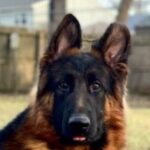
German shepherds are widely regarded for their intelligence and willingness to be helpful, making them more trainable.
Great Danes, in comparison, tend to be stubborn, making them slightly more independent, which means their training has to be more consistent and patient.
What a sight! Great Danes are something special! Here are some of the facts of your concern:
Life span
Generally, Great Danes have an average life expectancy of between seven and ten years, although some are reported to live to twelve years.
Common Health Problems
Most Great Danes experience numerous health complications because of their size, including:
Gastric Dilatation Volvulus (Bloat): This is a serious condition whereby the stomach rotates.
Hip Dysplasia: An ailment that affects healthy joints.
Cardiomyopathy: This refers to heart failure.
Osteosarcoma: Known as bone malignancy.
Hypothyroidism: A disease that affects the thyroid.
Tricuspid Valve Disease: A disease that affects the heart valve.
Water and Other Dogs
Water: Great Danes generally do not like water and will make every effort to remain dry. That said, others can be trained to love it.
Other Dogs: They are normally affectionate big babies and do well with other dogs, especially if they were socialized when young.
Intelligence Comparison
German shepherds boast high intelligence and a strong drive to work, making them easy to train.
Great Danes, however, may prove to be a little bit more challenging as they tend to be more stubborn and independent. Therefore, the trainers will have to be consistent and patient with them.
Great Danes have such a majestic appearance.
Let me answer your questions:
Great Danes typically live between 7 to 10 years, with some living as long as 12.
Health Issues
Because of their massive size, Great Danes are susceptible to various health problems.
These include:
Saturation (Gastric Torsion): It is a fatal illness where the stomach twists.
Hip Dysplasia: This is a common problem that affects many joints.
Cardiomyopathy: It is a type of disease that affects the heart.
Osteosarcoma: It is a type of bone cancer.
Hypothyroidism: It is a disorder related to the thyroid gland.
Tricuspid Valve Disease: This is a disorder that concerns heart valves.
Water and Other Dogs
Water: Great Danes usually do not like water and tend to avoid it. But if they are trained well, some might enjoy it.
Other Dogs: They are typically large dogs with a kind heart. They get on well with other dogs, especially after being socialized from a young age.
Intelligence Comparison
German shepherds are among among the most brilliant dogs. They have the zeal to serve, which makes training them very easy.
Great Danes are much more aggressive and solve their problems alone, so teaching them is more time-consuming.


Log in to reply.